
10 min read
It’s already been four months since the last allotment diary and as quite a few of you ask how things are going on the plots, we thought we’d put an update on the site as things slowly begin to take shape…
It’s good to get a bit of a break in the Winter but the thought of keeping three plots going is always there in the back of your mind. Once we reach the end of January the planning has to start or things can soon get away from you.
We keep all our seed sowing times from the previous years, and basically sow at the same time - the planning part does get easier, as does not having to buy so much each year, but it’s still a lot of work to get everything ready for the Spring and Summer.
In a fast, the body tears down its defective parts and then builds anew when eating is resumed.
Manure
Every bed has had at least one lot of manure on, and many had a cover crop on top after that if the manure went on nearer the end of the Summer.
The plot we’re looking after, as we’ve said previously, has very poor soil, so we’d rather get manure on this plot as much as possible, which luckily we’ve managed to do. A few of the beds have had two lots on to try and build up the soil as best we can.
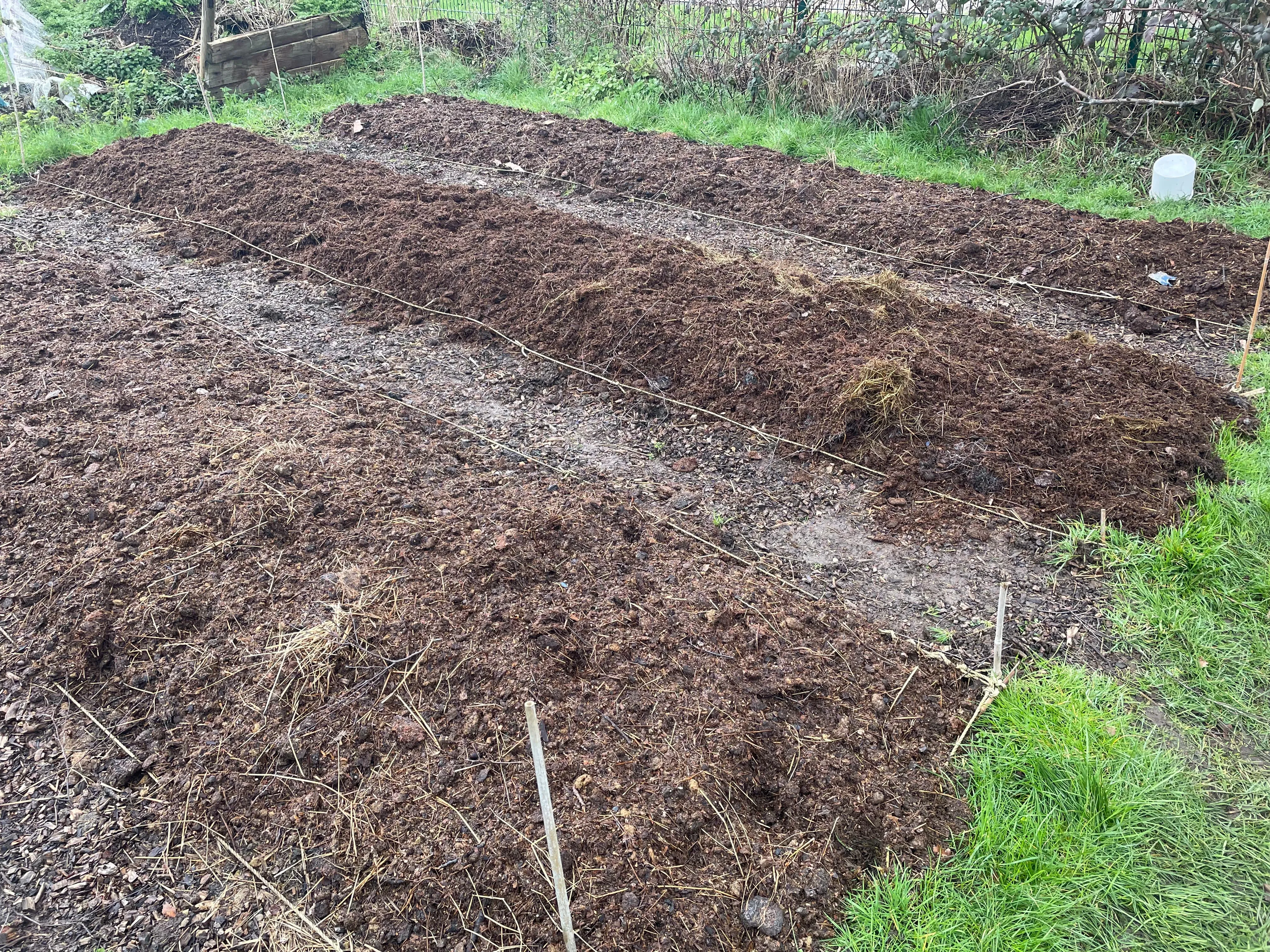
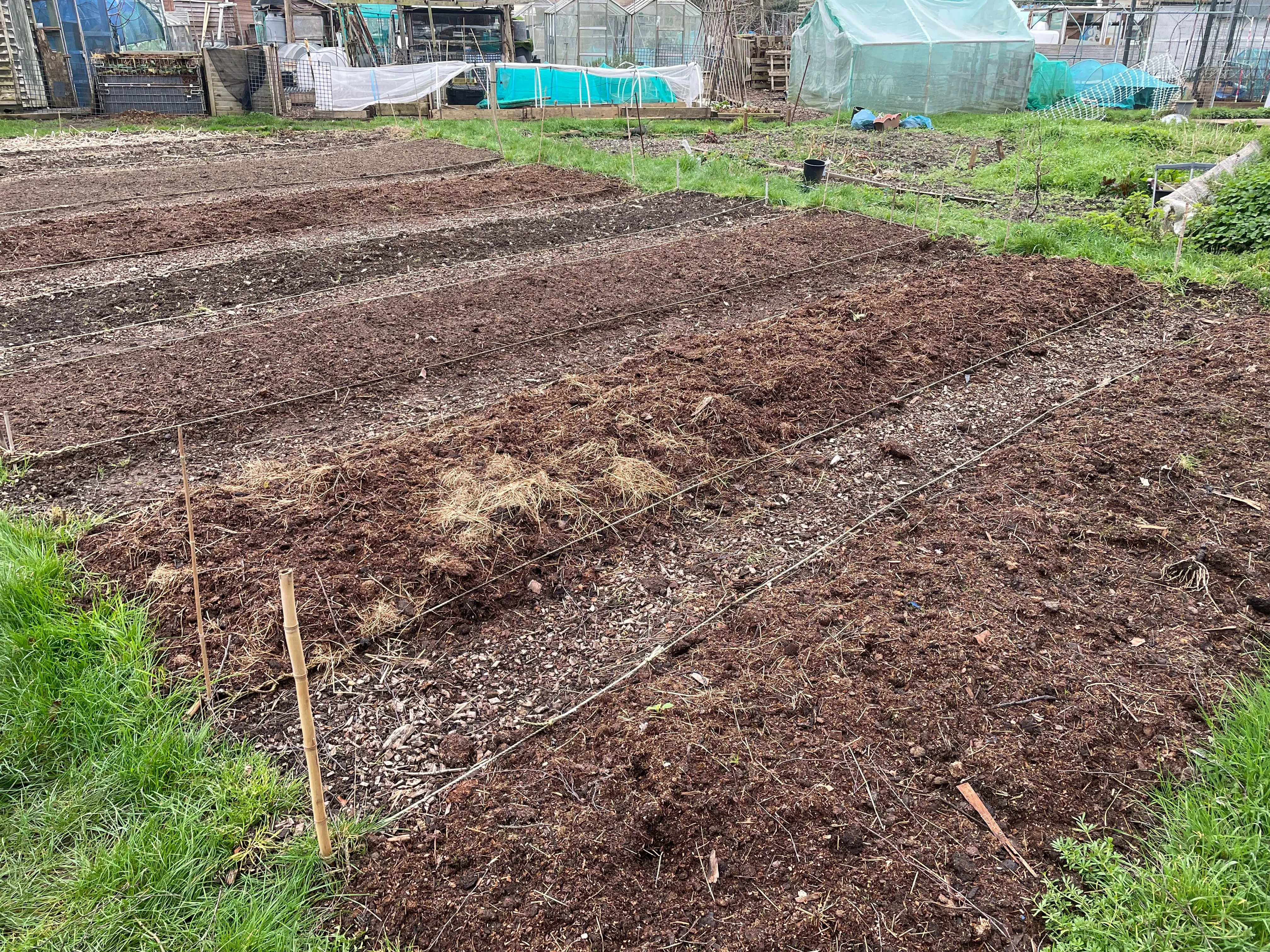
This has been left on top of the soil and will be dug lightly before we plant whatever is going in that bed. We don’t want to dig the manure in too much as we want the worms to be able to get to it and break it down and act as a mulch too.
This plot will be having potatoes, sweetcorn, courgettes, squashes and broad beans in this year (the same as last year), so it’s good to get the manure on early to give it a chance to break down and get into the soil before we plant anything.
Cover Crops
I do enjoy experimenting with these. Some beds were lucky enough to have a couple dug into them last summer and I felt you could see the improvement in the look and feel of the soil, especially where we tried Phacelia and Buckwheat.
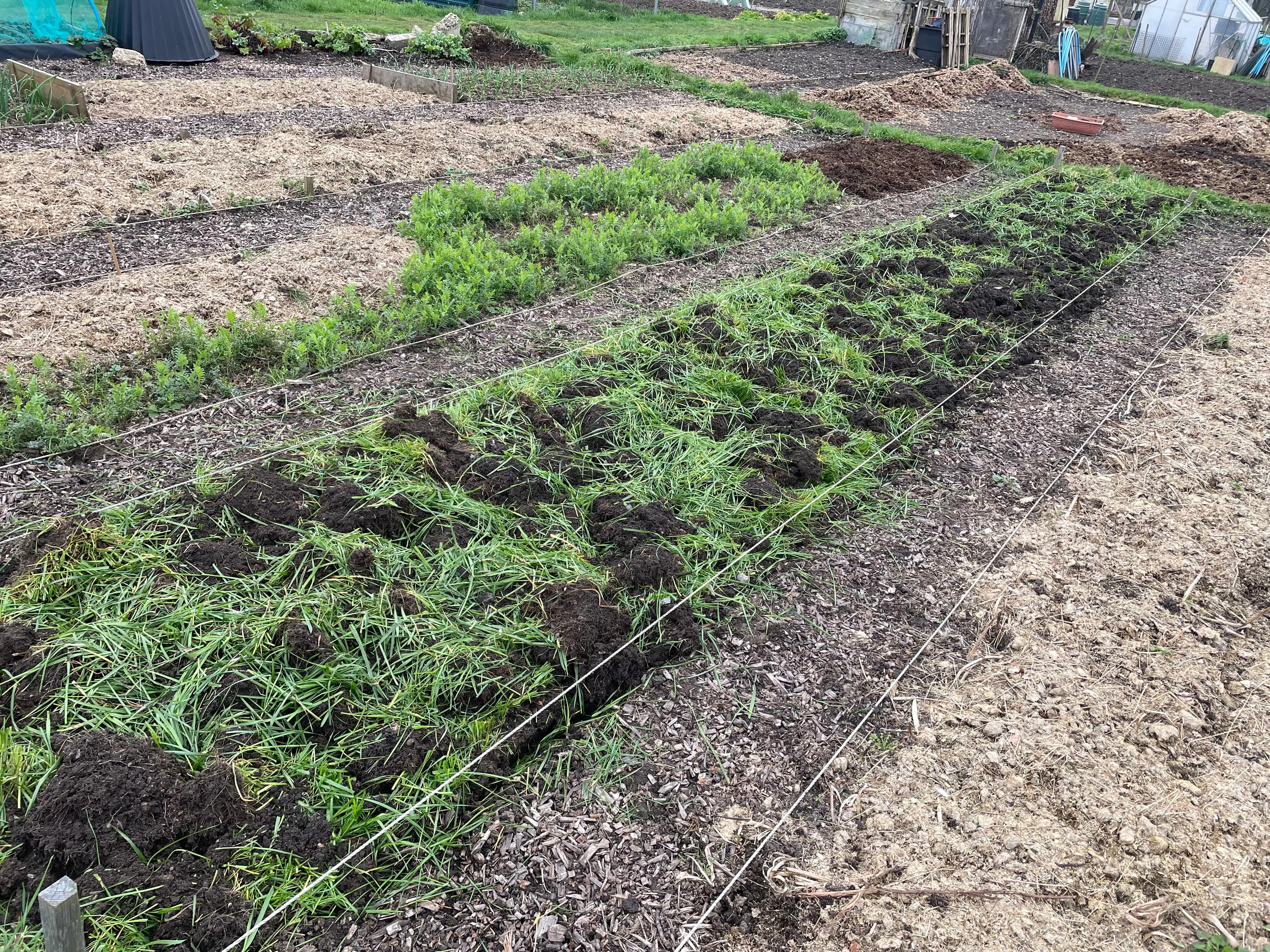
Italian Ryegrass is a good one to do over the winter though, and this went into about three beds. It got a bit unwieldy last year, so we made sure we cut it down sooner. I’m in the process of digging it in every couple of weeks top break it down.
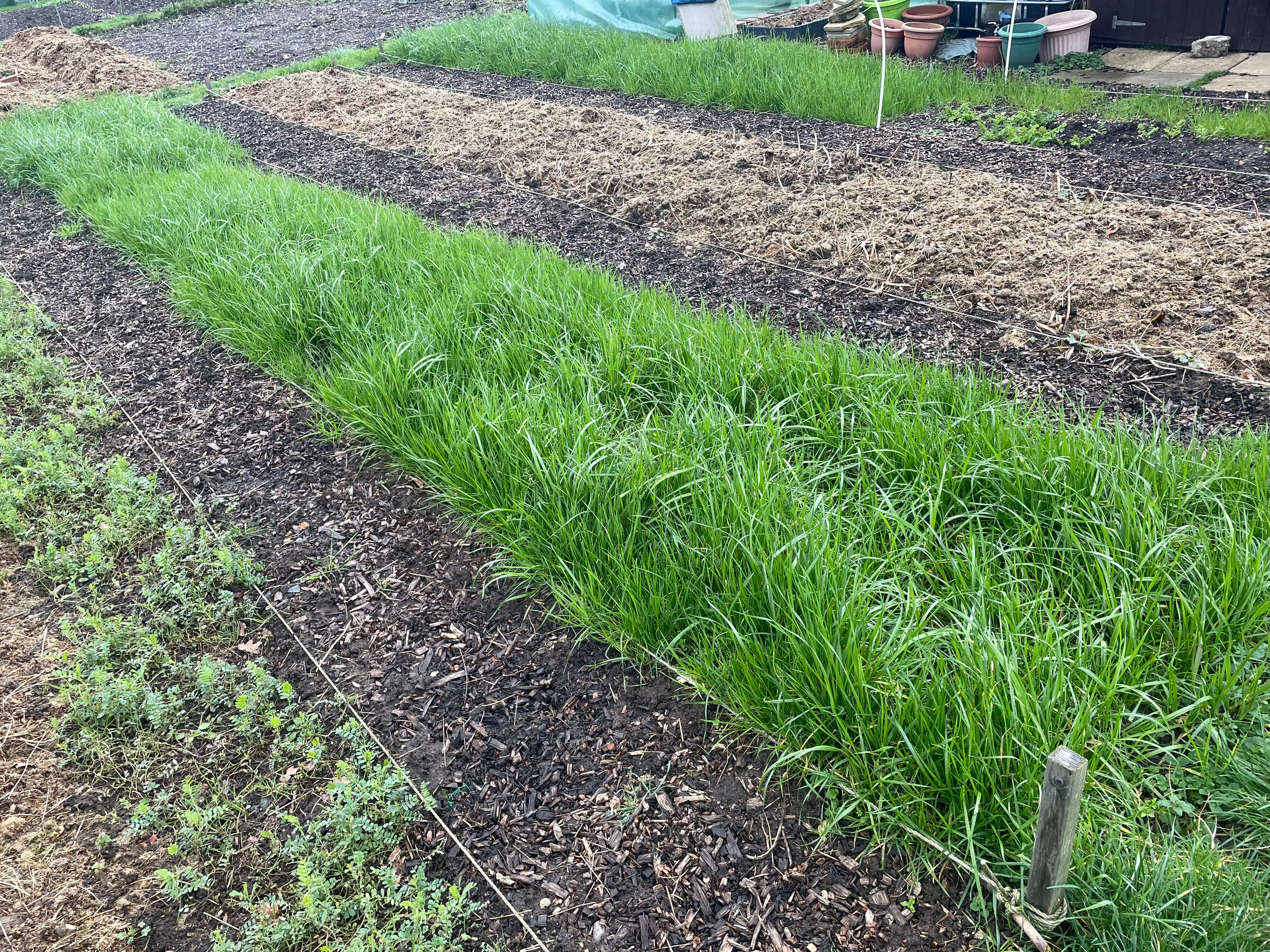
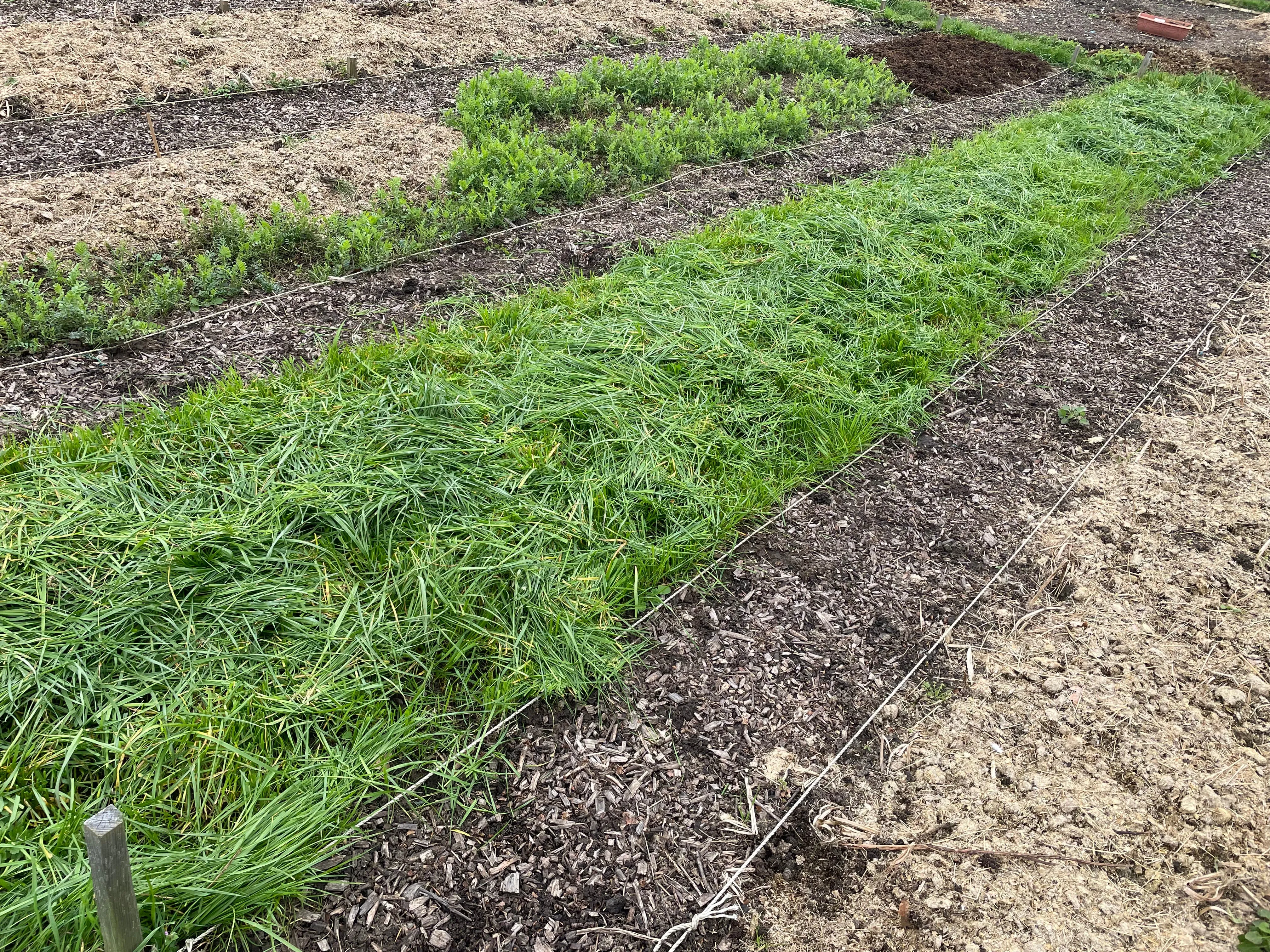
Our brassicas are going in the beds these photos are from, and the grass will need a bit more time spent on it to work it nicely into the soil. This had also had manure on at the end of the summer before sowing the grass into it. It really should be in good shape for our cabbages.
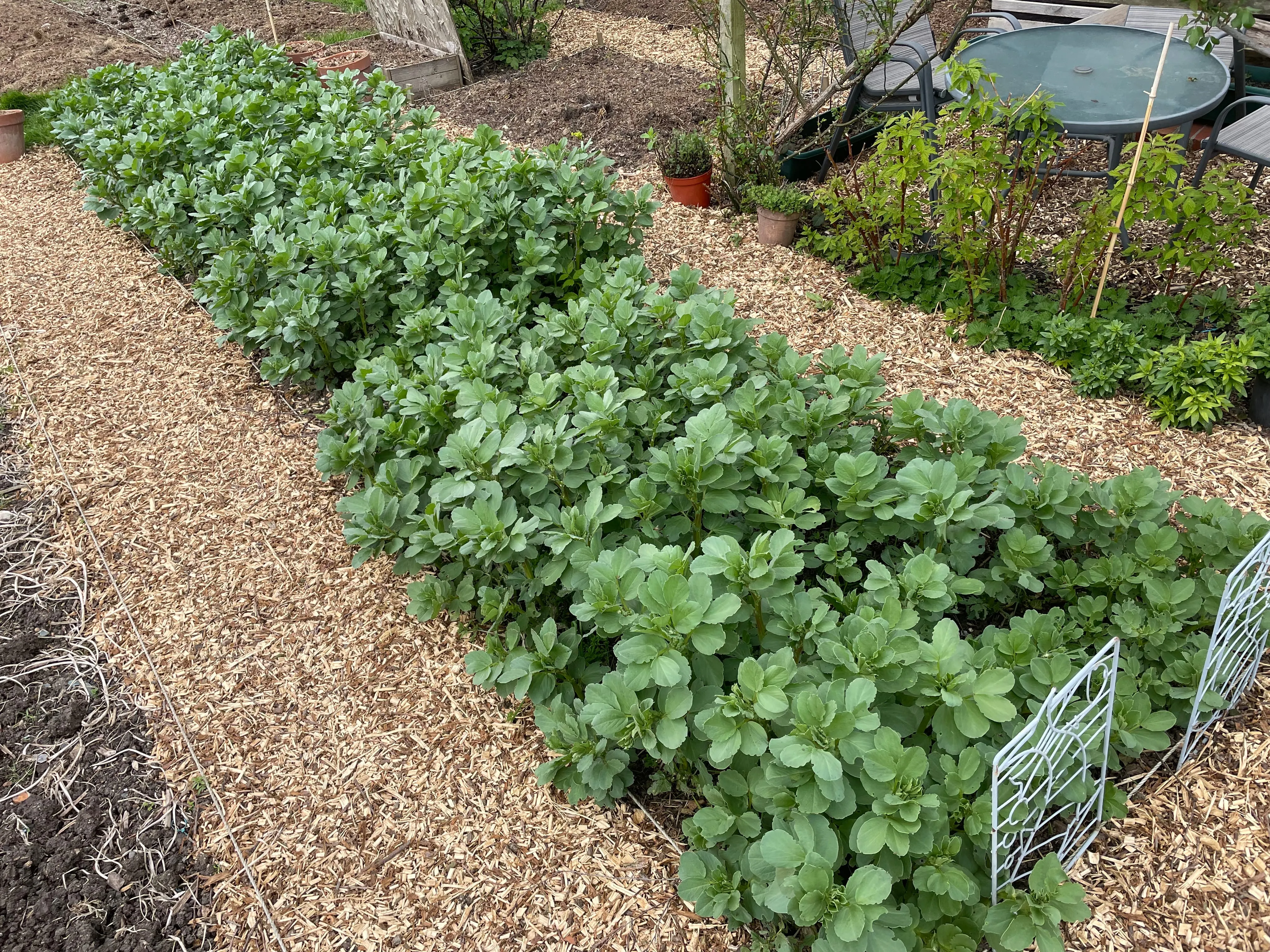
We had good results with field beans last year too so have sown these in a few beds again. They went in the ground about October/November last year and have been quite slow to get going but they’re kicking on now.
One bed of field beans we planted in late Summer had grown to quite a size but got hit with an early frost which killed them, so that was dug in early. We managed to get some nice manure on top of this afterwards. Half of our carrots and parsnips have gone into this bed already!
Deep within the human constitution lie written laws of nature that should guide man in the conduct of his life.
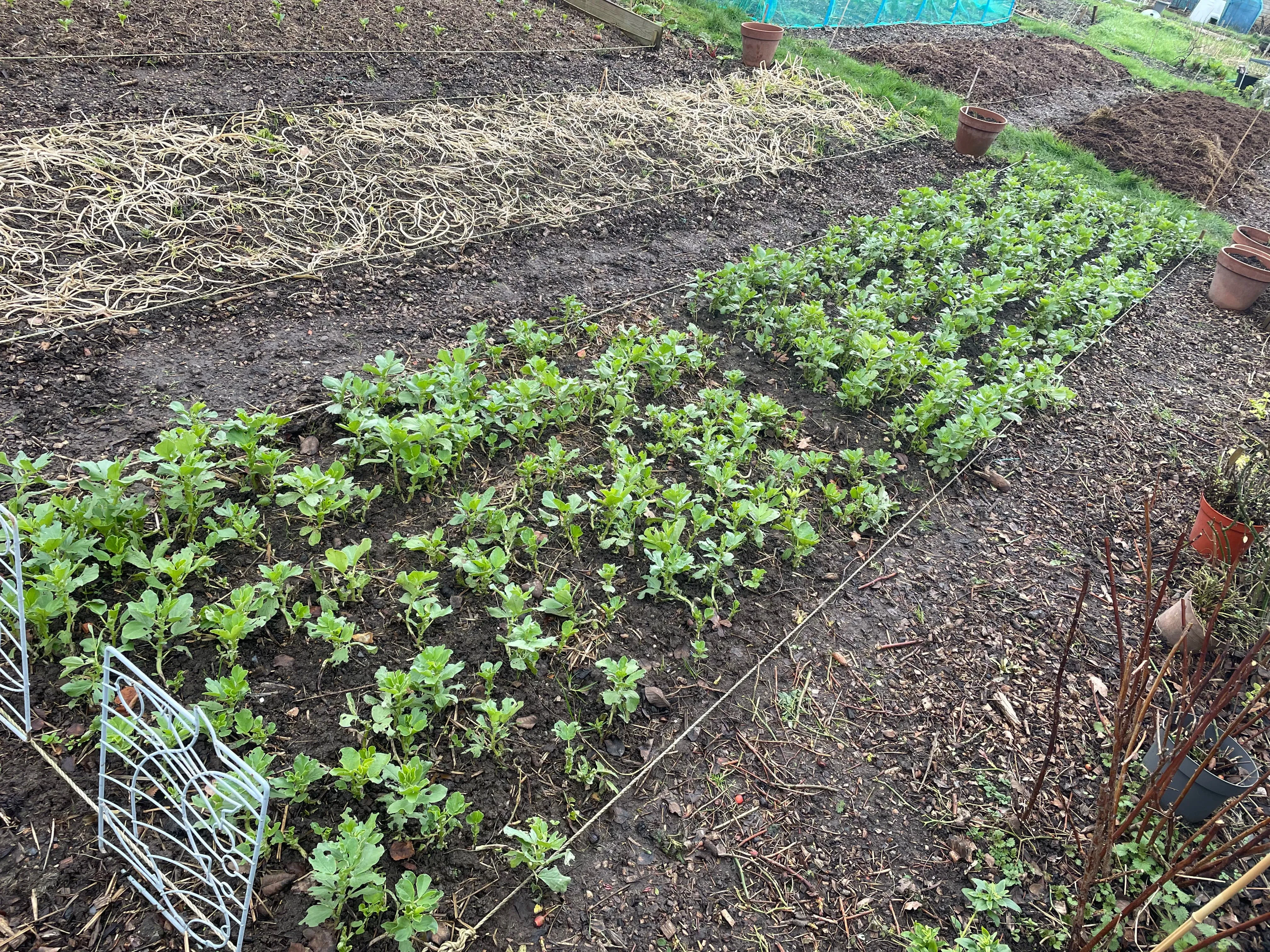
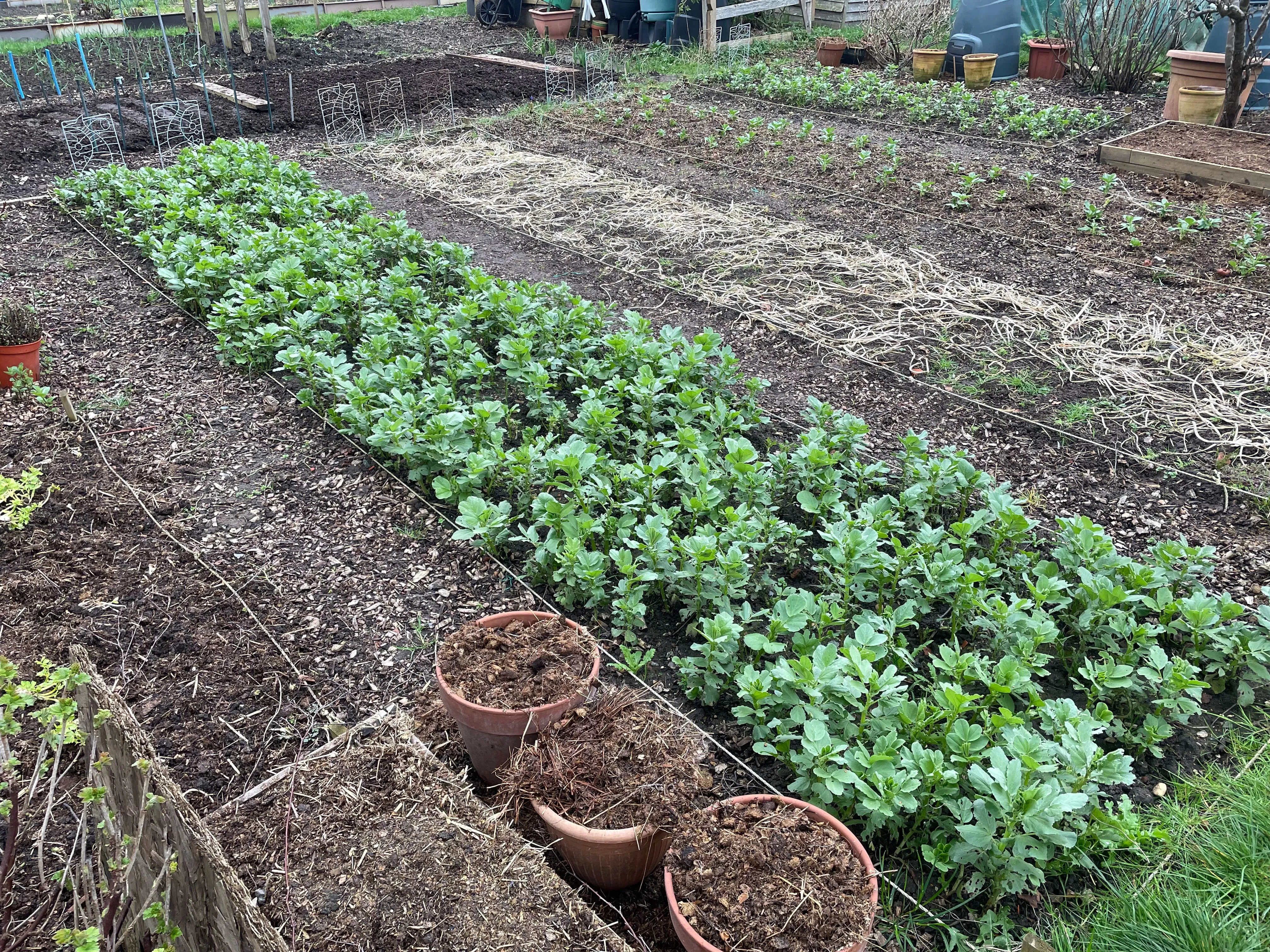
You can see by the pictures how they’ve grown. They’ll be being dug in shortly after Easter to give them time to rot down before late spring. We’ll be putting tomatoes and salads in the field bean beds.
Garlic & Onions
We’ve taken a chance growing half our garlic in the same bed as last year. The bed has had so much manure in it, and the garlic here was so big we felt we could risk it and try it again. Time will tell. This bed had also had an alfalfa cover crop in it too.
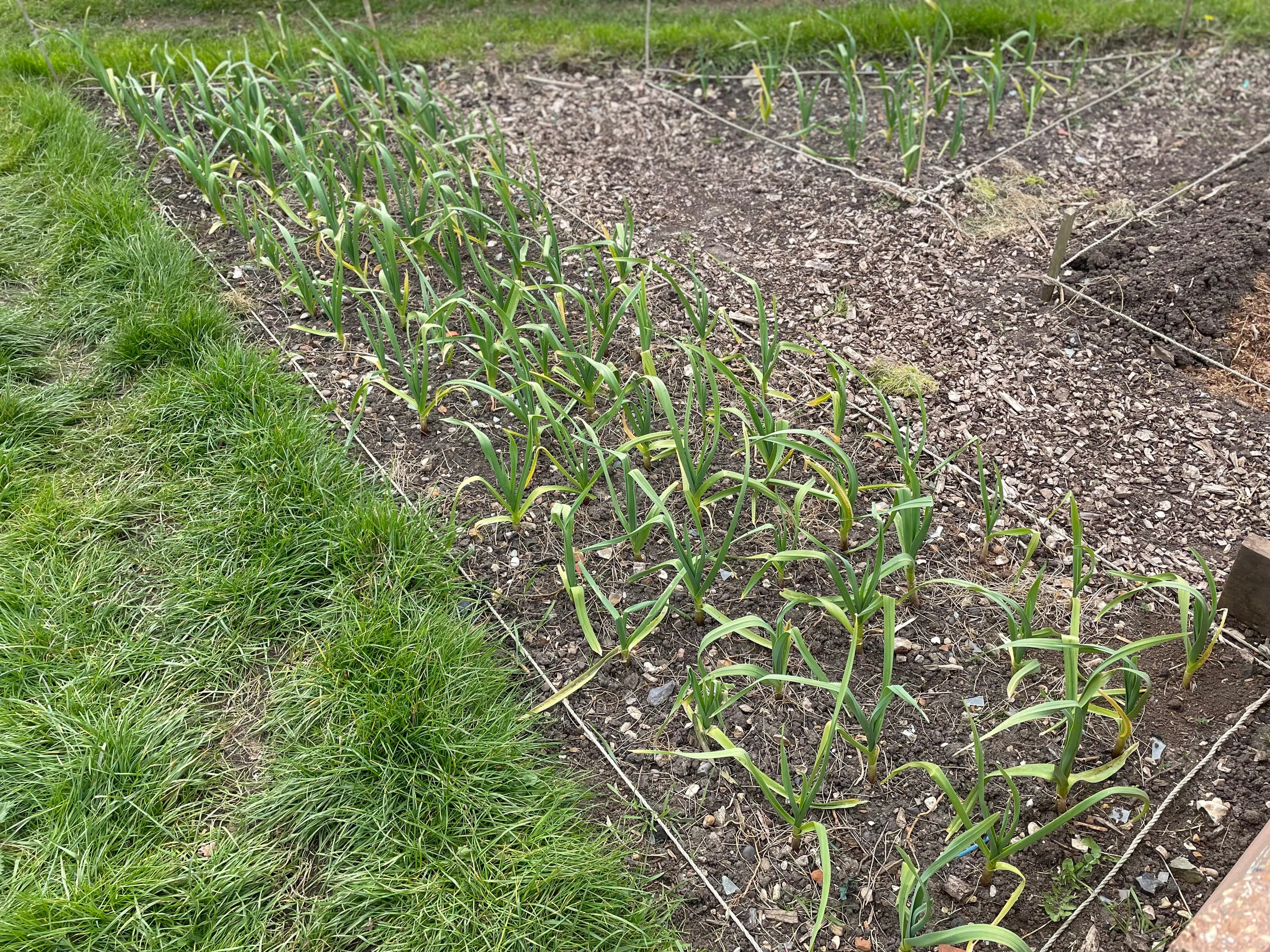
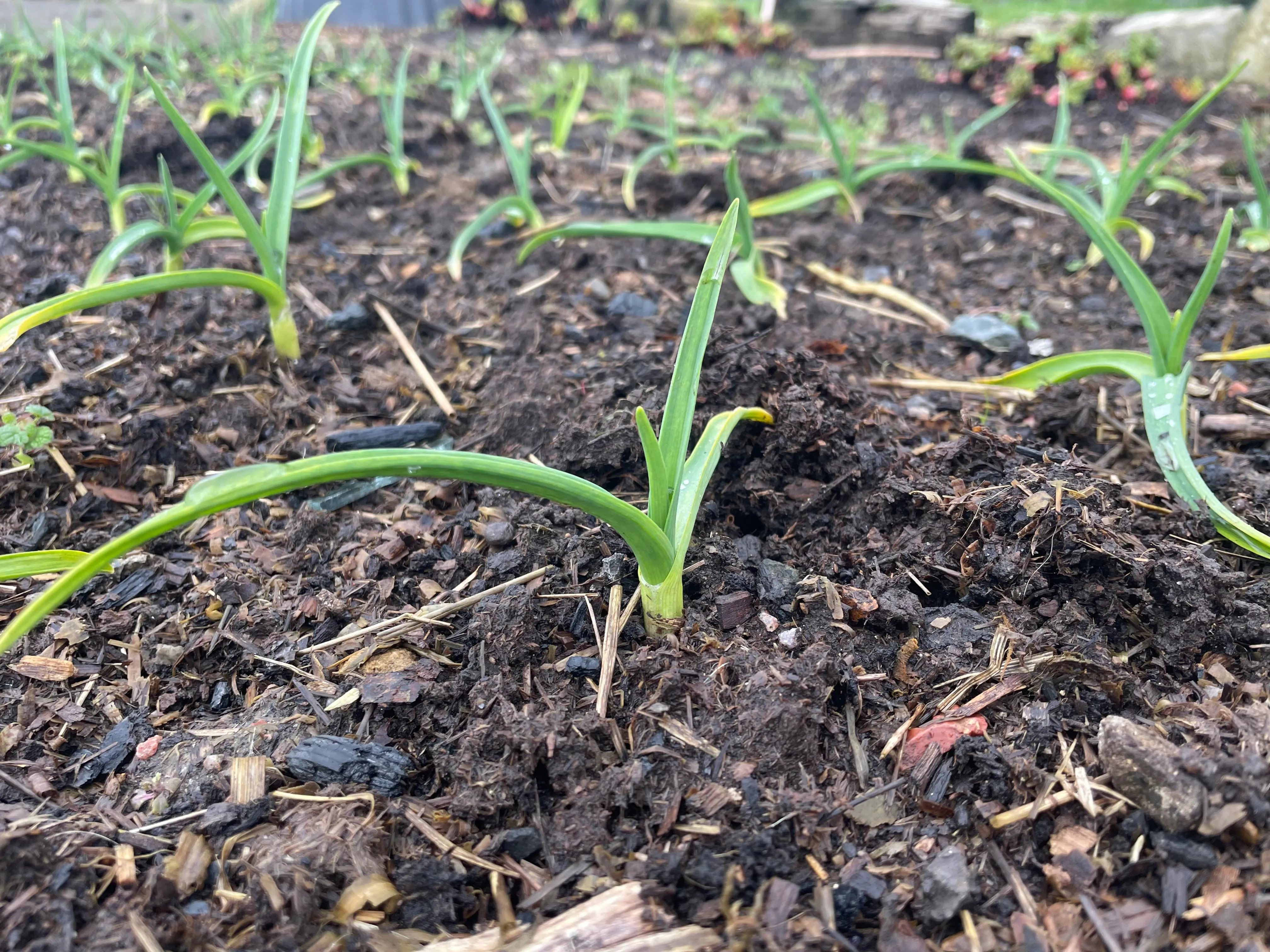
We were pleased with our garlic last year, and we are still eating it now. Everything looks to be doing well at the moment, and with a few months left to go before we harvest it, we are hoping for a good crop again this year.
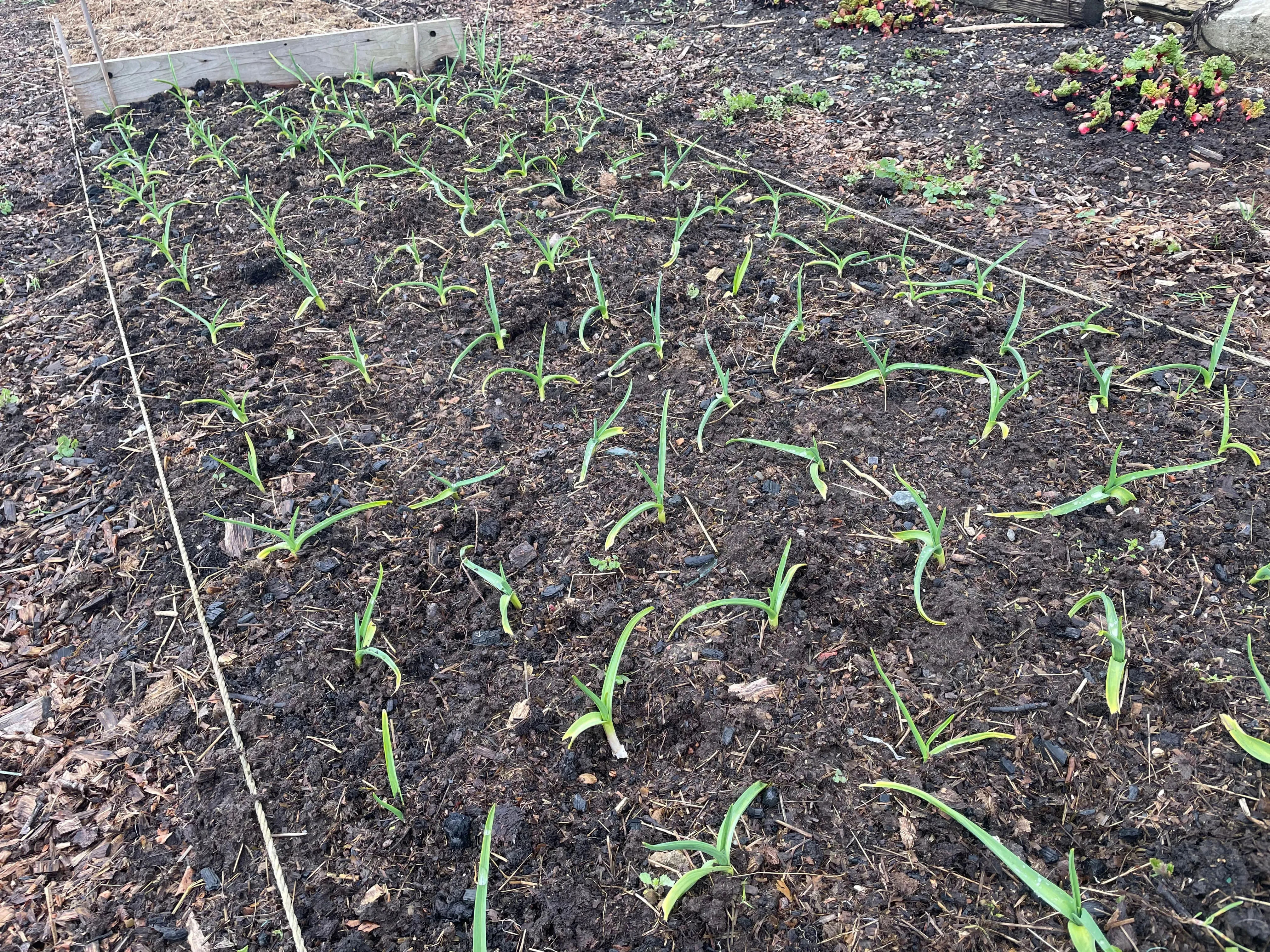
Last year our red onions were very poor, the same as the year before, so we’ve decided not to do them this year. It’s a shame as we eat more red than brown onions but it’s such a waste of time, money and effort when you don’t have good results.
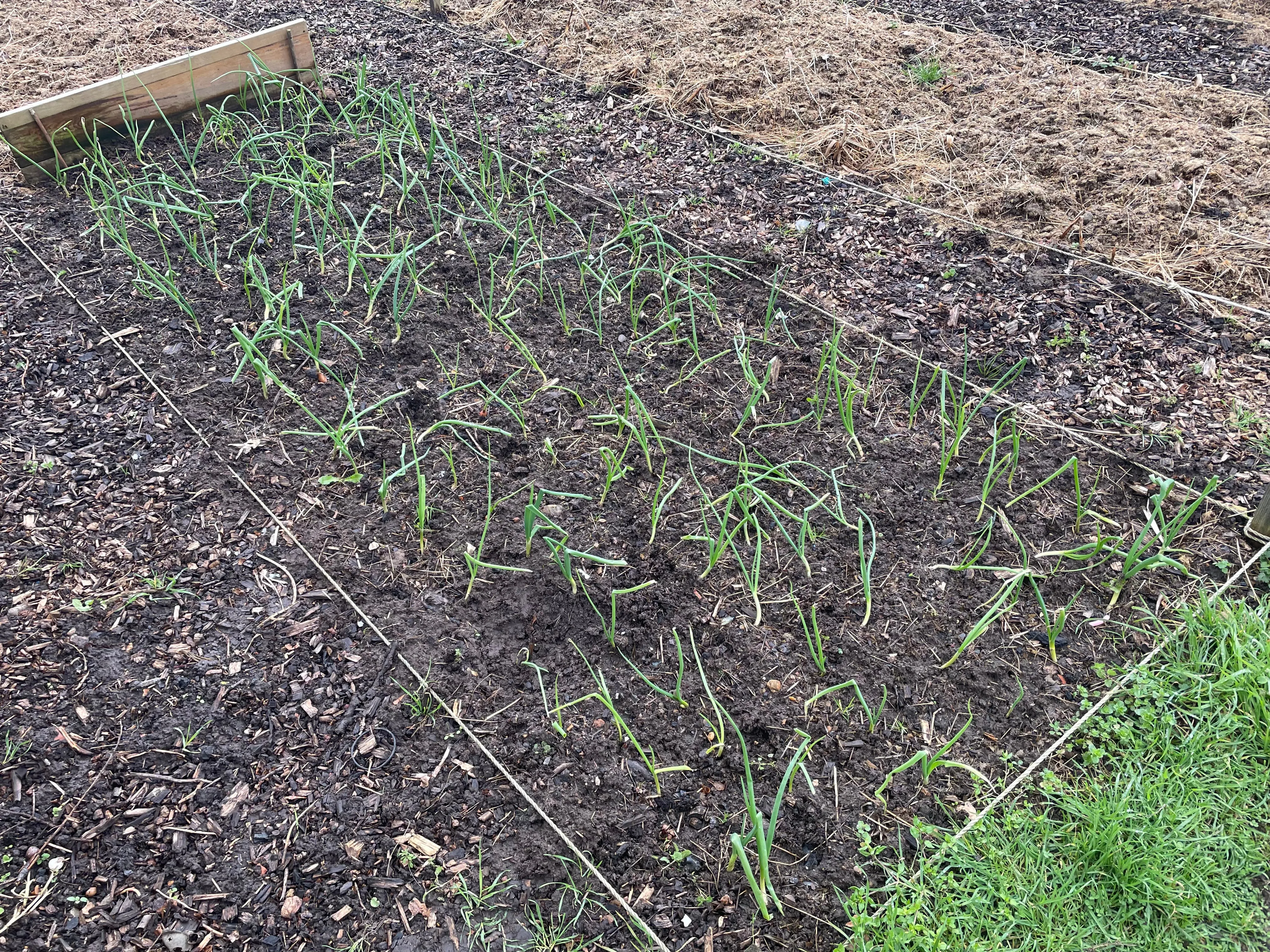
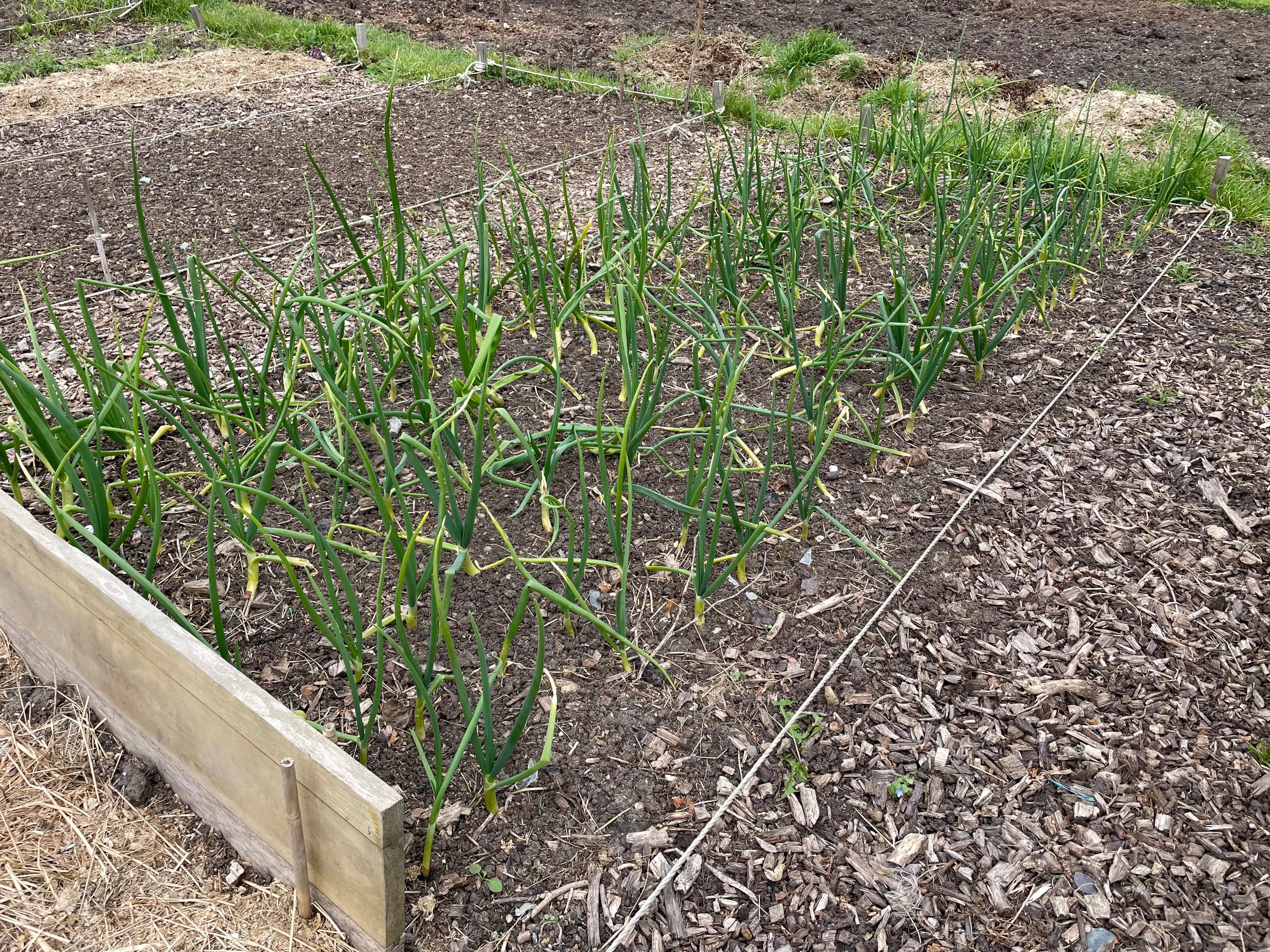
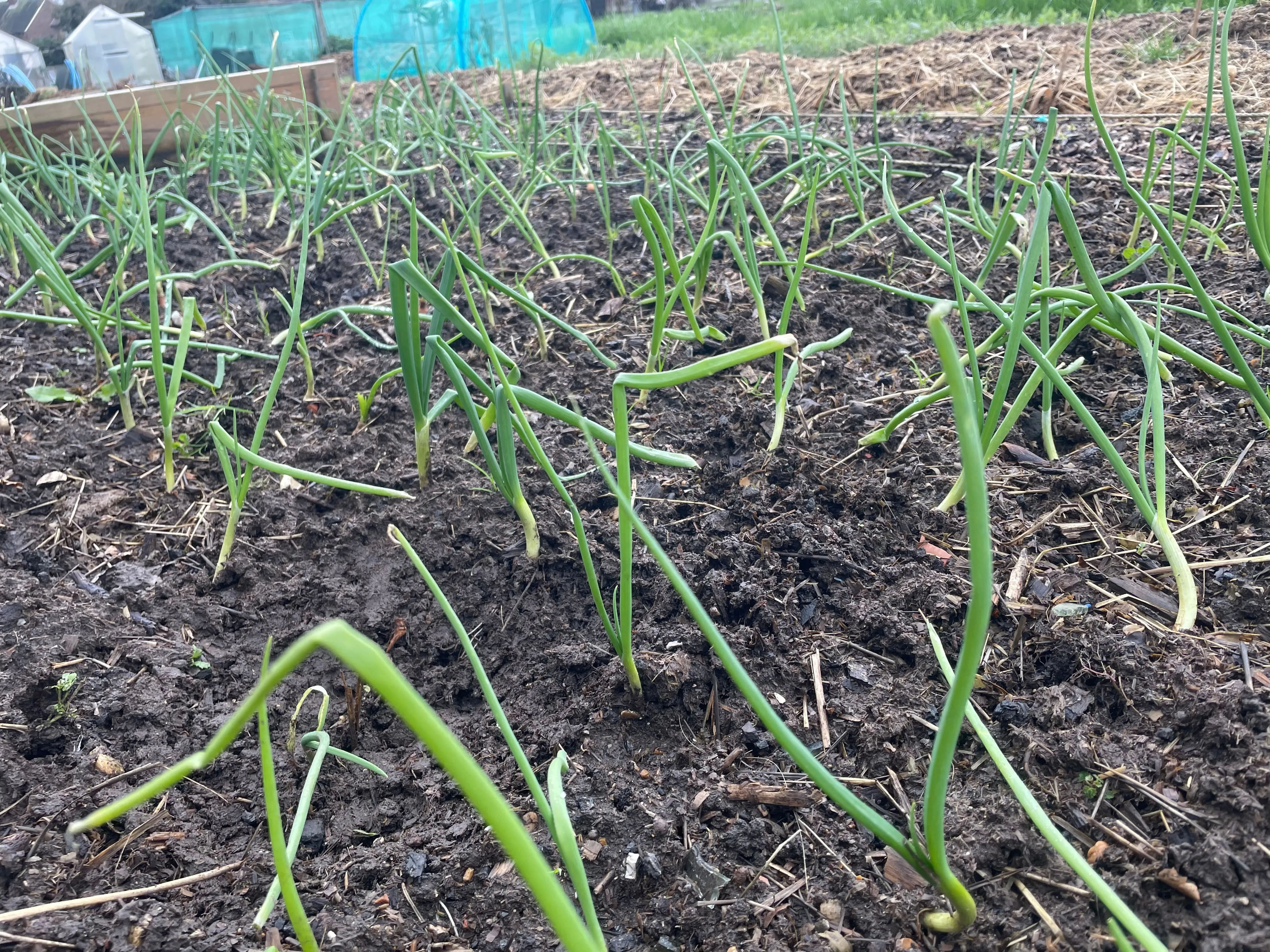
We’ve put in a couple of varieties of brown onions this year, including Shensyu. The whole bed had a good amount of manure on it, and they’ll be joined by our leeks in the next few weeks once they’ve fattened up a bit.
The so-called symptoms of disease are manifestations of an inherent principle of the organism to restore healthy function and to resist offending agents and influences.
Broad Beans
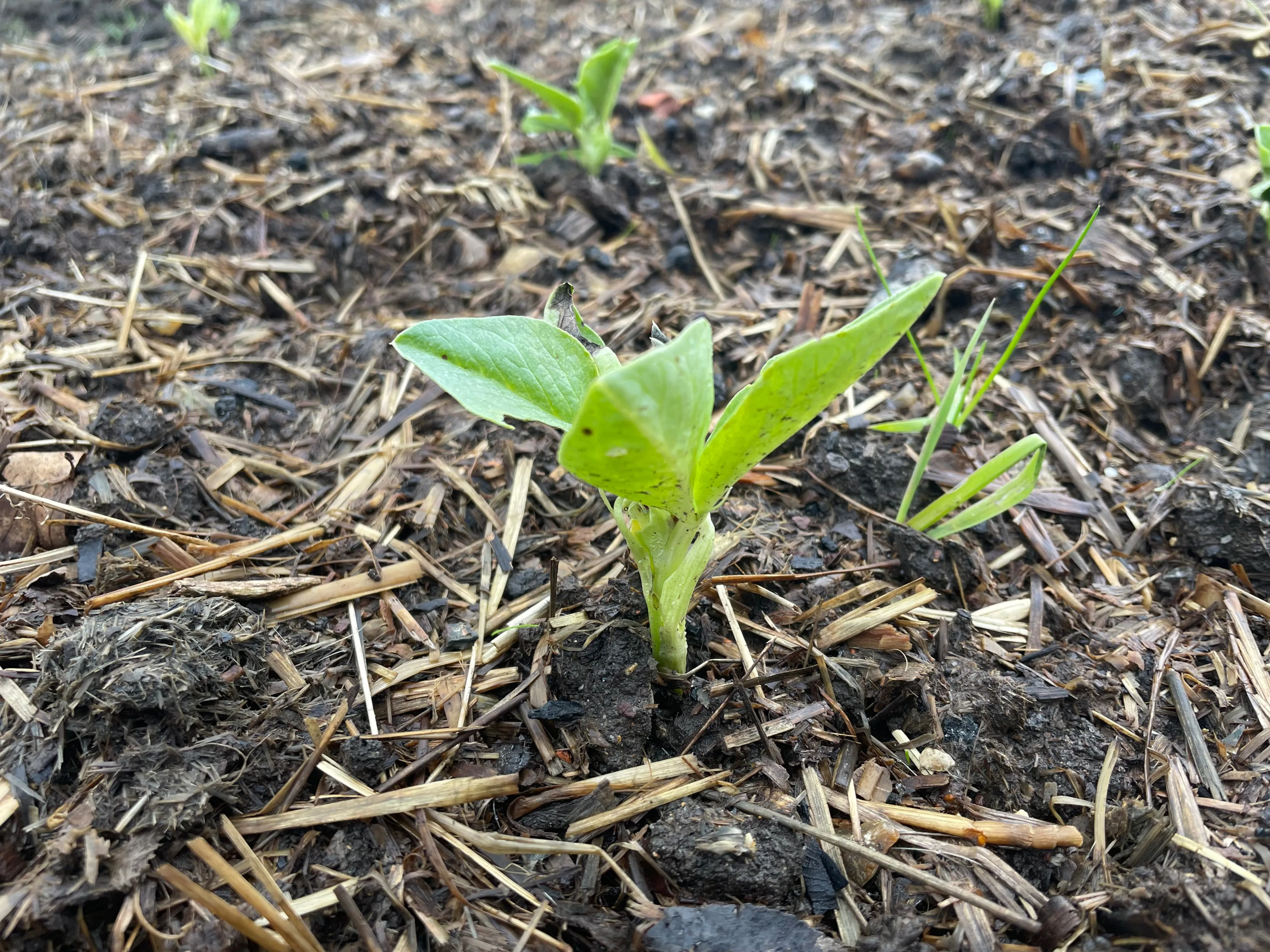
We planted the first lot of these in November, and the second lot in December. They stay in most of the winter and hopefully miss the frosts. If they get too big before the frosts they can die but we timed them well, and they’re going strong at the moment. Hopefully they’ll avoid any late frosts.
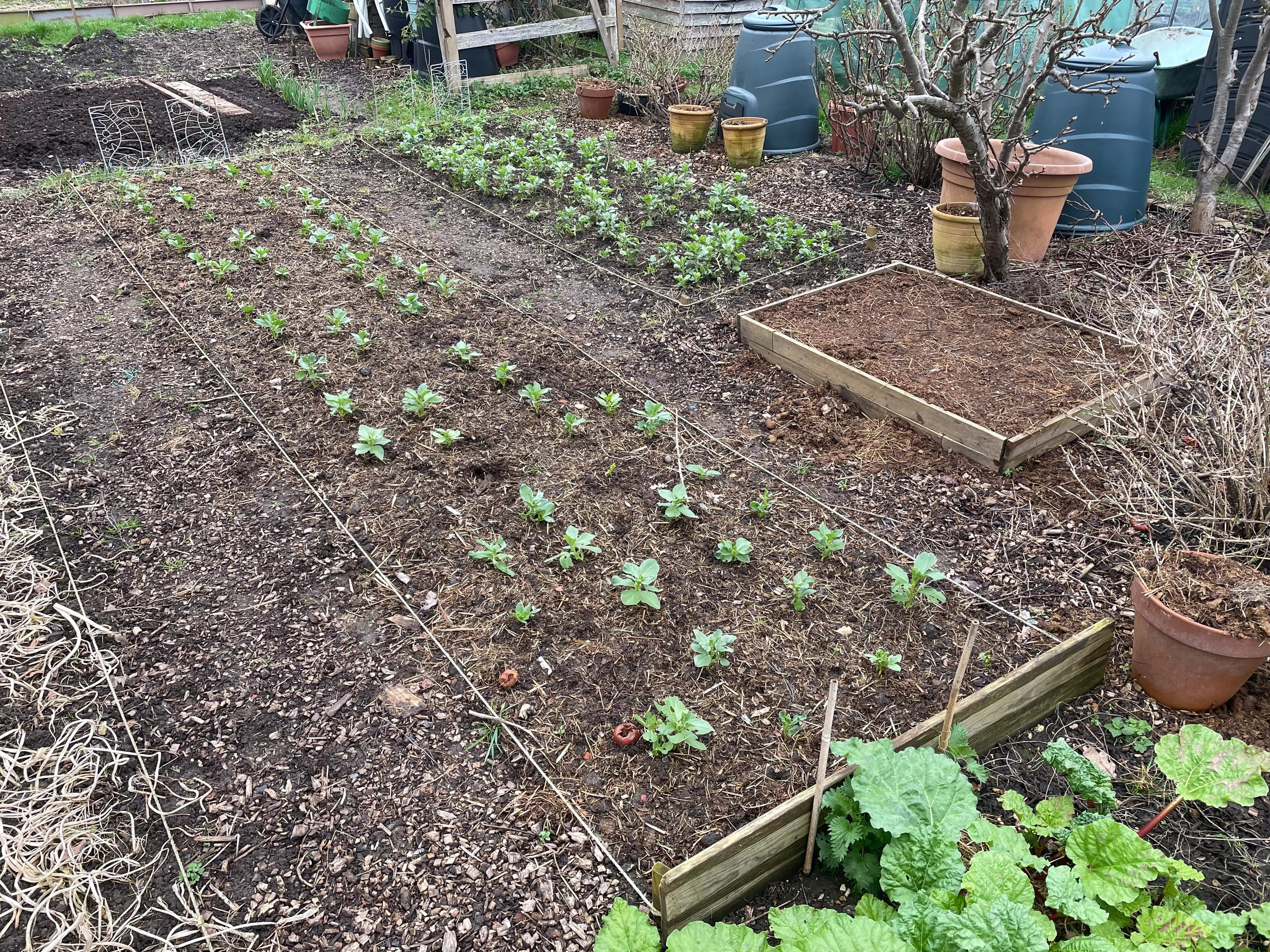
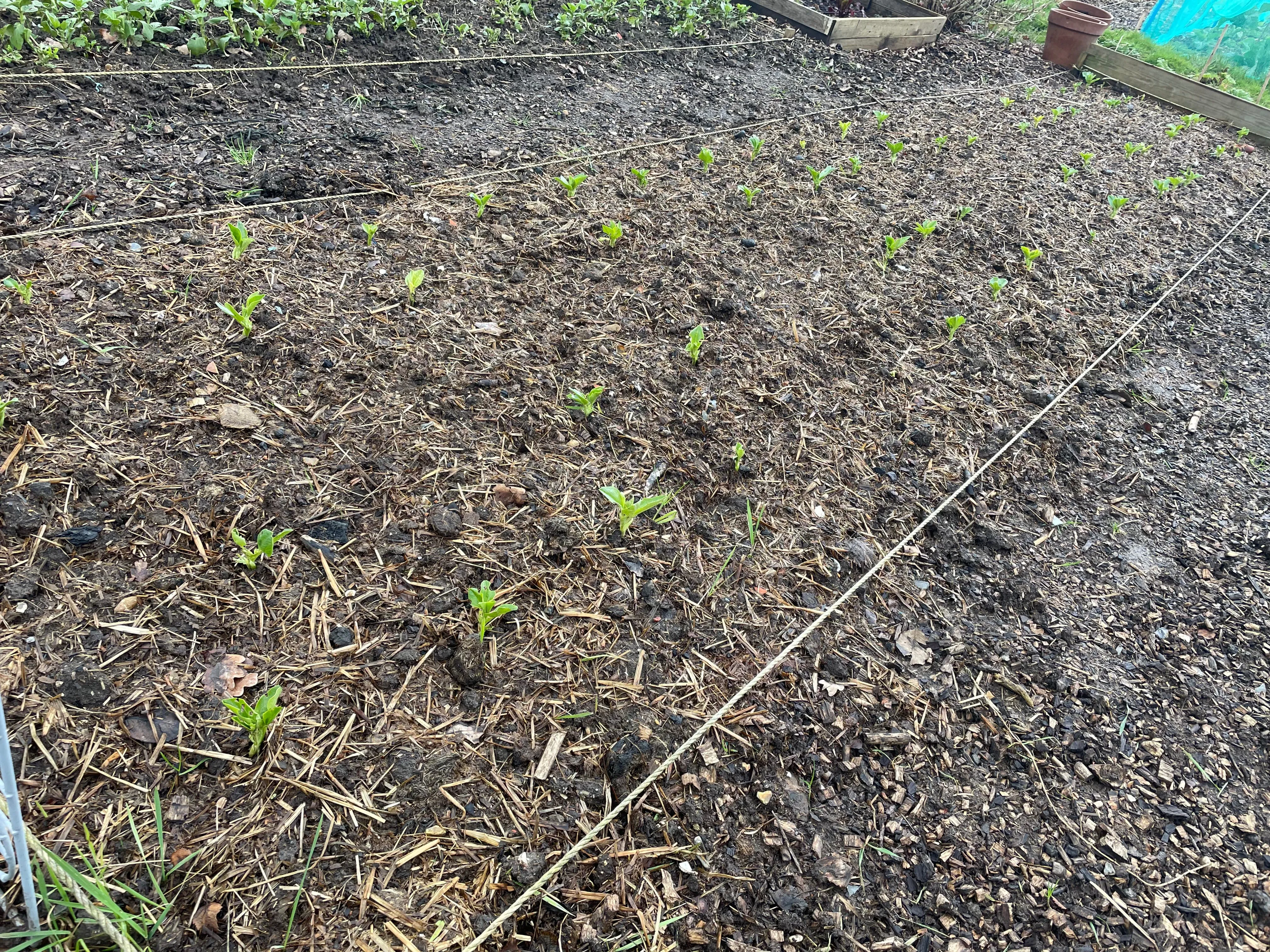
We’ve recently planted in a later variety so we can harvest these at different points of the season. We eat them raw on salads and Vicky likes to make up a couple of recipes with them too. I actually planted in the last double row this morning before I finish writing this.
Potatoes
These have only just gone in. Four full rows of main crop and a smaller bed of Charlotte potatoes. They’re in the plot with the poorer soil. I’m trying to move them around as the previous owner really only grew potatoes here.
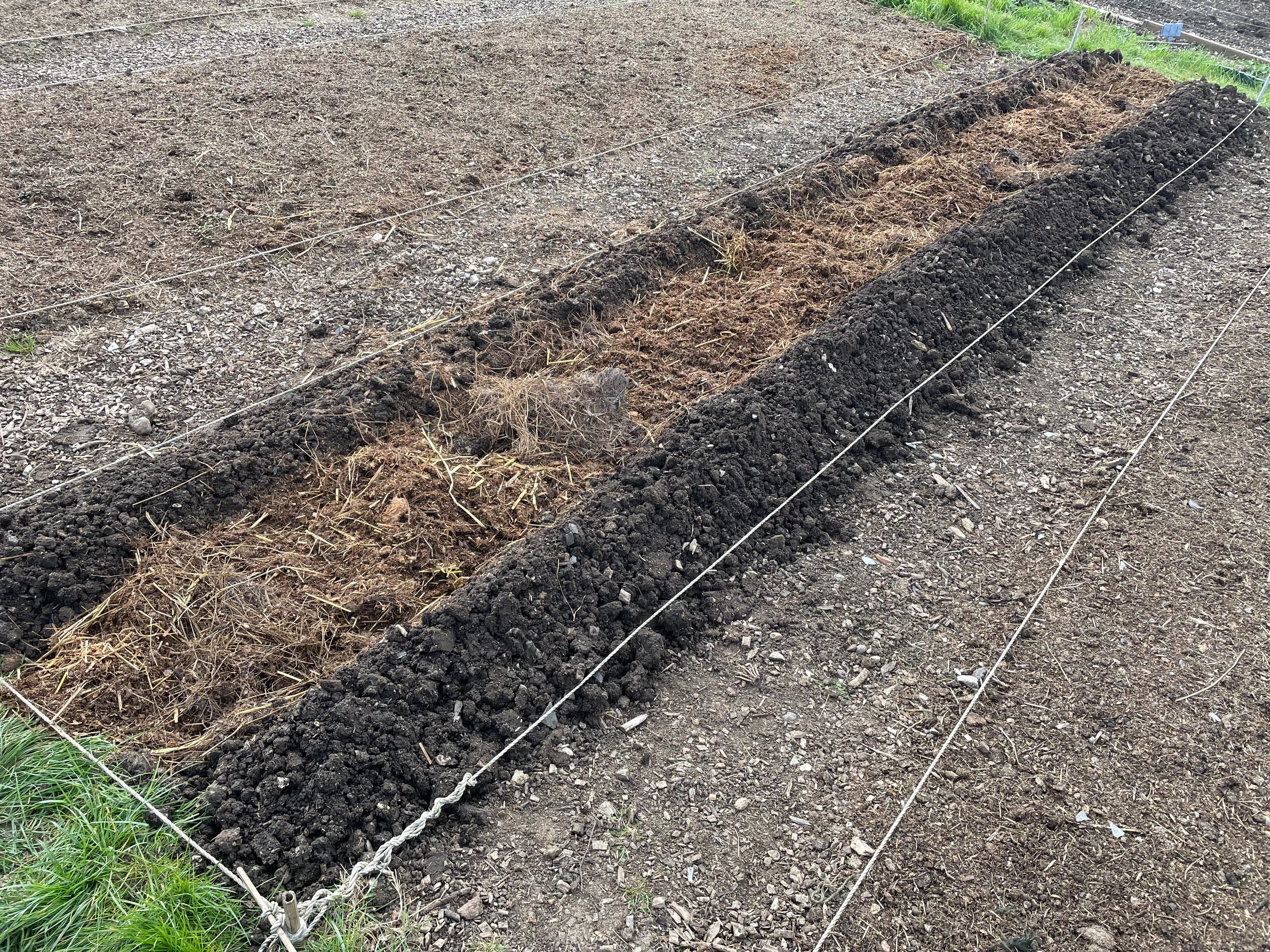
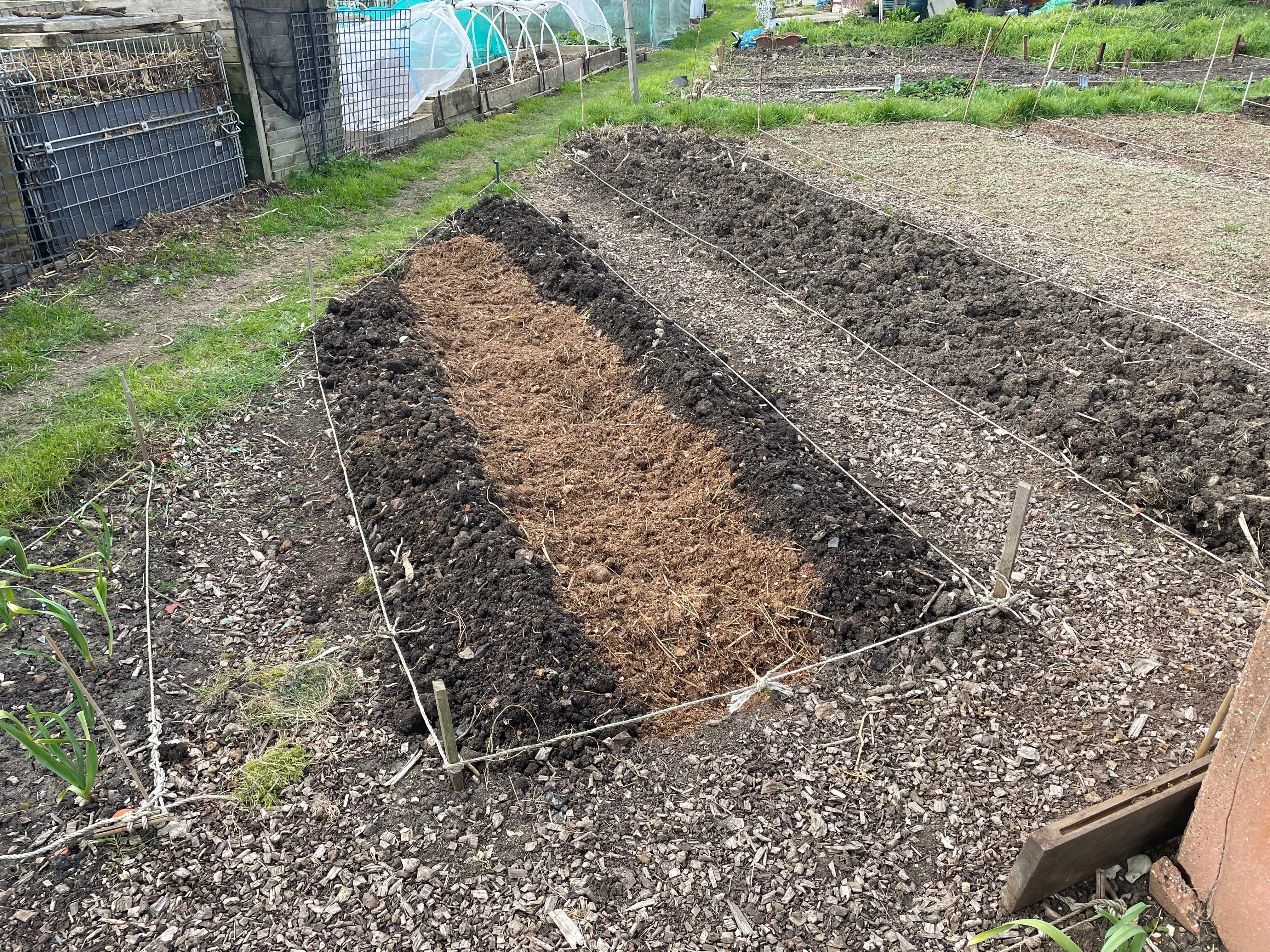
The soil makes it quite hard to get these in but we have a good system now. Once we get them earthed up we put manure between the rows to try and get a bit life into the soil but it’s a work in progress on this plot.
The Charlotte potatoes we eat literally 30 minutes after digging them up and they are delicious! Last years harvest wasn’t the greatest, more in terms of potato size but I have a good feeling about them this year.
Carrots & Parsnips
We had some nice parsnips last year, and we were still actually digging some up in February! Vicky made a parsnip stew with them - it was different… We never seem to do enough of either though, so we’ve dedicated a whole bed to them this year.
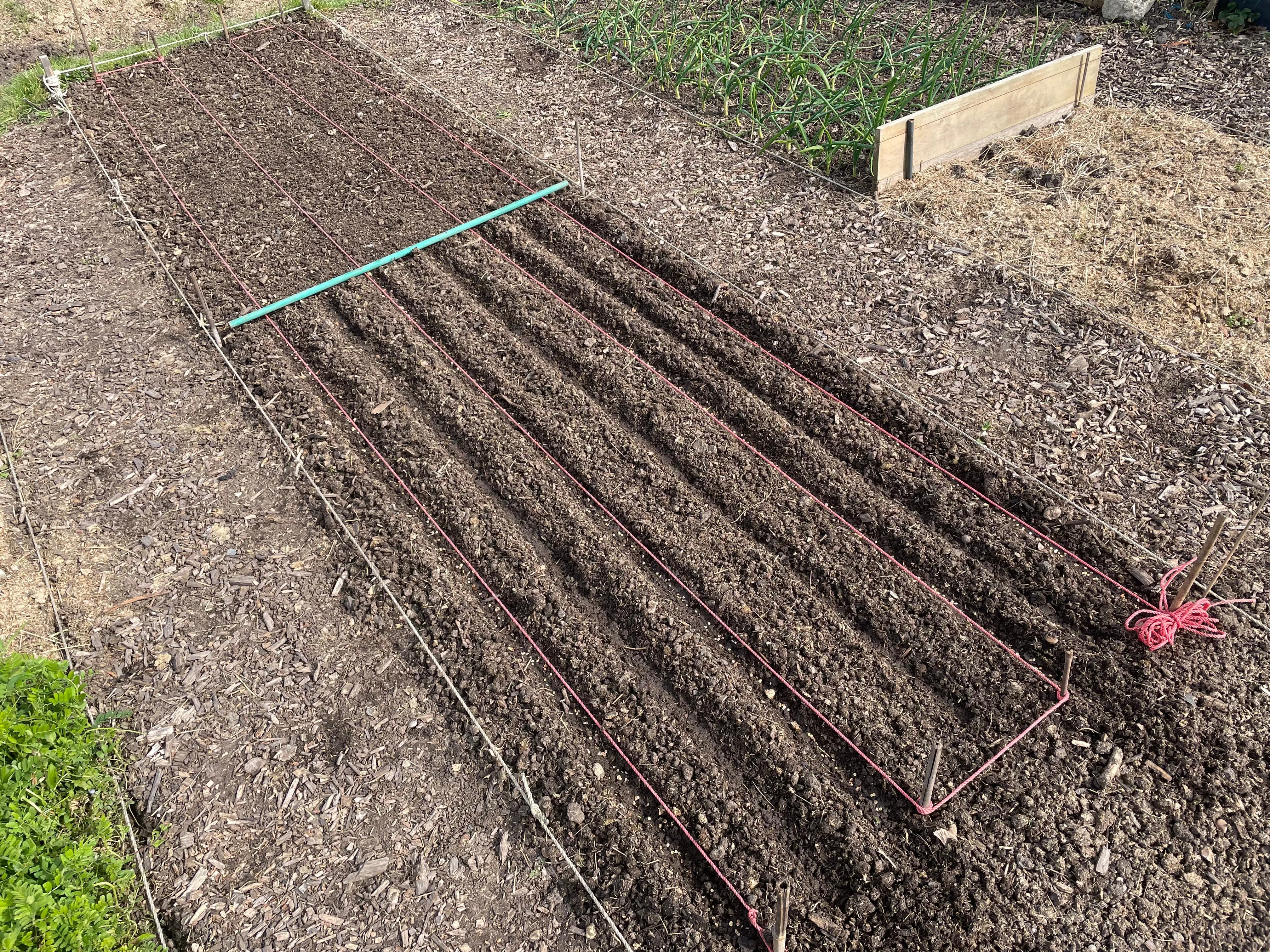
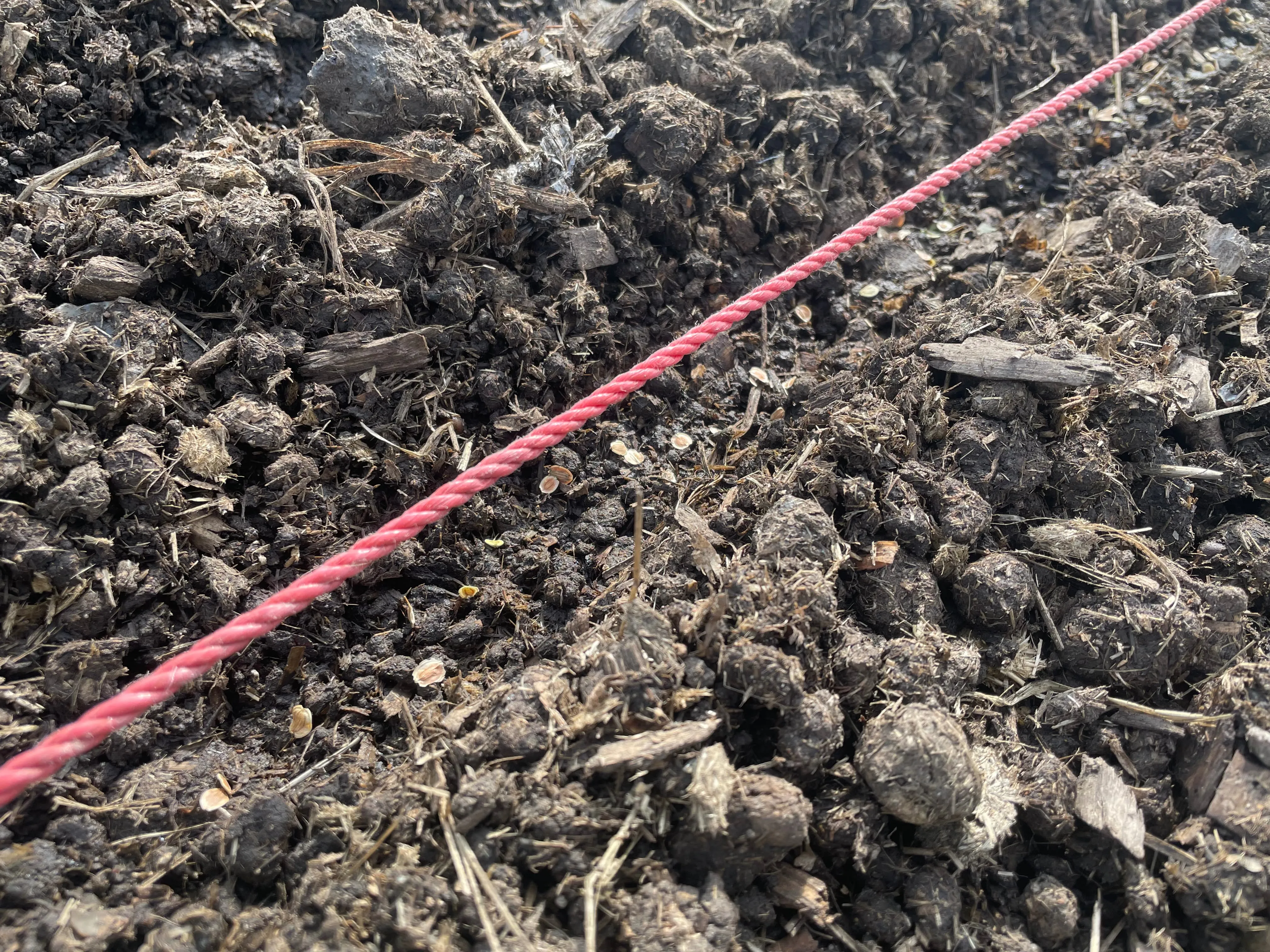
We sowed half a bed of each in March, and will sow the remainder in the other half of the bed around late May. We avoided any carrot fly last year, whether it was the spring onions we planted between them, it’s hard to know, we just didn’t sow enough. Hopefully we’ve remedied that this year though.
You are free to choose your own way of life, but you are not free to choose the results.
Conclusion
It’s been a bit hard to get going on the plots this year. It’s not ideal digging in the rain and getting a bit of sun is a big part of wanting to get down the allotment and get some work done but slowly and surely things are coming together.
We are pretty organised though, and each year it does get easier. We’ve left sowing things like our squashes, courgettes, tomatoes and cucumbers until this week. Each year we have done them later and later as you always get over excited getting things in but they always end up too big before they actually go out. It’s surprising how late you can leave certain plants.
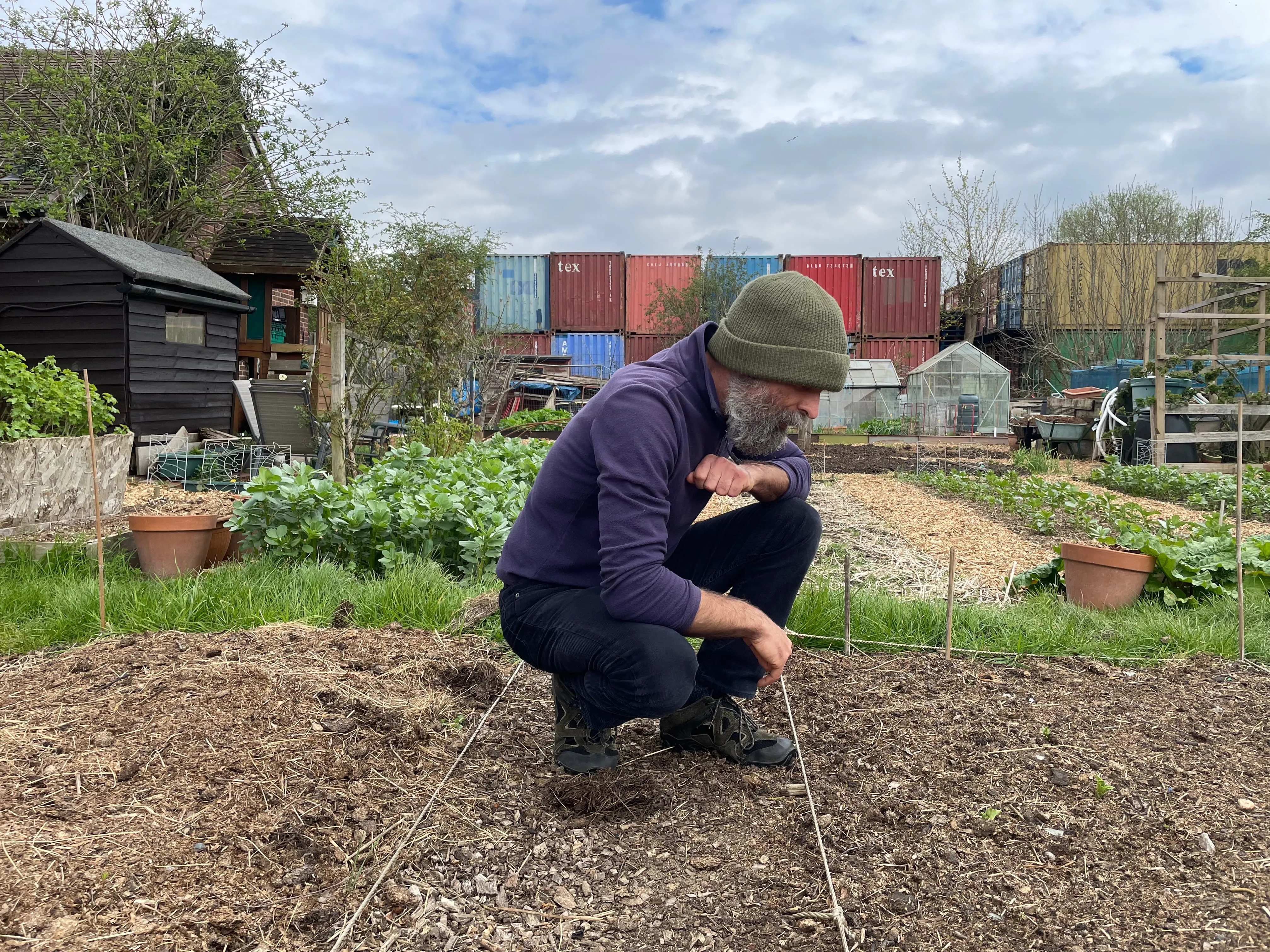
We have also sowed all our other vegetables but have made a better effort to make sure we have a good amount of time between sowing for more staggered harvesting this year.
Cabbages, beetroots, kale, kohlrabi, spinach, sweetcorn, peppers, aubergines, chillies etc are all in various places, windowsills, heated trays, greenhouse and doing well. We never seem to get lettuce right though!
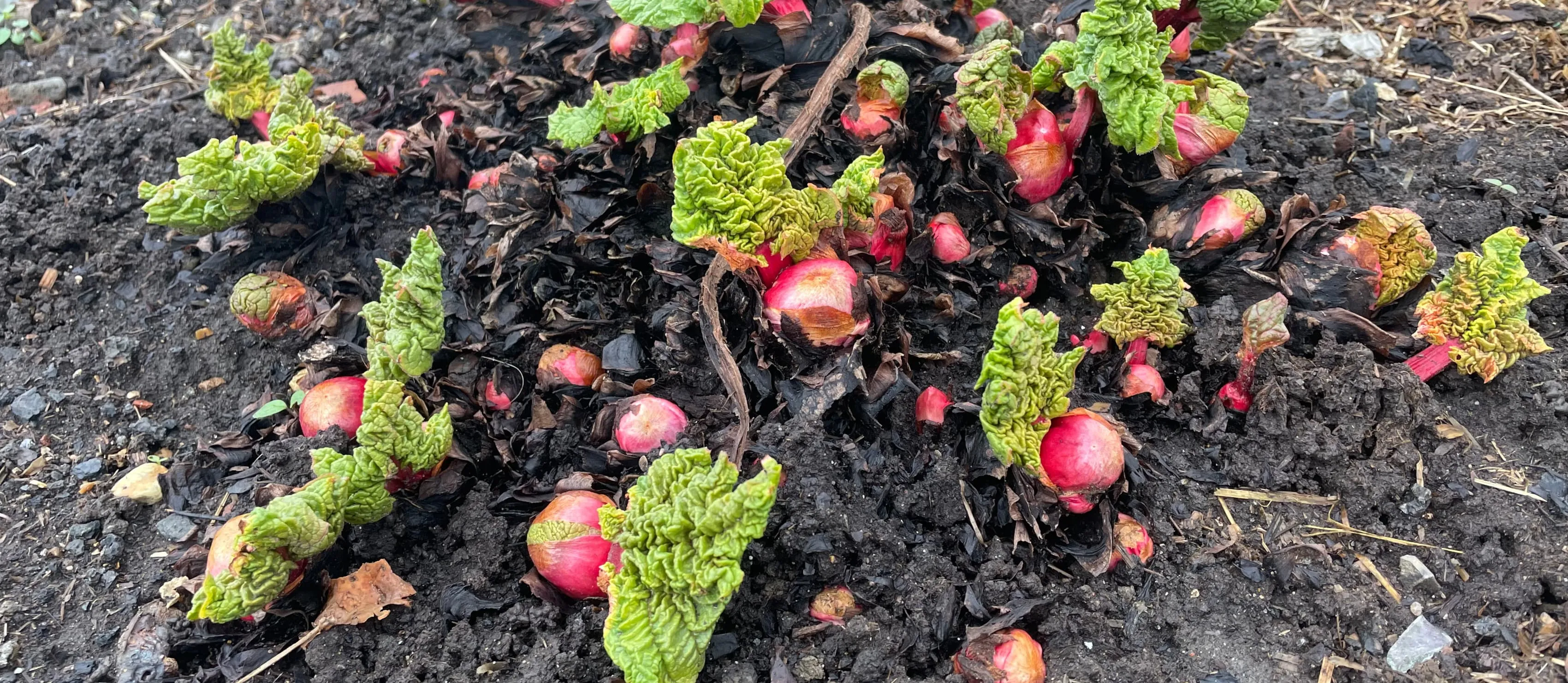
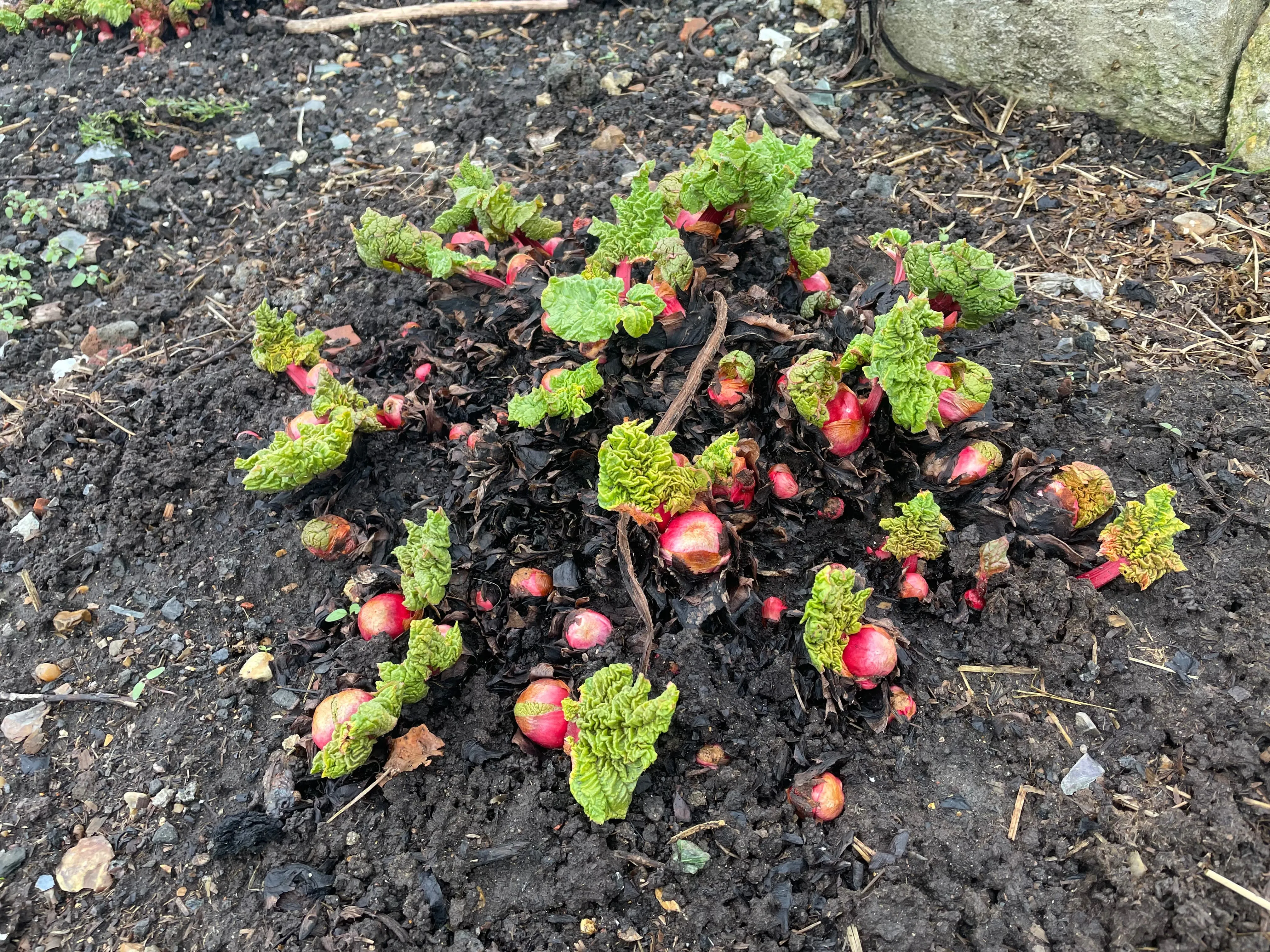
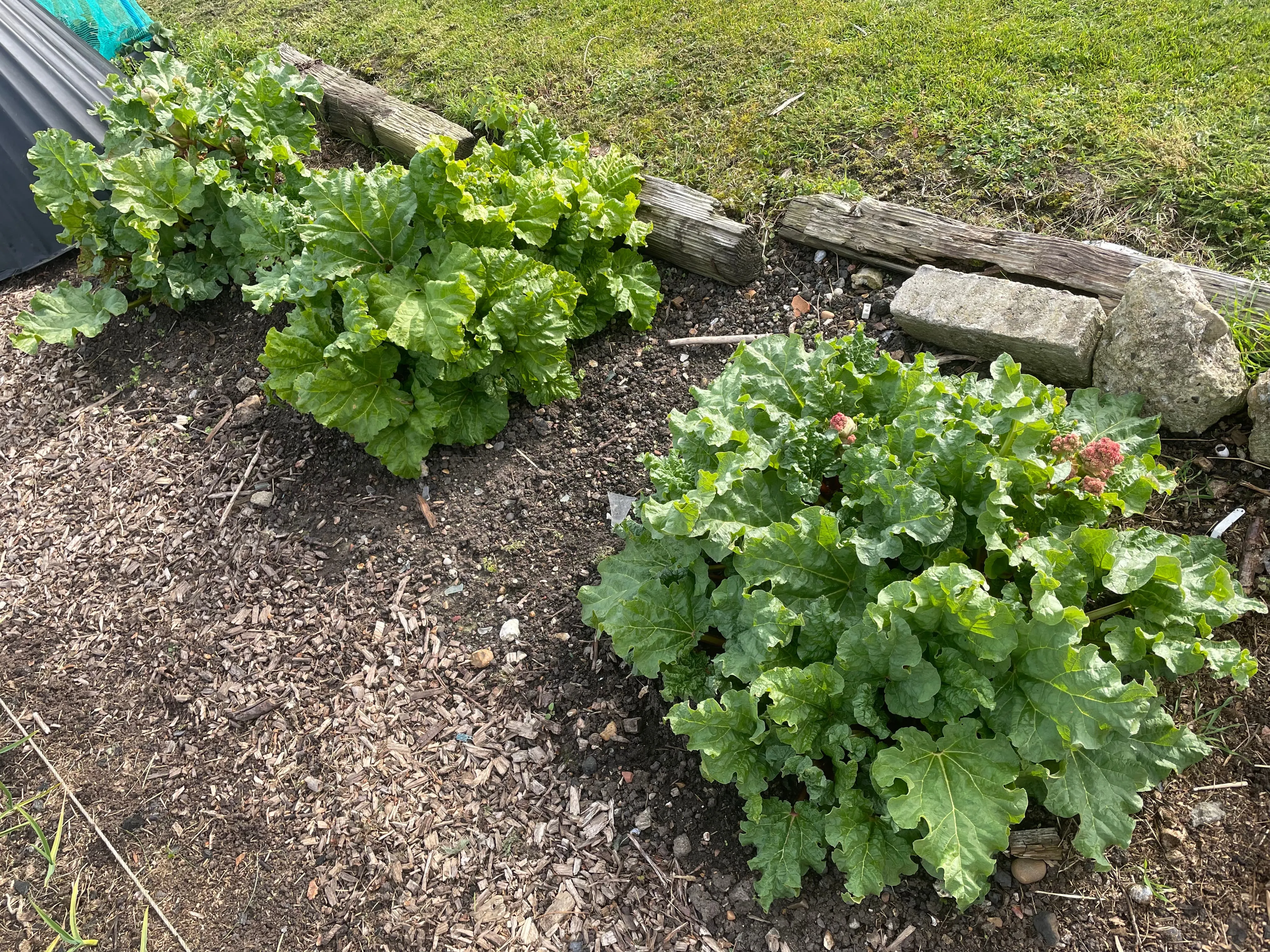
You can set your clock to the rhubarb. There’s something about seeing it start to show its face, like seeing daffodils in the park - you know Spring is coming. We do get a lot of rhubarb, and this year we intend to try and bring a few bunches in for people if you like it.
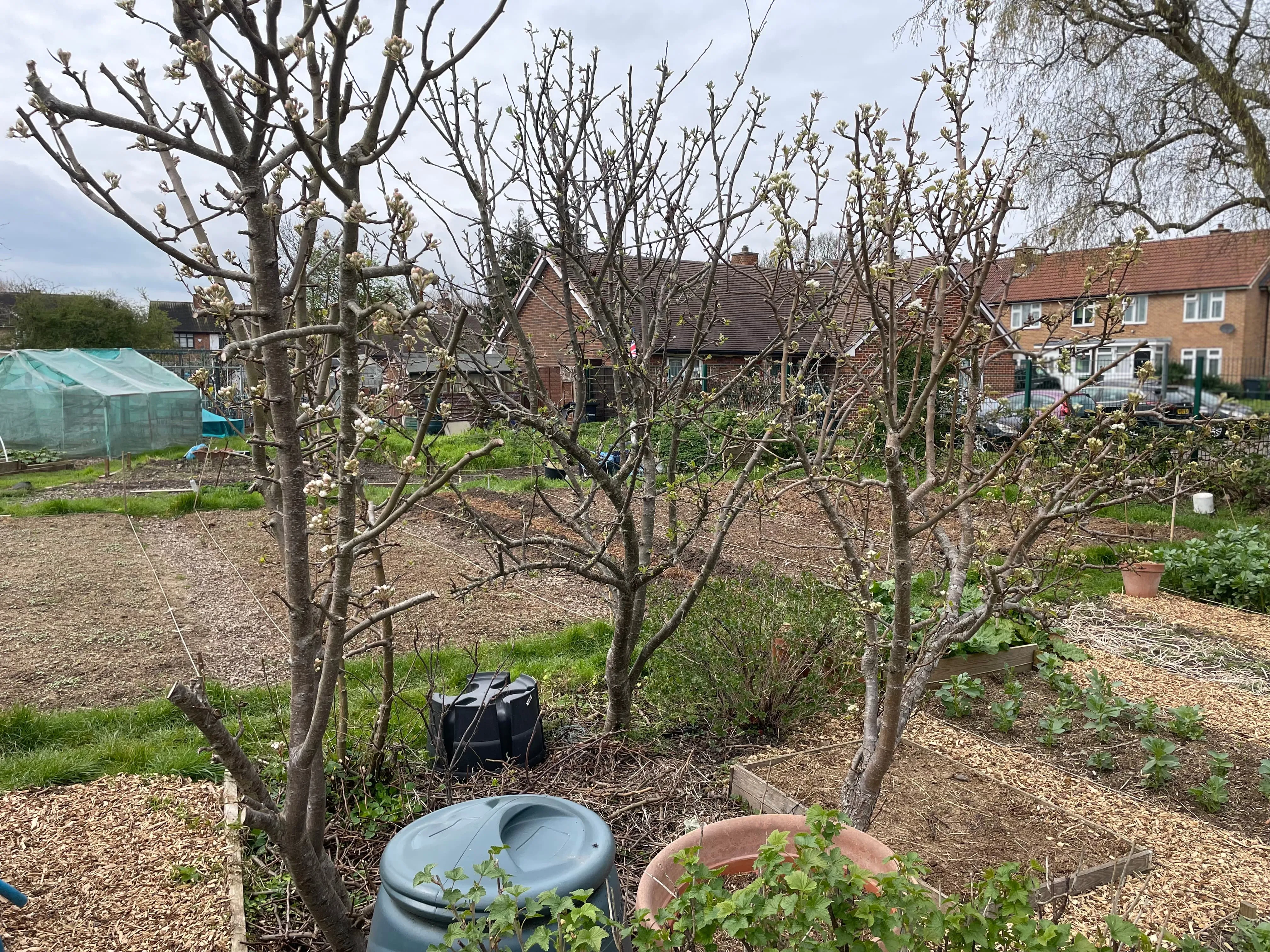
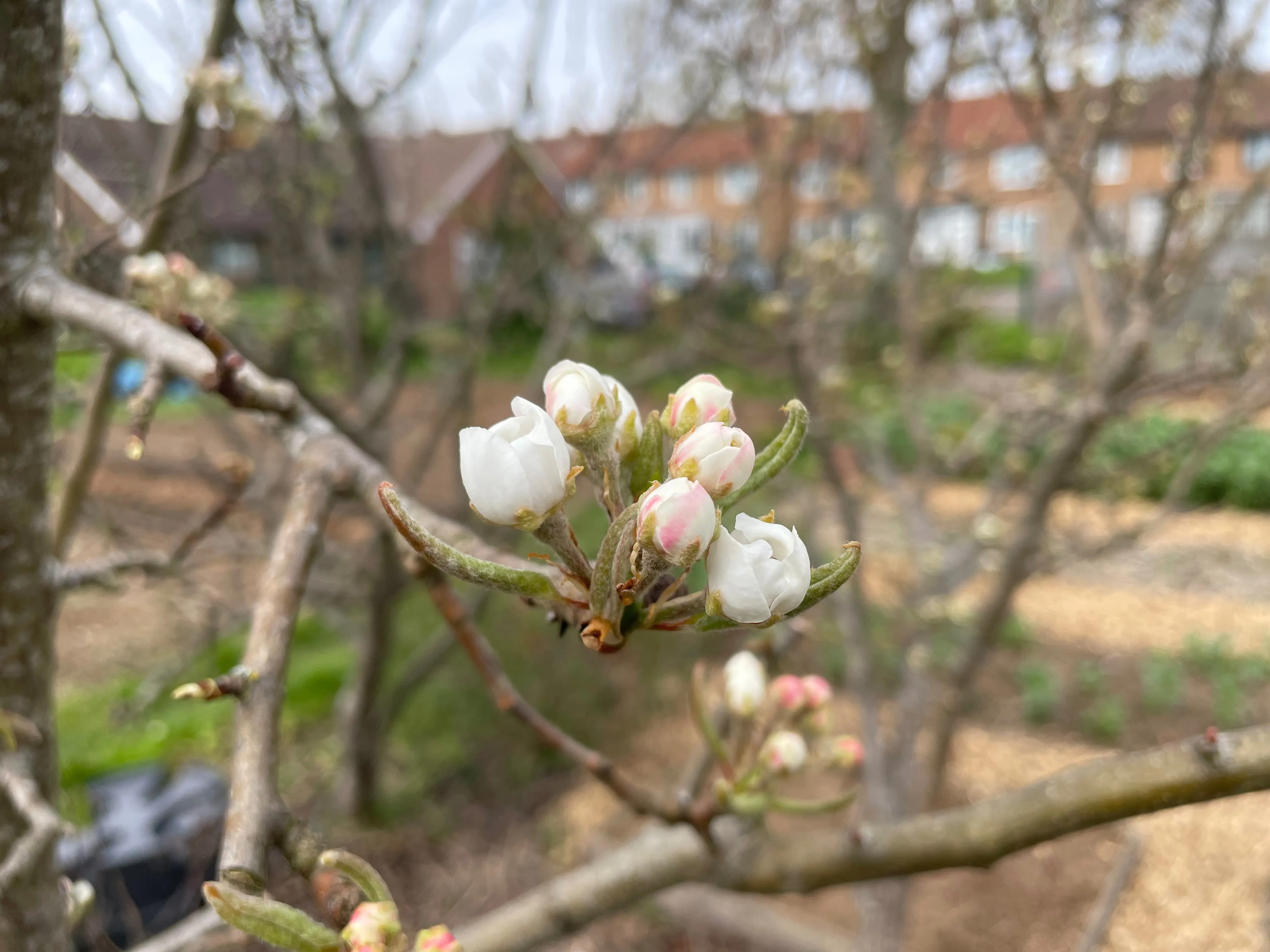
We pruned our apple and pear trees right back at the end of last year. It’s not one of our favourite jobs as they’re awkward, too close together, and you’re never too sure if you’re doing it right but they’re starting to blossom.
It’s hard to know what to do with these trees, as they’re just too close together but I really don’t want to take any out but they’re clearly competing against each other as time goes by…
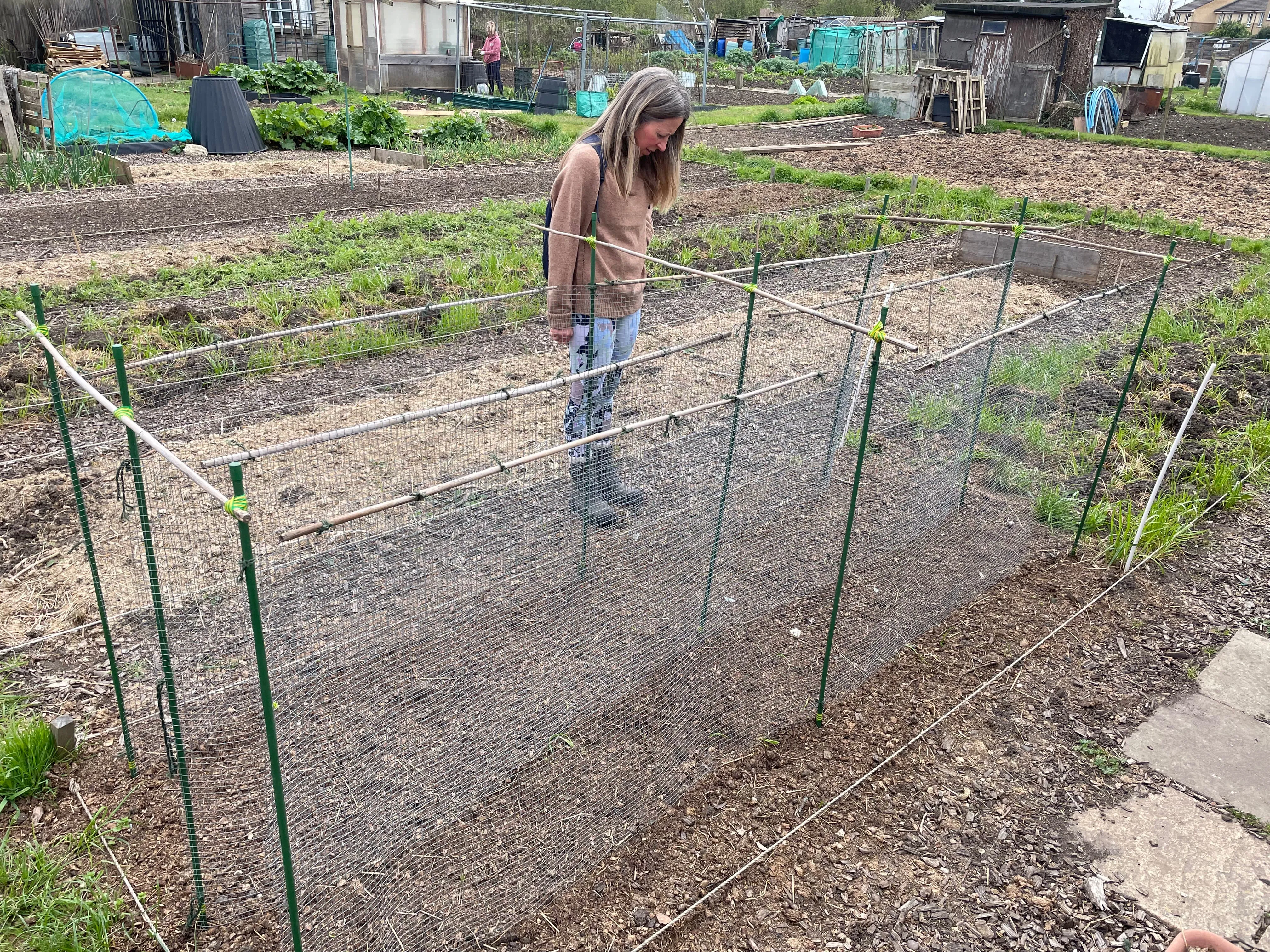
Overall, we’re in a good place. There’s lots to do after the Easter break, still more seeds to get in, quite a few beds to get ready, potting on, frames to be built for our runner beans and cucumbers, and our compost bins need a bit of a sorting so we can get to what’s underneath.
Take it easy everyone, and we’ll see you all after Easter…
Substances that are injurious to the well are equally (or more so) injurious to the sick.
Allotment Diary Archives
Suggested Reading
- Crop Rotation and Cover Cropping: Soil Resiliency and Health on the Organic Farm
- Natural Hygiene: Man’s Pristine Way of Life
- What Really Makes You Ill? Why Everything You Thought You Knew About Disease Is Wrong