

5 min read
Yoga is a lot more than what happens on the mat. It is a journey and a path toward understanding ourselves, our patterns, our hearts and why we suffer, so that we can meet ourselves with more kindness and compassion. The concept of the 5 Kleshas in yoga comes from Patanjali’s Yoga Sutra verse 2.3. They are described as the root cause of human suffering, torment and misery and are often seen as obstacles that hinder our spiritual path.
In Buddhism, Kleshas are also mentioned in different ways. The Kleshas take the mind away from present-moment awareness and remind us that we are often responsible for making our lives harder than they need to be.
The 5 Kleshas are…
Avidya - Ignorance
Asmita - Ego, the sense of “I”
Raga - Attachment
Dvesha - Aversion
Abhinivesah - Fear
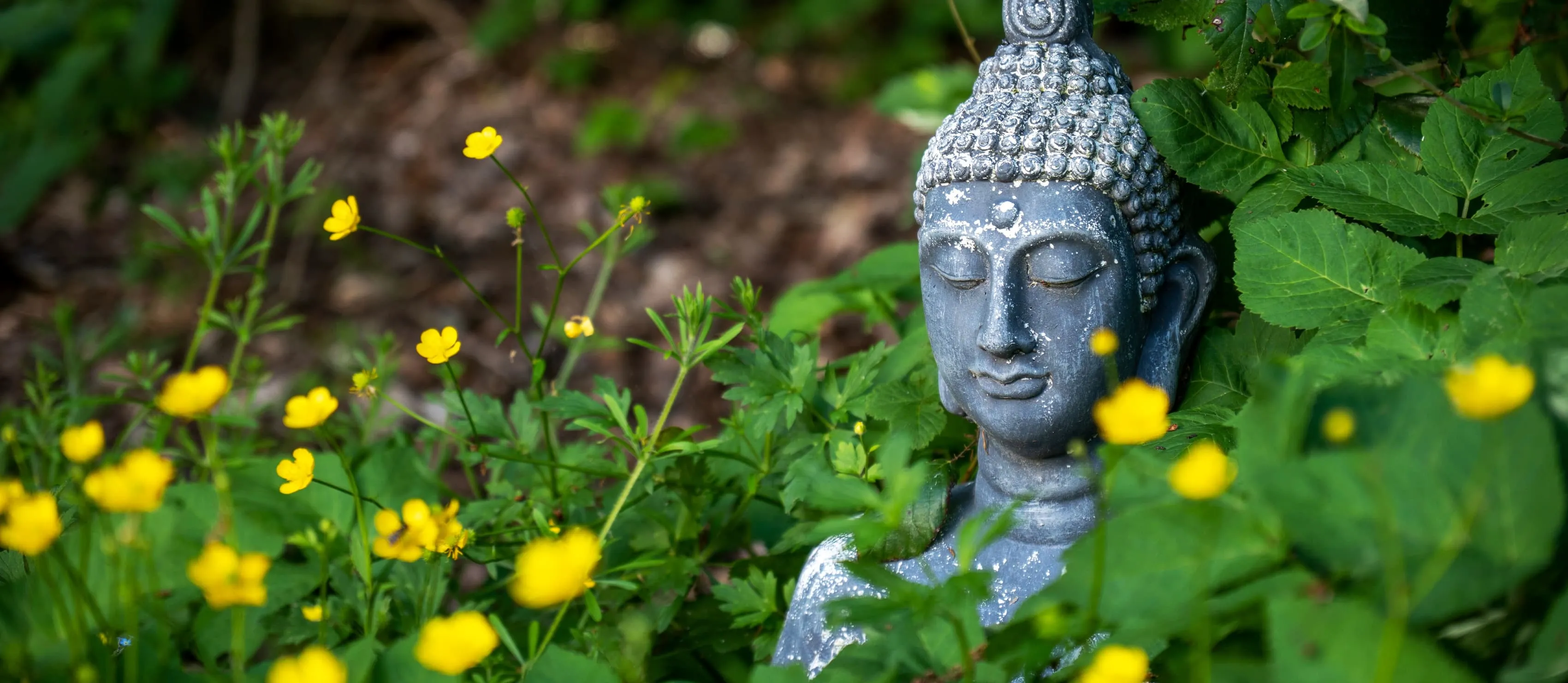
Klesha or Kleśa (क्लेश) is a Sanskrit term that translates as obstacle, affliction, poison, pain, and distress. The suffering that the Kleshas describe is caused by changes in the outside world that may go on to disturb our inner world. It is said that each one of them is deeply rooted in our existence and that overcoming them is essential for a peaceful life.
Yoga encourages us to be witnesses and observers of our lives. On the mat, we practise awareness and mindful intention, moving away from the outer influences of the external world and connecting with our inner world. In our time on the mat, we gently guide our thoughts and our actions toward compassion and kindness through our breath, focus and presence.
Understanding the Kleshas helps us to understand ourselves better, leaves us feeling more grounded and takes us further along our spiritual journey. The ancient yogis tell us that the Kleshas prevent us from achieving enlightenment. It is said that there is a calm, peaceful, and pure awareness that resides deep within us all. By working through the Kleshas, we start to see the reality of the world and let our true nature shine through.
The 5 Kleshas – The Causes of Suffering
Week 1 - Avidya: Ignorance
This is the forgetting of who we truly are. A misunderstanding that we are somehow separate, small, or not enough. We mistake the impermanent for the permanent. This can also be seen as delusion, lack of knowledge, limited knowledge and/or misunderstanding. This is an important obstacle to face and overcome to be able to see the true nature of ourselves and to move through the other Kleshas.
Week 2 - Asmita: Ego, the sense of “I”
We can start to realise that we are more than our roles, titles and stories that we move through life with and we start to remember that there is more to us underneath. This is the identification of ourselves with our ego. We create a self-image of ourselves that we believe is us but is not us. Awareness is an important step to take through self-reflection and mindfulness, being able to observe your thoughts and reactions and realising when your ego is at play.
Week 3 - Raga: Attachment
Attachment can be our natural longing for what feels good and we can start to become aware of how holding on can affect us in our life. This is the attraction to things that bring satisfaction to us. We have a desire for pleasure, for example through buying things, owning material possessions and seeking experiences. When we cannot have what we desire, we suffer, and when we obtain what we desire, the pleasure fades and we search yet again. Practise detachment and focus on what you need rather than the things that you want.
Week 4 - Dvesha: Aversion
This can be explored as the instinct to push away what feels uncomfortable or unwanted, and how that resistance can keep us stuck. This is the opposite of raga, aversion towards the things that produce unpleasant experiences. If we cannot avoid the things that we dislike, then we will suffer. It is often said that it is in discomfort that we grow the most, and growth can lie in stepping out of our comfort zone.
Week 5 - Abhinivesah: Fear
A deep-rooted feeling for human beings is the fear of loss and letting go. It can be seen as a fear of change, endings, losing control and holding on tight to what feels familiar. This final klesha is about the way we cling to life and fear death. By doing so, we forget to fully engage with what is in front of us. This fear prevents us from truly living. In yoga, we can surrender to our poses and our breath to be in the present moment, and in savasana (relaxation), we practise the ultimate surrender. Yoga practice is an invitation to live more fully by fearing less and creating space for what can emerge.
Related Videos
Creating Space
Surrender Your Shoulders
Yoga For Energy & Creativity
Release Tension & Tightness In Legs & Hips
Yoga To Create Space In The Body & Mind
Breathing & Movement for Tension & Stress
Release Tension in the Upper Back
Release Neck & Shoulder Tension
Yin Yoga for a Calm Mind
Tension Releasing
This Month’s Music
Here’s a selection of the music that Vicky has been enjoying this month.
| Artist | Title |
|---|---|
| Essie Jain | The Healing |
| Sangit Om | In Balance |
| Wah! | Om Mani Padme Hum |
| Manose | Calming a Restless Mind |
| Paul Paradise | Compassion and Gratitude |
| Miten and Premal | Twameva |
| Lisbeth Scott | Dawn Light |
| Sirgun Kaur | Bliss (I am the Light of My Soul) |
Recommended Books
The Kleshas - Deborah Adele