
14 min read
It’s been a good few months since the last allotment diary and as we approach the end of Autumn and head into Winter we thought it would be a good time to show you how the allotments are doing…
Summer really is a busy time on the plots with watering, harvesting, storing, preparing and cooking the food, keeping a diary of things is actually quite difficult but we always take loads of photos which is good for jogging our memory.
We didn’t realise but we’ve been keeping a record of the allotment plots on the website now for two years!
Read on if you’re having trouble sleeping!
Harvesting
Vicky comes into her own in the Summer, as I’ve slowly realised that’s it’s not actually my favourite time of the year on the plots - it’s the Spring for me, and Autumn. Keeping up with the watering is enough as it is and it’s very easy to be on the plot 6 - 8 hours without realising.
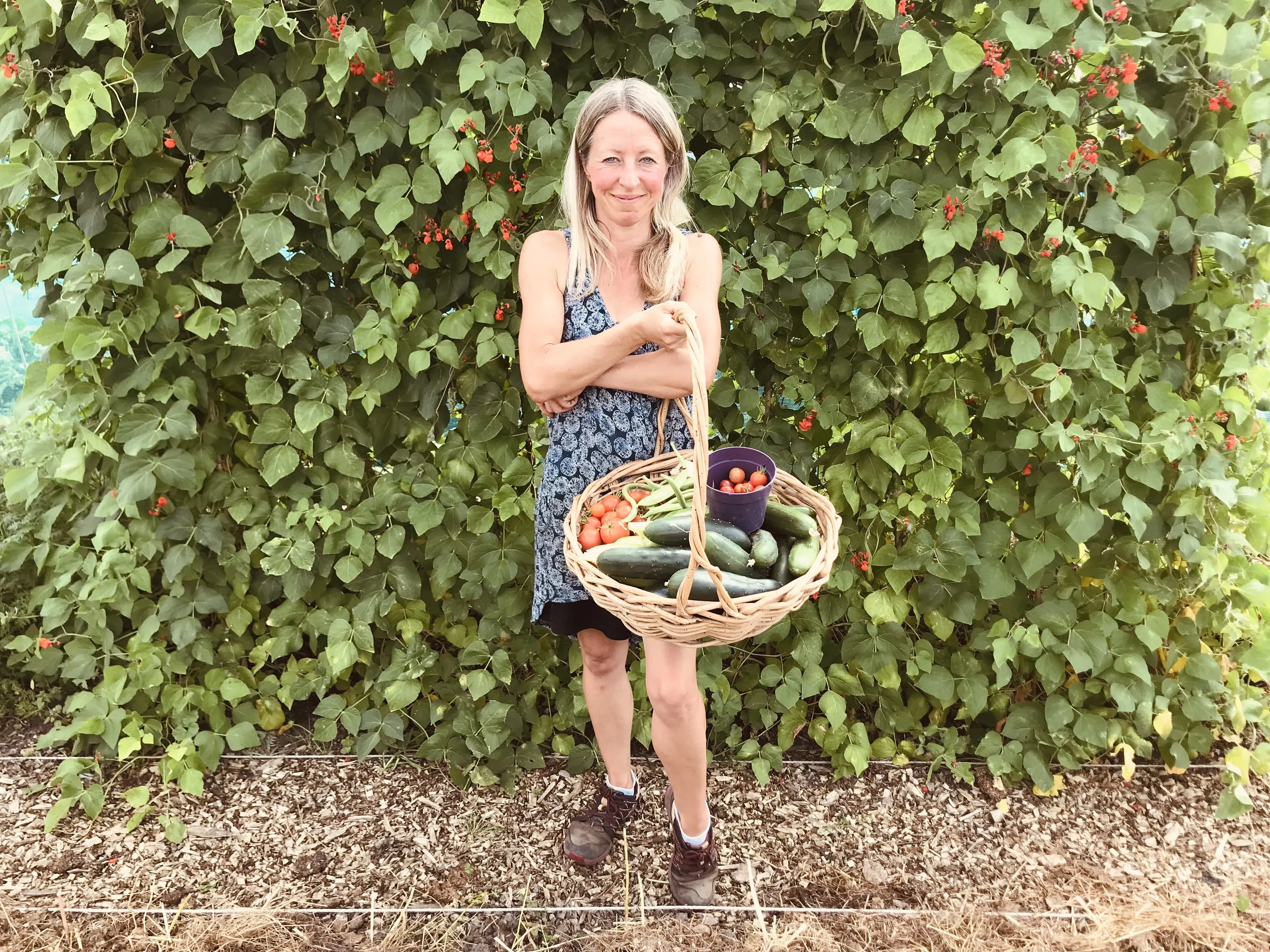
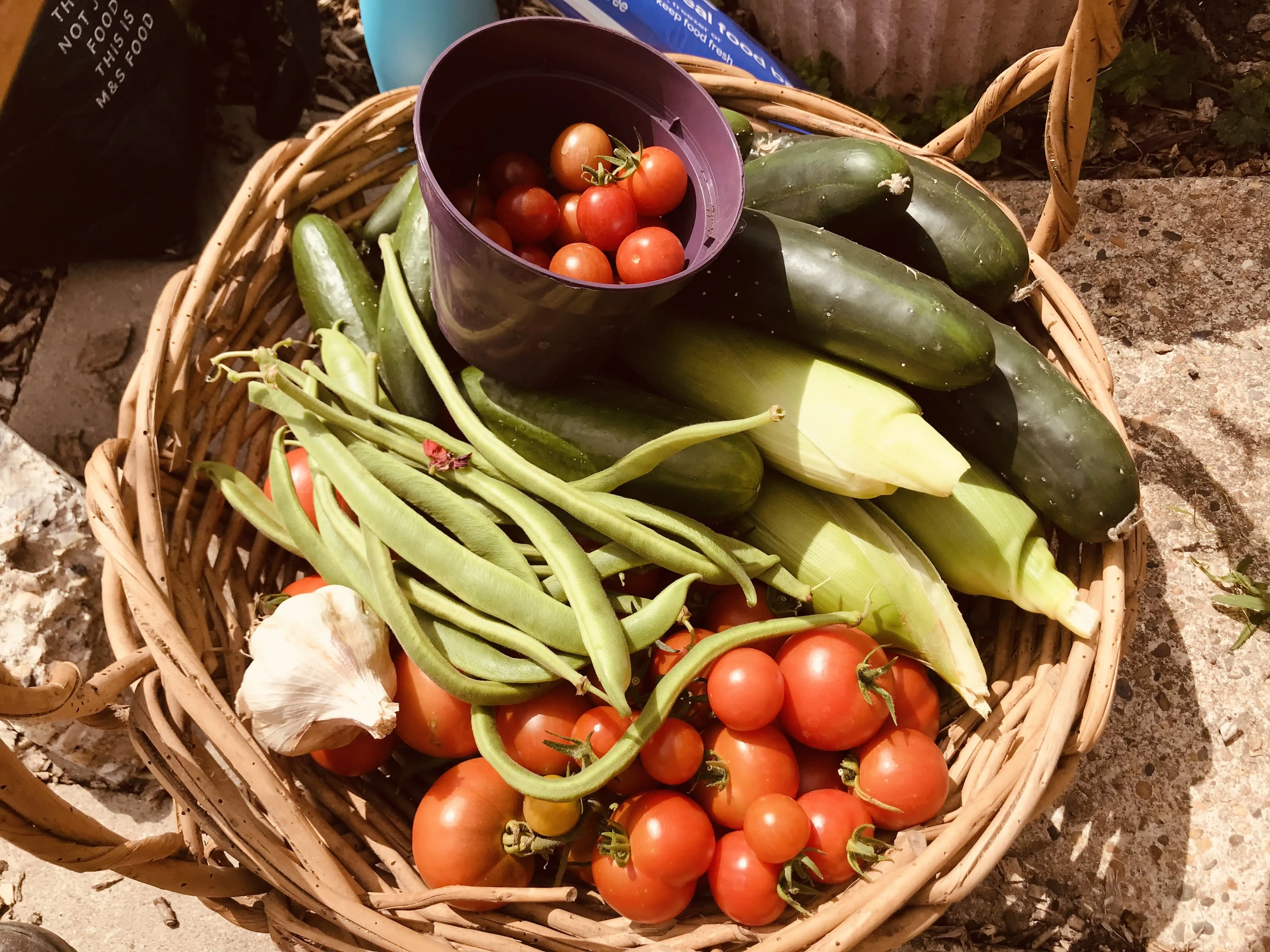
We did really well this year for the most part but if you read our allotment diary eight you’ll remember we messed up with our courgettes and squashes by putting them out just a bit too early and catching a late frost from which our courgettes in particular never recovered.
Our squashes actually ended up half decent but we had half as many as the year before and not quite as big, but still not too bad in the end. Last year we had 45, of which some were whoppers. This year just 23 but with careful storage we should be able to make them last twelve months…
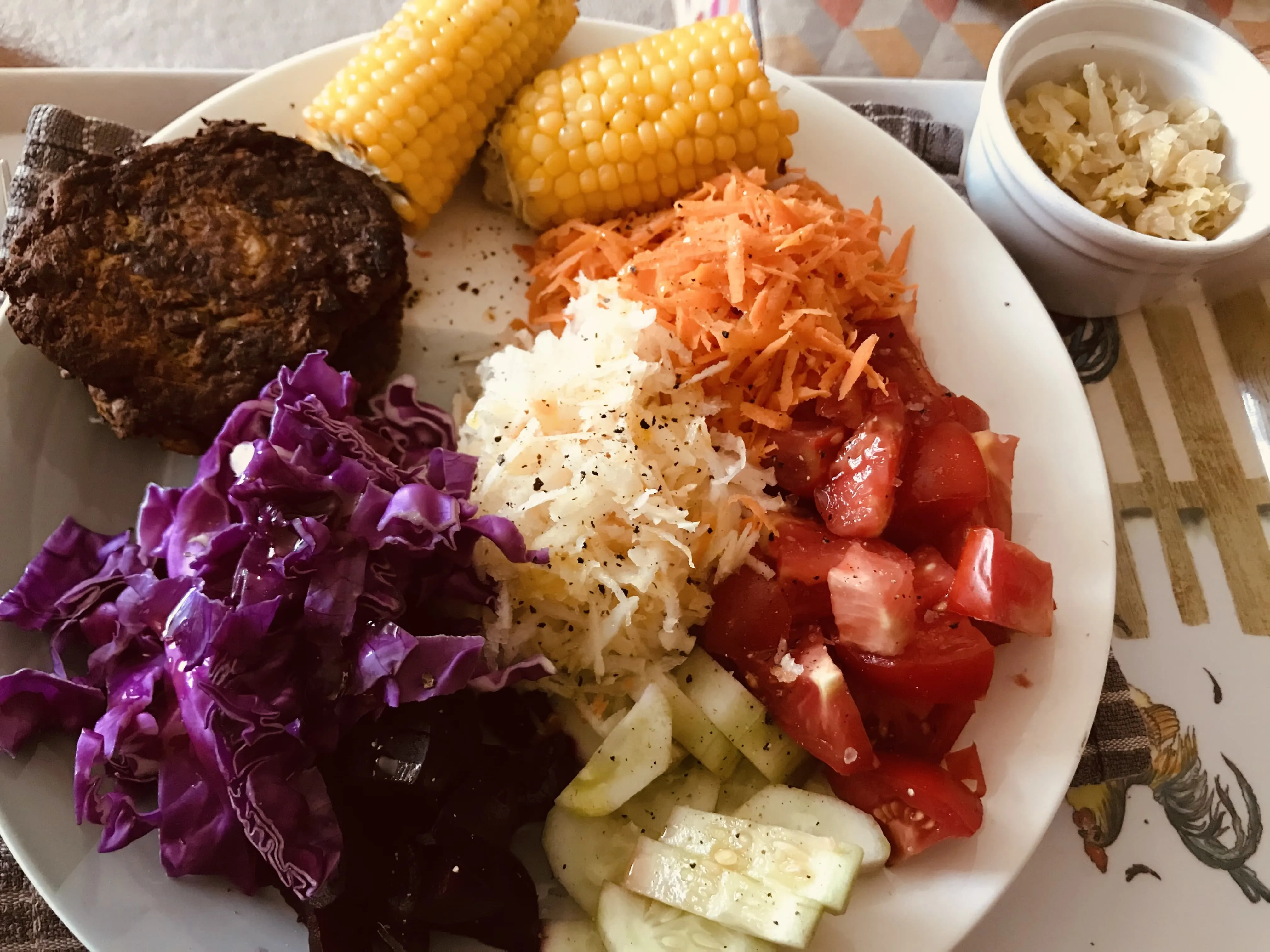
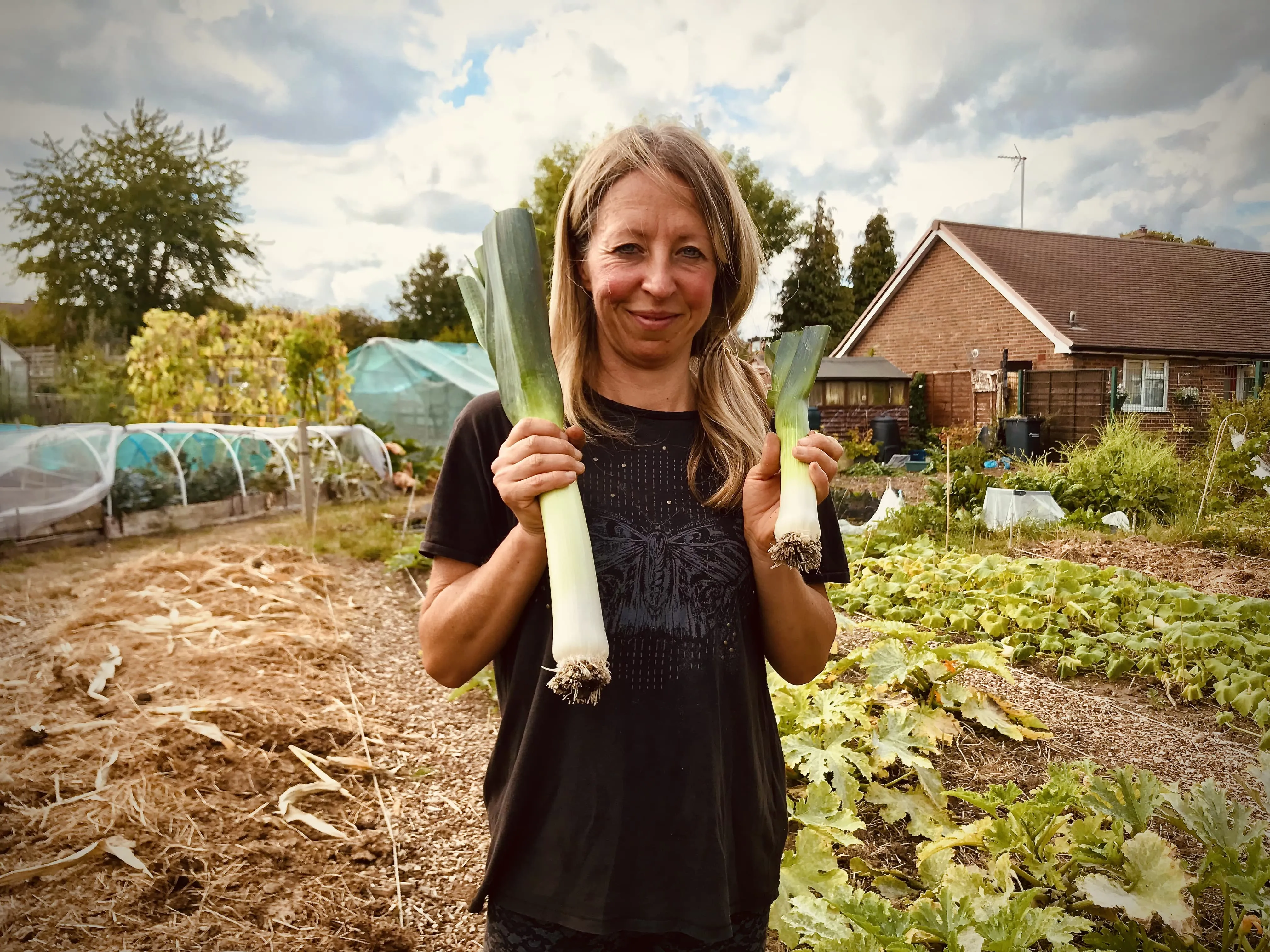
We live in a small flat, and finding room for what we’ve grown can be quite hard but Vicky solved our cabbage glut at times by making sauerkraut for the first time in five years, and it’s turned out really really well and is quite delicious.
Tomatoes
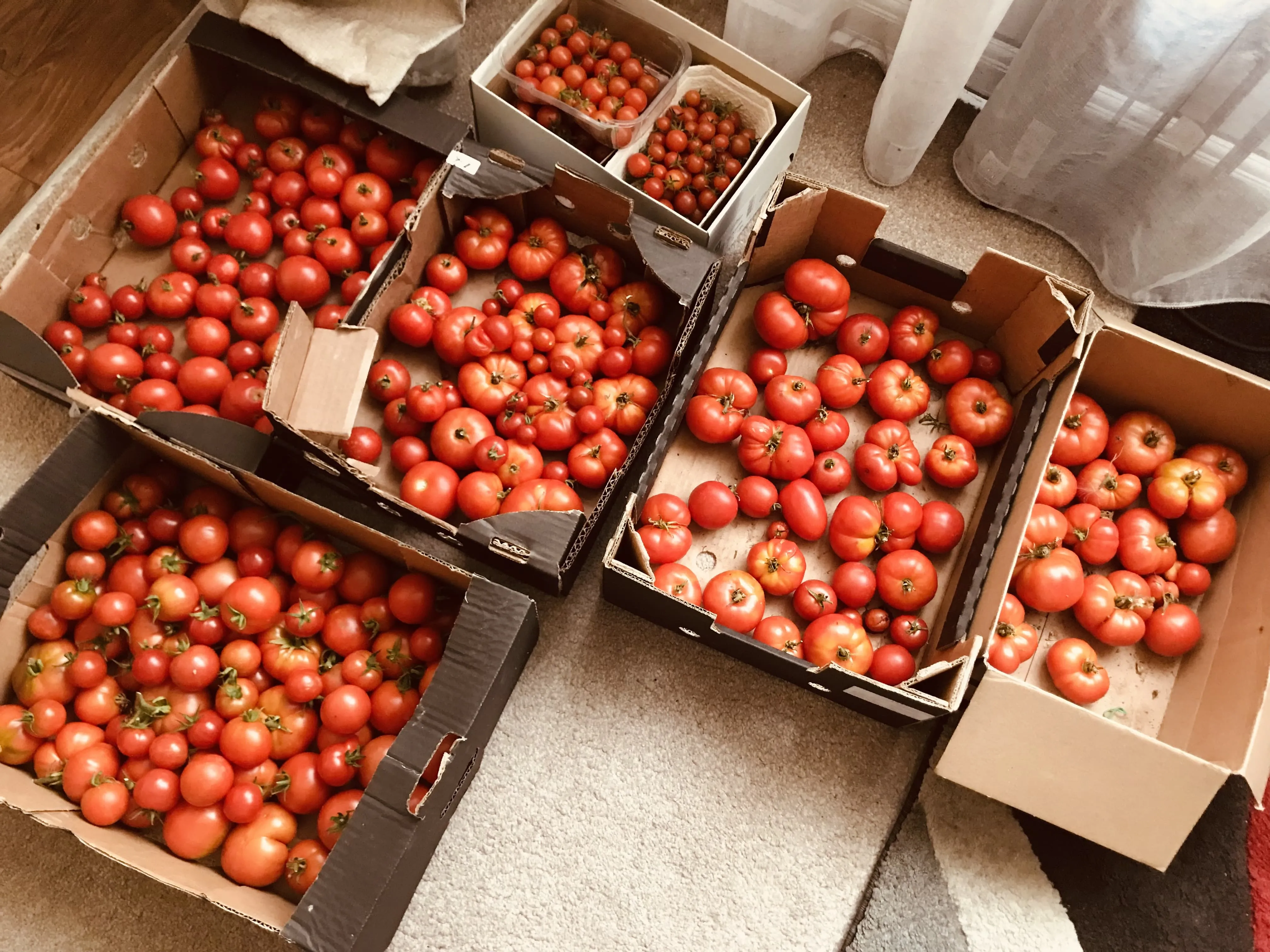
We’ve never had so many tomatoes as we did this year! The pictures below are just a tiny fraction of what we had over the Summer/Autumn. It was good to have so many as we were able to share loads with family and friends.
It was nice to hear how well some of you did with the plants we brought in too, though a couple of you had no luck with them. There’s always next year, and hopefully we’ll be bringing more plants into classes again for you to put in the garden if you want some.
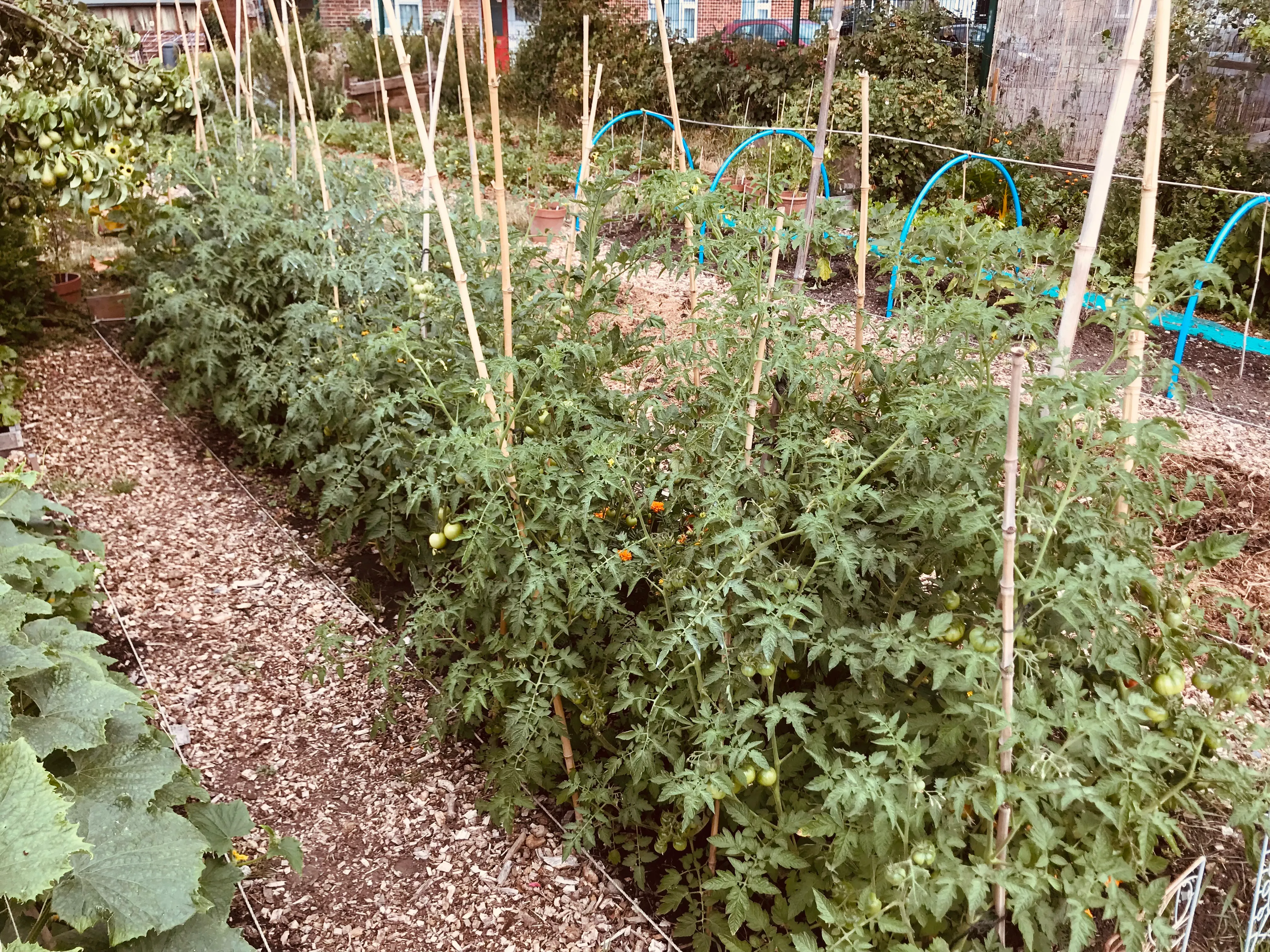
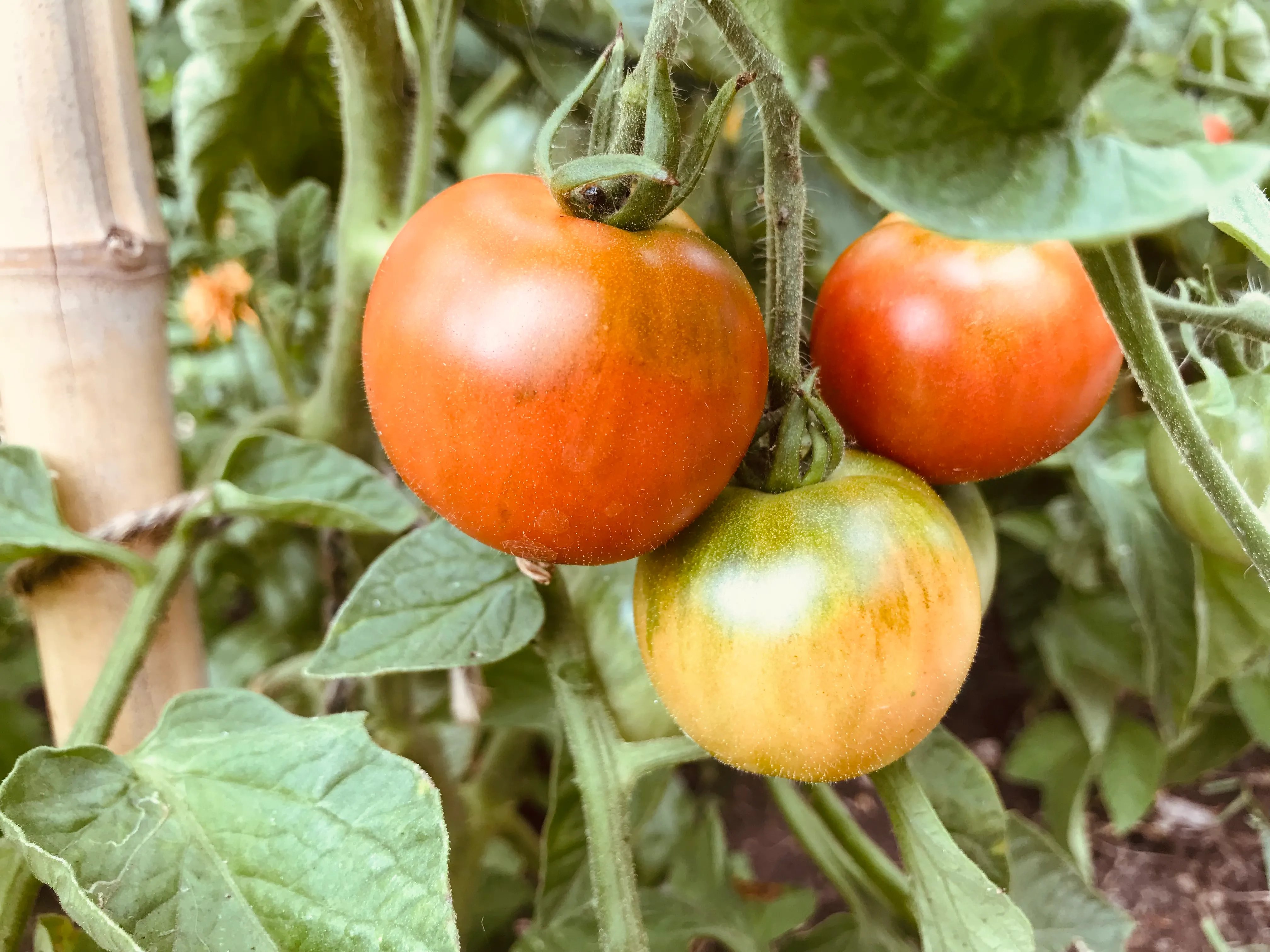
It was good to hear how much of a lift it gave some of you watching them grow over the Summer. We made lots of sauces to use over the Winter with many of ours, and many are now drying out for seeds to use next season.
Substances that are injurious to the well are equally (or more so) injurious to the sick.
Aubergines & Peppers
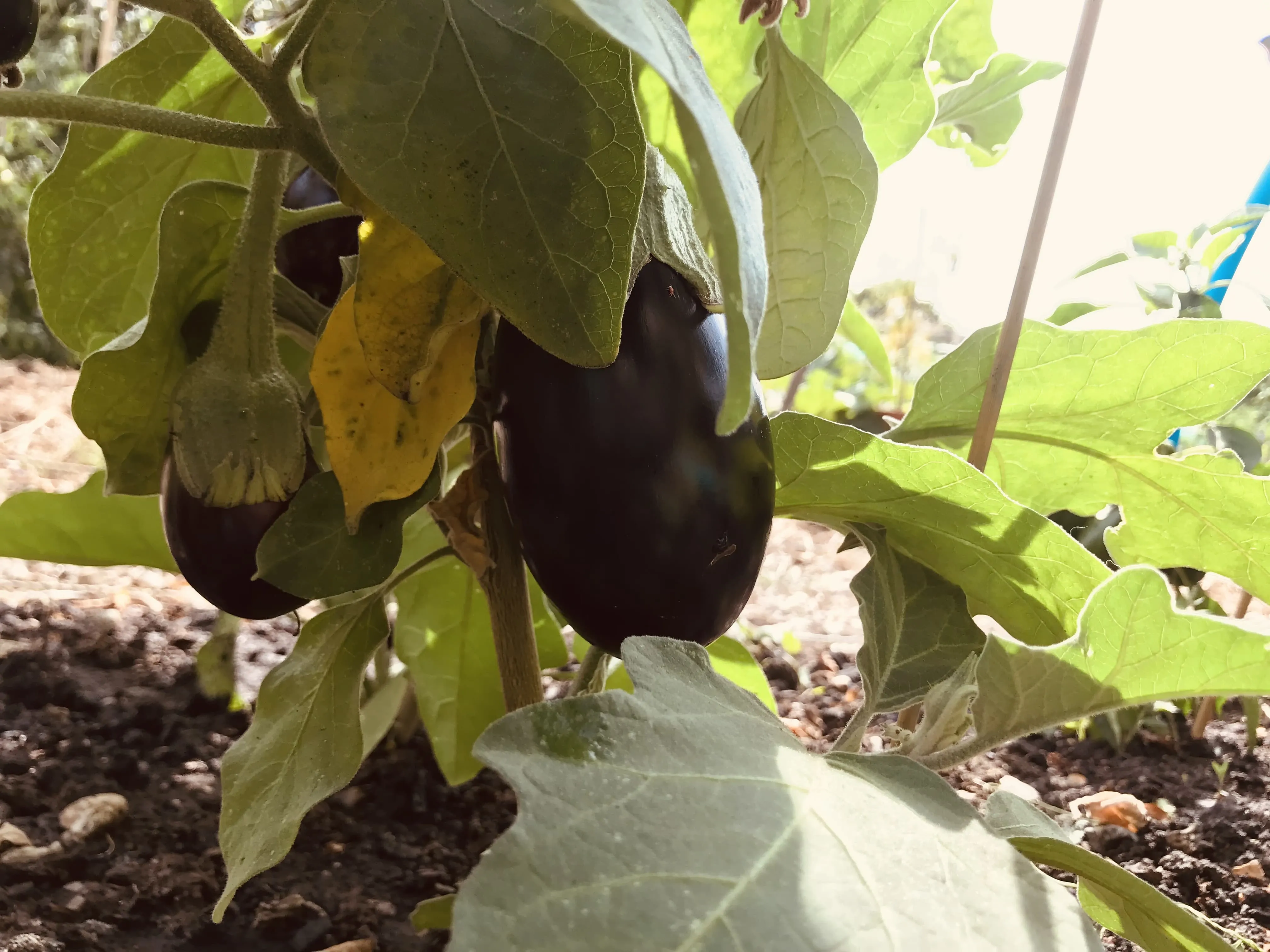
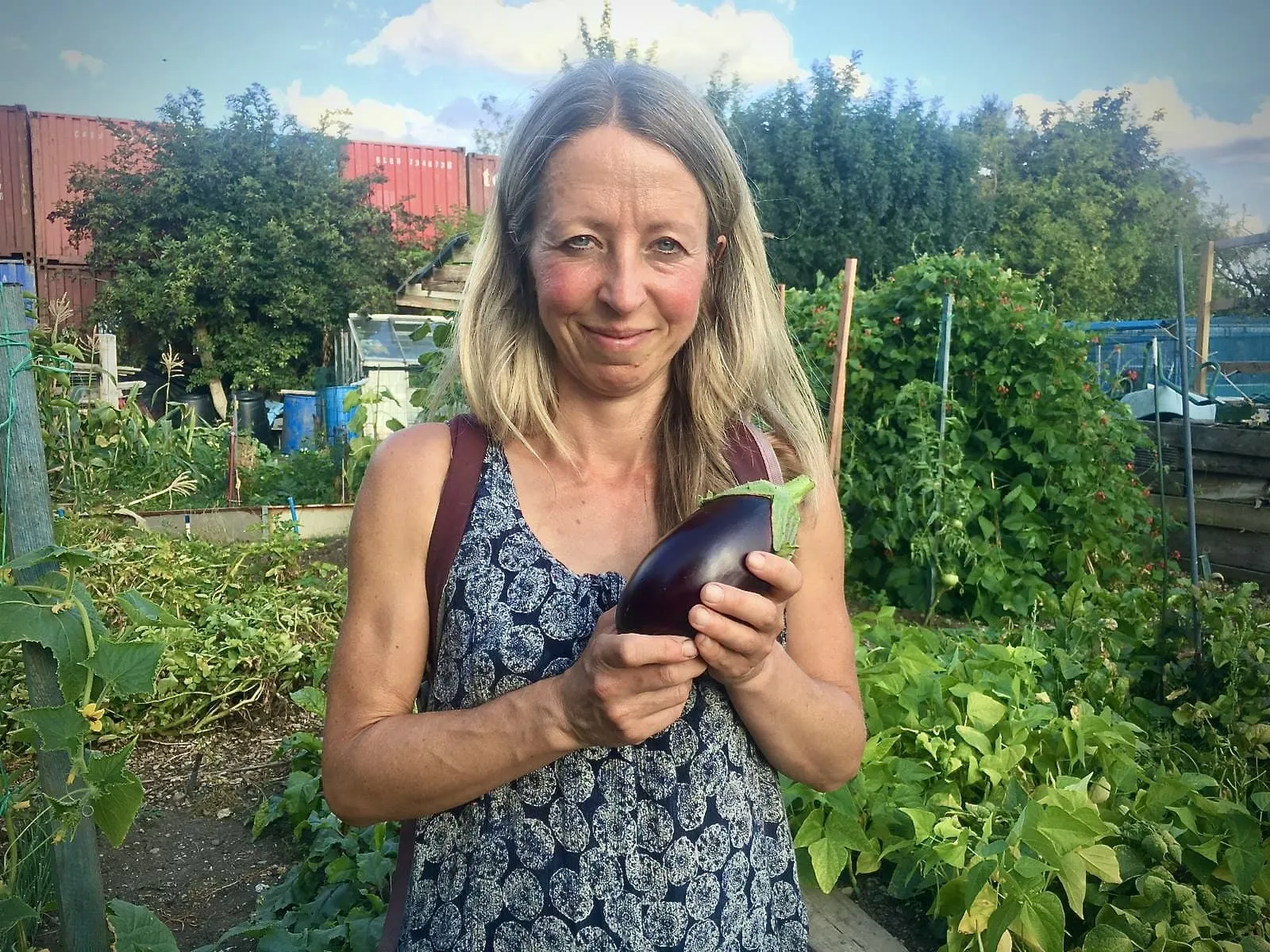
These were hit a little bit by some late cold weather too and took a while to get going but they really kicked on in the end, and we had way more Aubergines than we’ve had in the past.
Vicky made a Baba Ganoush with quite a few of them which was superb, and we’ll be growing more next year than we did this year when we jiggle about what we’re growing where.
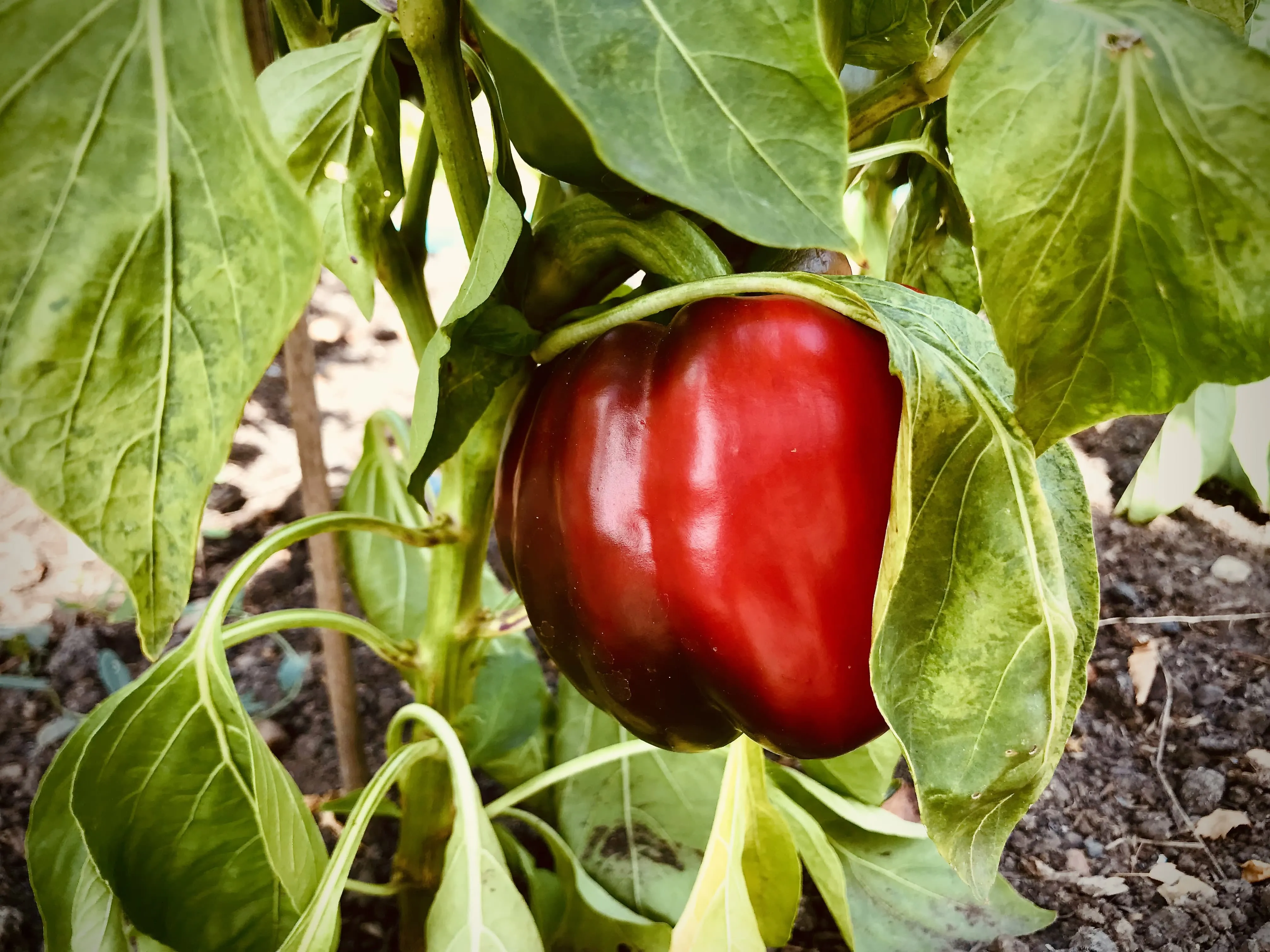
Some of our peppers this year came from seeds we’d saved the previous year, and those ones fared better in the end, turning out to be the biggest that we’ve grown. They were lovely and sweet and it was a real shame when they came to an end. They all went in salads raw.
Sweetcorn
Sweetcorn is my favourite to grow and we didn’t think we’d have much luck as they’re planted on the plot that doesn’t have the greatest soil. They grew well to start, then seemed to slow down, and were very “spindly”.
We were told by a few people that judging by how they looked that we wouldn’t get any. It might have been over watering on our part, or just the way the soil is were they were growing. Personally I think it’s the soil but you just leave the plant to get on with it.
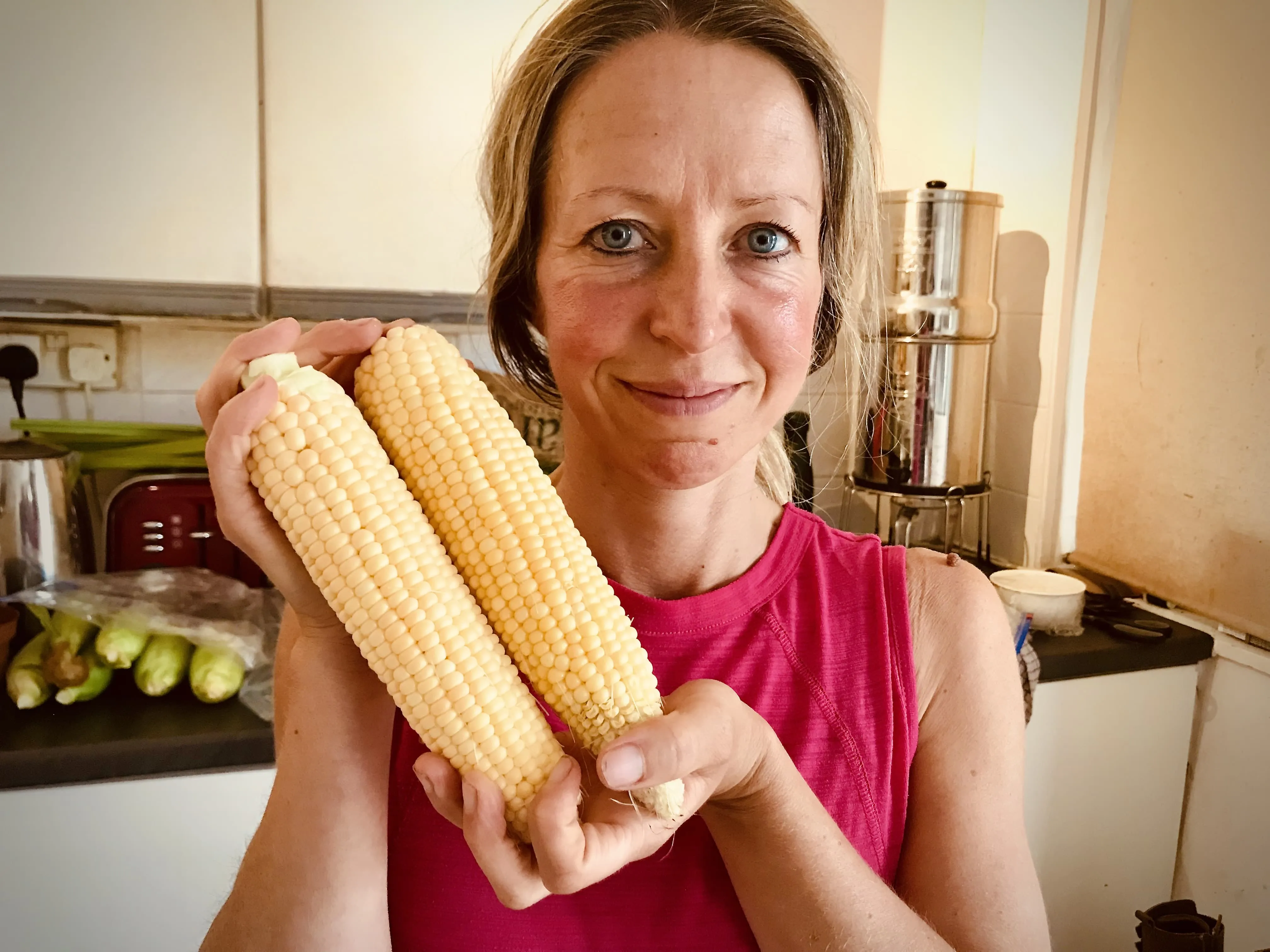
They turned out fine in the end. We hit the sweet spot last year with some, and they really were like nothing you’ve ever tasted. This year, while we didn’t have any as sweet tasting, we did actually have more cobs, and we made them last longer.
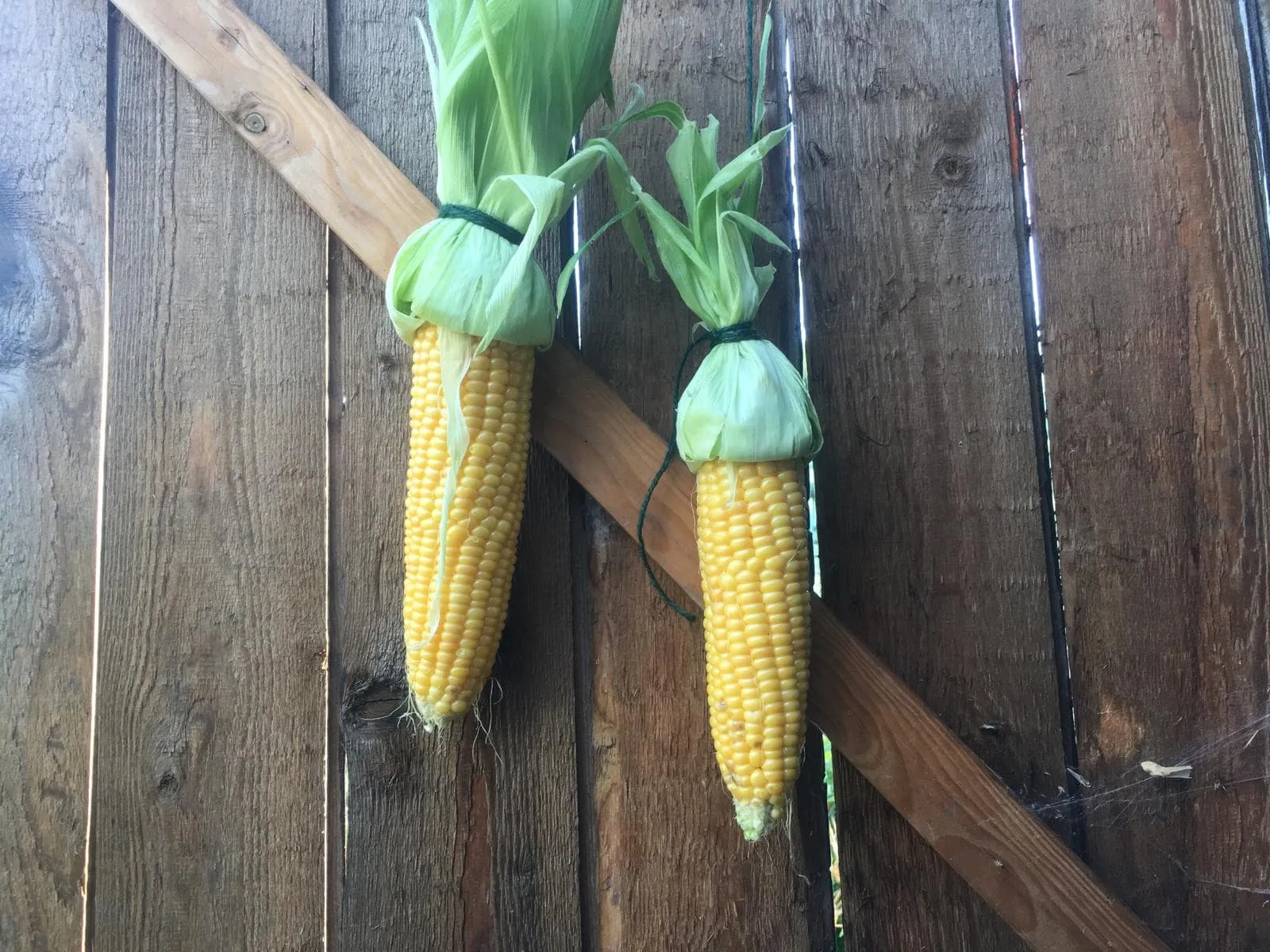
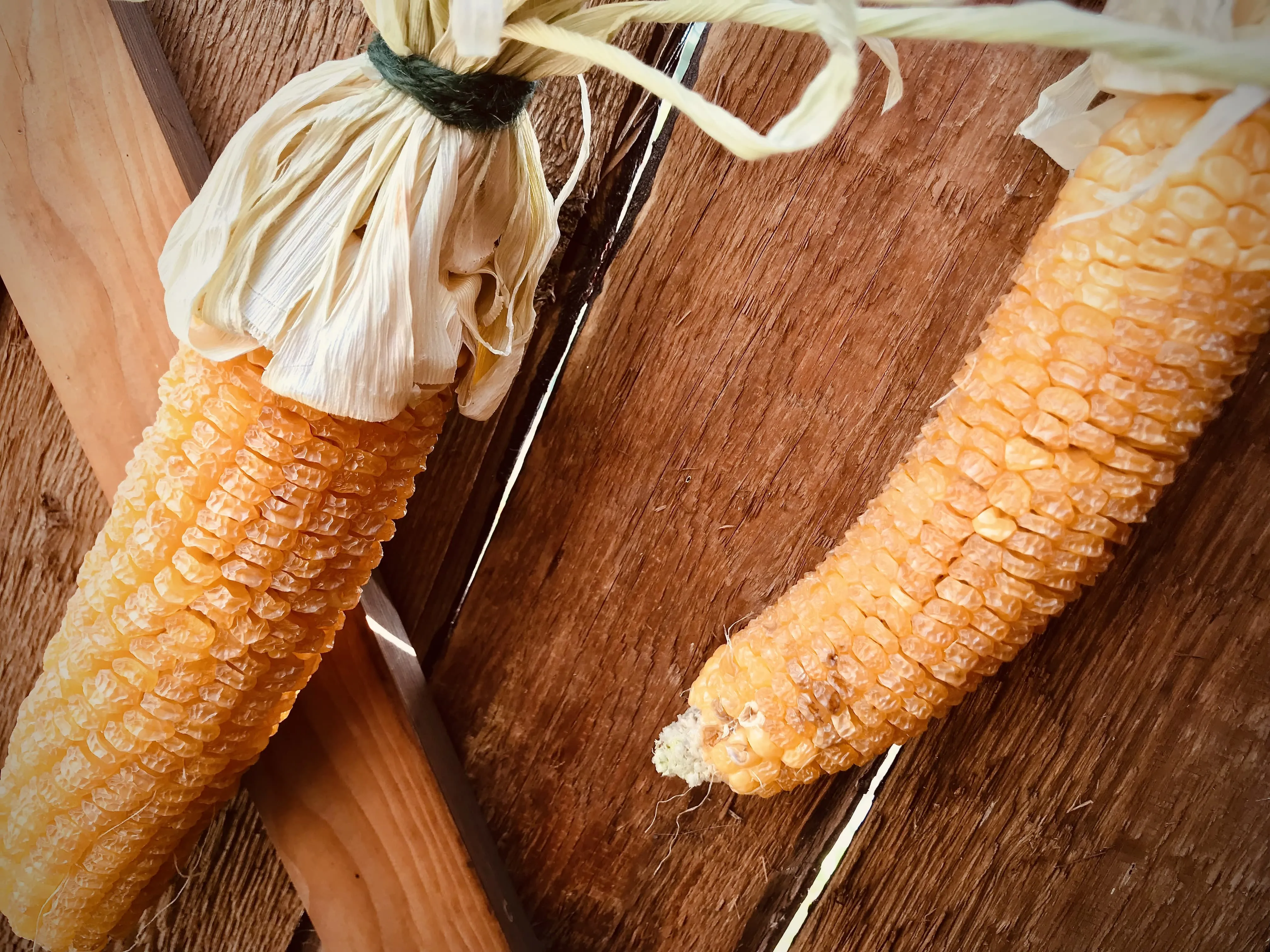
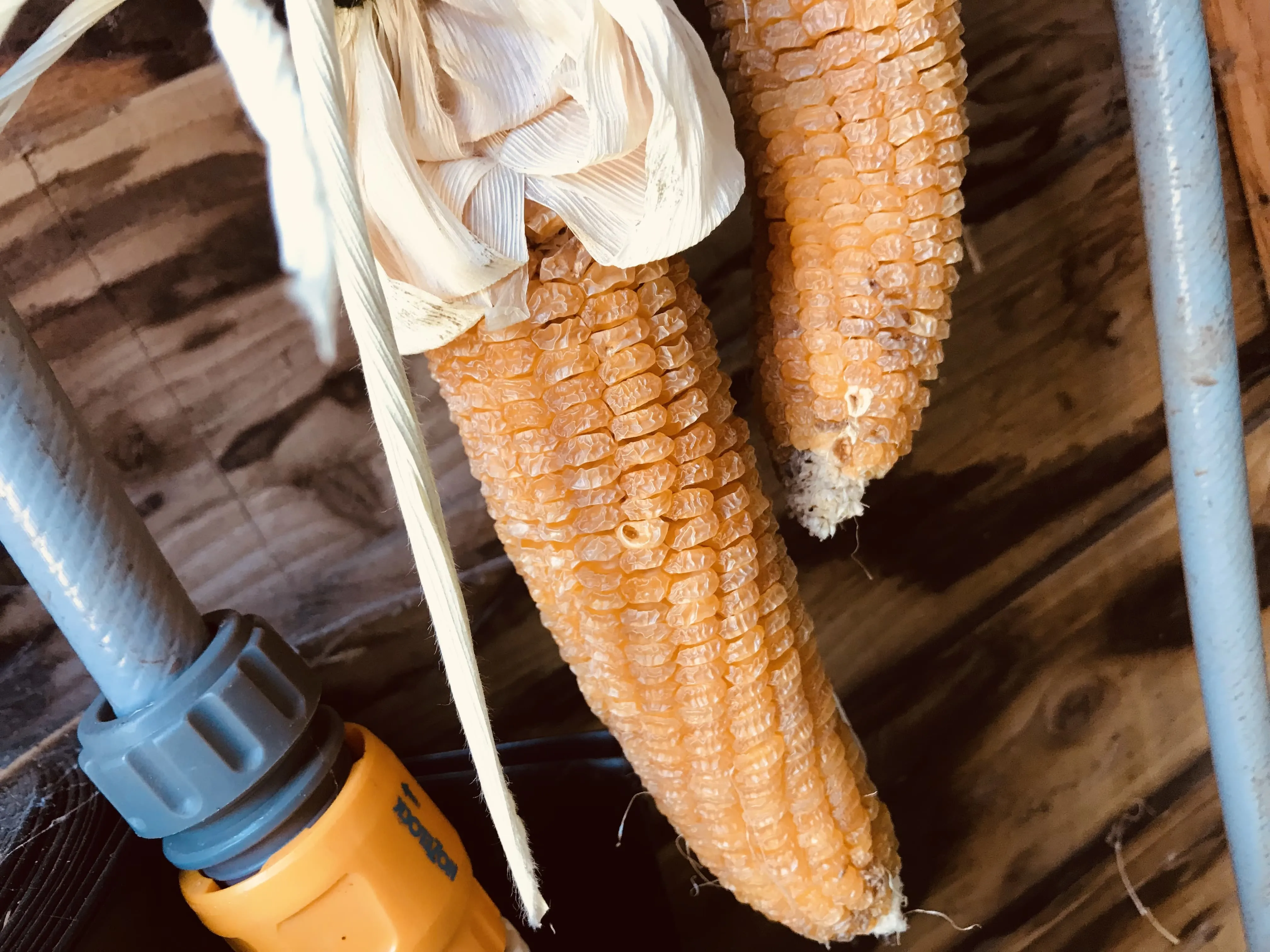
Sweetcorn seeds are quite expensive for what they are, and quite hard to germinate at times, so we’ve dried out two cobs this year giving us loads of seeds for next year. We were fortunate to notice (only by chance), that a mouse had eaten its way through a good third of one of the cobs so we quickly got them home.
These are now in seed packets ready for next year. It will be interesting to see how they do…
If you desire truly to live you will cease trying to find magic tricks and short-cuts to life and learn the simple laws of being, and order your life in conformity with these.
Potatoes
We planted less potatoes this year, as we do them on the same plot in different places to give us room on the plots that actually belong to us but it’s the plot with the very dry soil. I didn’t seem to plant them out as well this year even though they seemed like harder work to get in but the ground is very hard to work with.
We never seem to have as bushy plants as everyone else on the plot but I think it’s due to the fact the previous owner mostly only grew potatoes on it. The first row we dug up was a real disappointment but we dug up three more rows later in the year, and to be honest they weren’t too bad, just a lot less than last year, which makes it harder to share with family. For all that work that goes into them, it’s nice to try and make them last at least until Christmas. It’s not that cheap to buy seed potatoes either.
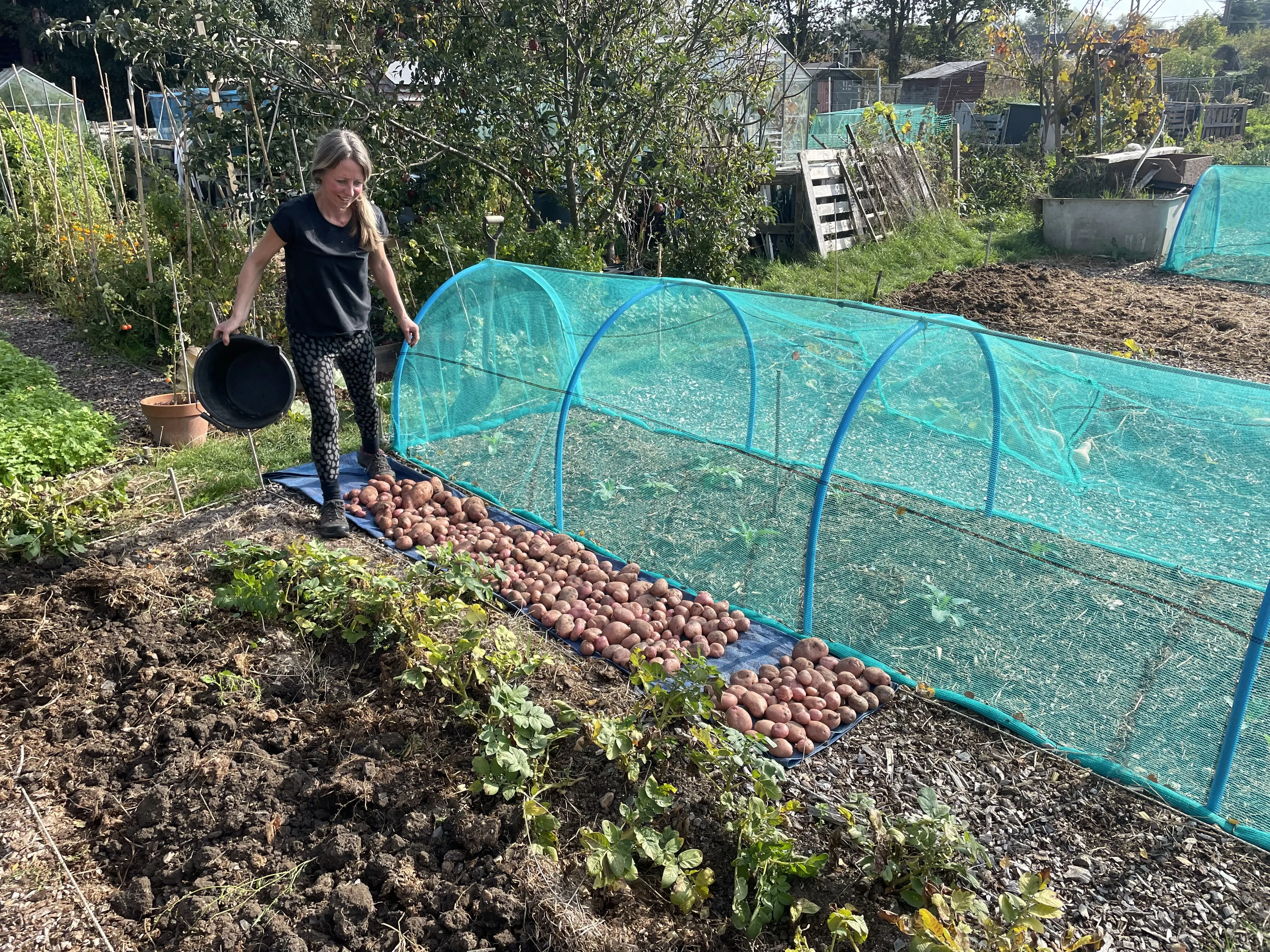
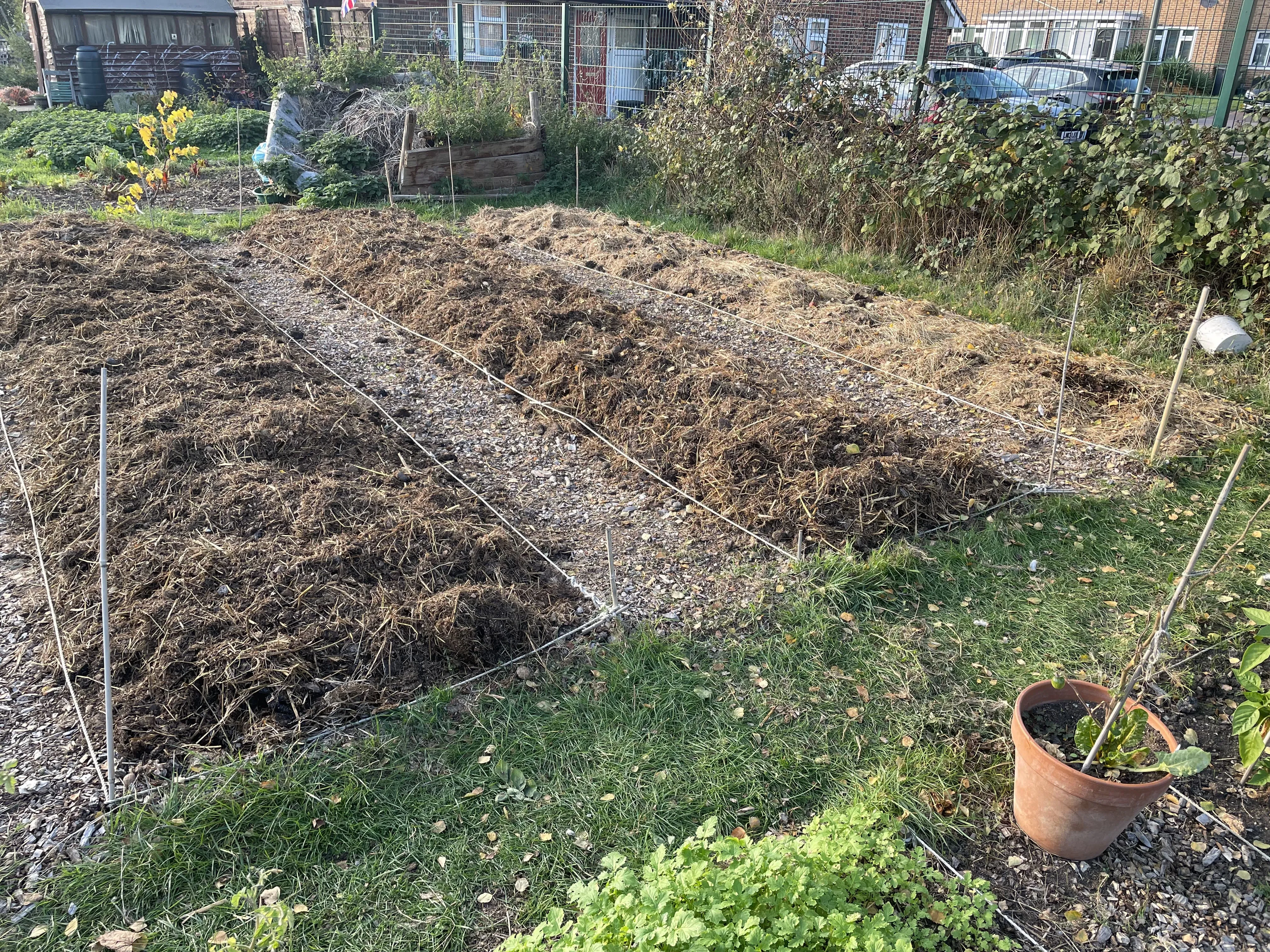
We are hard at work on this plot though with plenty of manure and cover crops so hopefully the soil will gradually pick up as we won’t be moving our potatoes to another plot. We’ll see how they turn out next year…
Winter Cabbages & Cauliflower
We got swamped in the Summer just maintaining the plots and just didn’t get ‘round to sowing our own cabbage and cauliflower seeds for Winter as we’d planned, so we cheated and bought some plants from the garden centre…
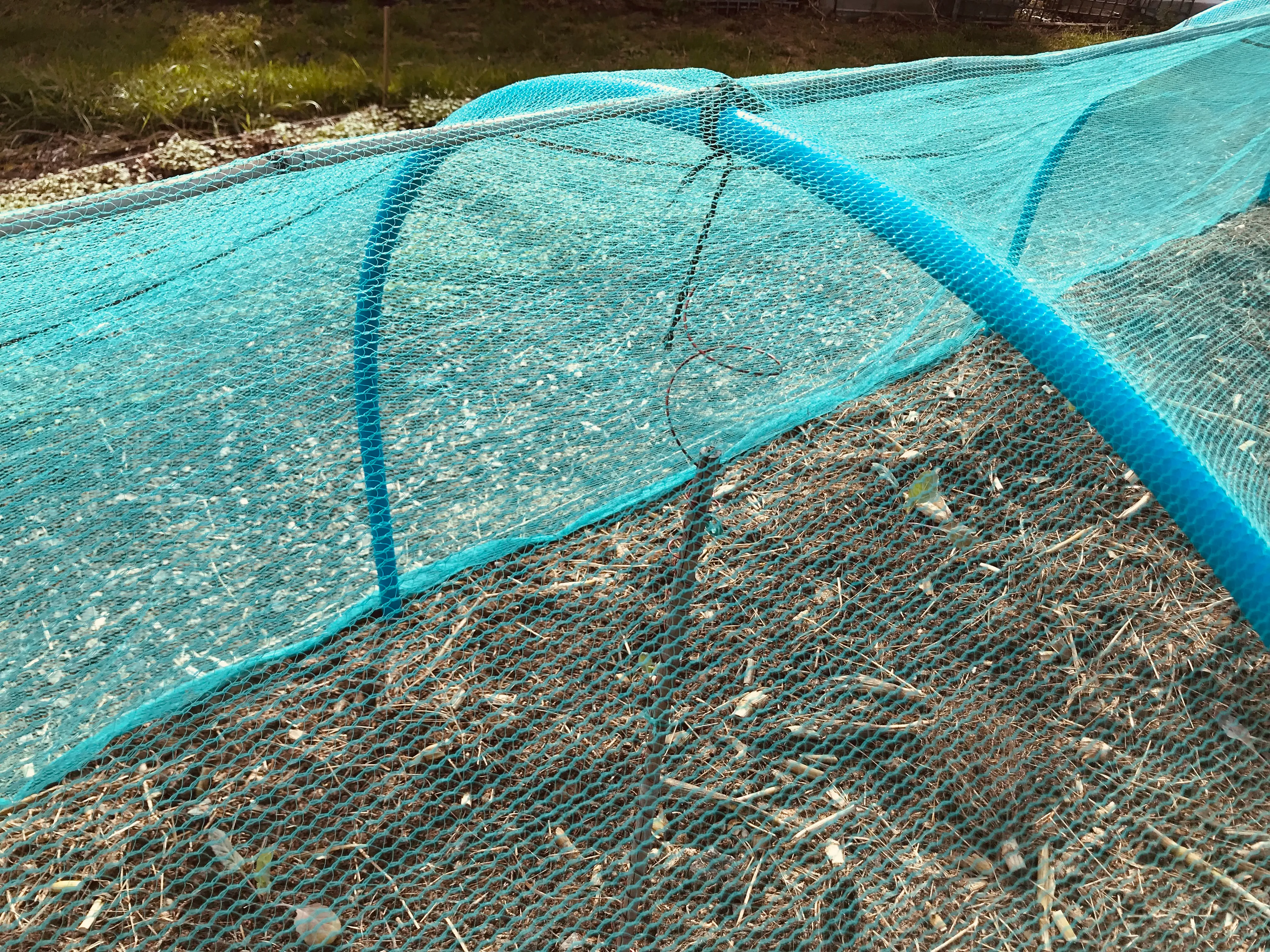
These went out in September, and we’re also trying some copper rods (I might talk about this another time) with them too. It’s a race against time with the slugs until they get big enough, even though they’re well covered – we’ve lost a couple here and there already but they’re doing well at the moment.
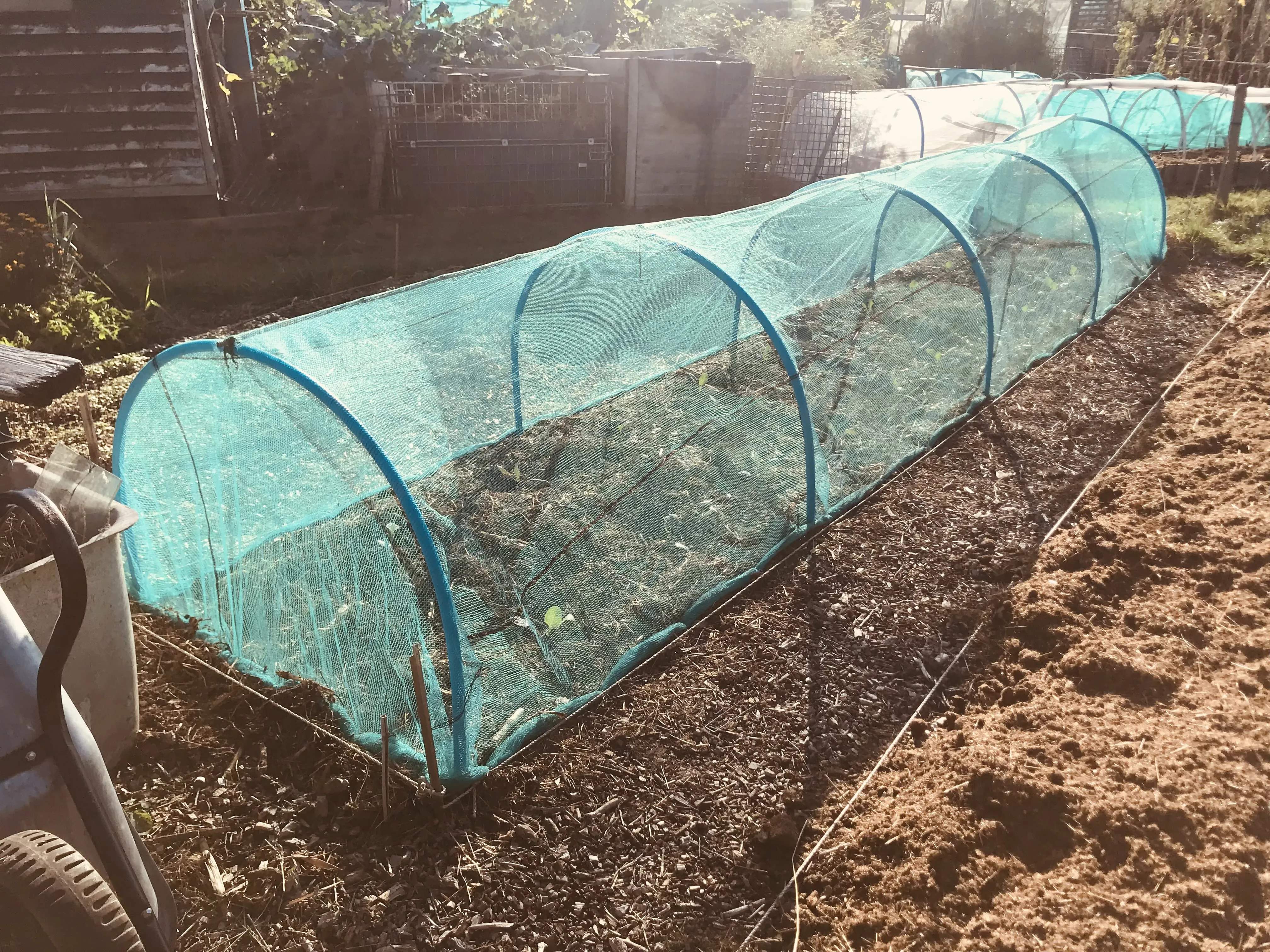
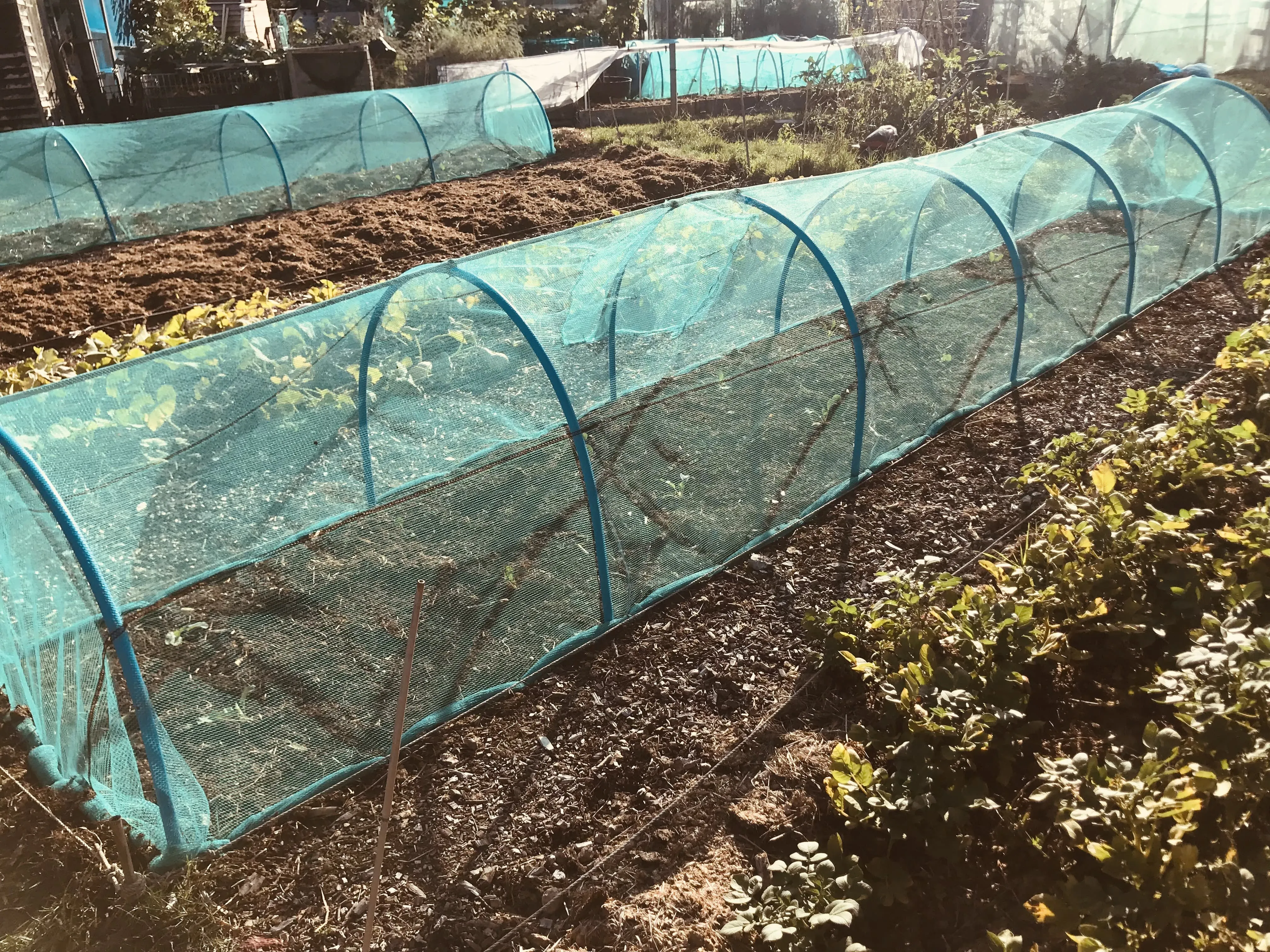
The hoops have taken a few footballs from some local kids playing up against the fence… It’s not nice to come down and see your hoops damaged, footprints on your beds, and pegs all over the place from flying up in the air.
Nevertheless, we’re looking forward to seeing how they do, and we should be picking greens from the cabbages early next year. We’ll see with the cauliflowers as we’ve never had any luck in the past…
Garlic & Onions
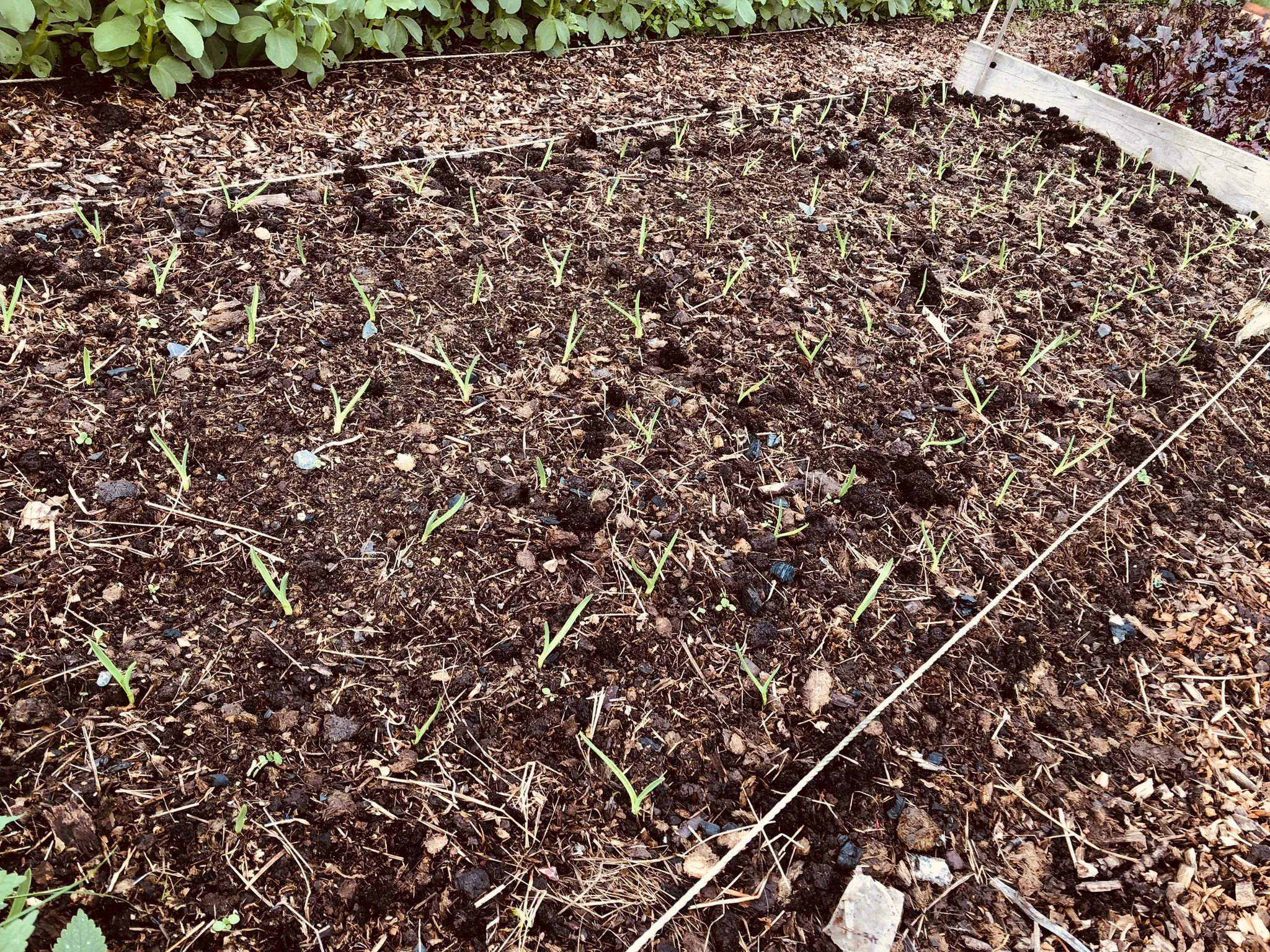
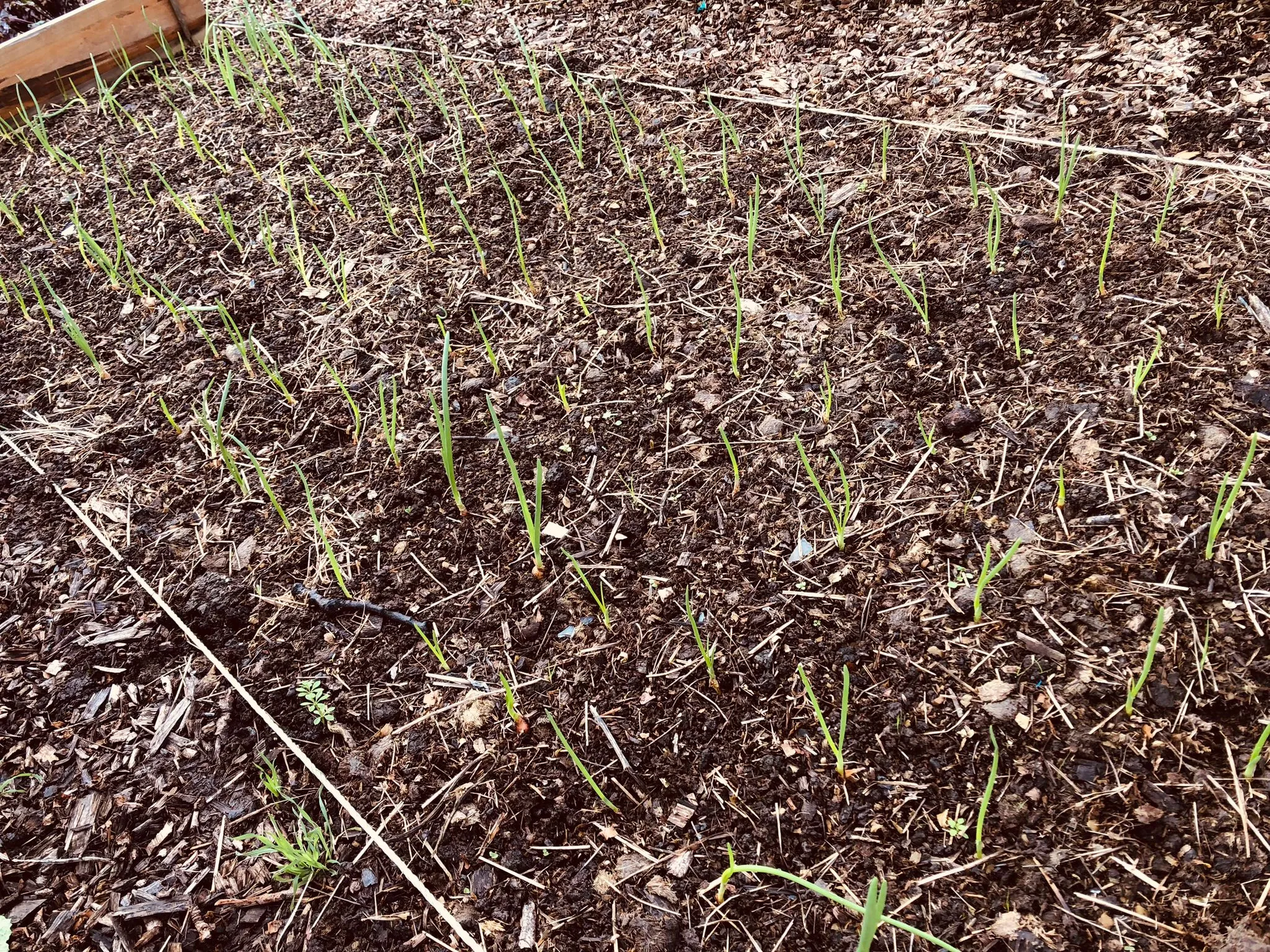
These went in around the middle of October in a few places and are doing well. They are in a rotation now on one of our plots, so they’ve just moved down two beds from last year.
We have put more in the same place as last year. There was so much manure there, and they were so big that we felt we could get away with putting them in the same place again, so we did. Hopefully they’ll be ok.
We’d also put Alfalfa in as a cover crop since June when the last lot of Garlic came out. It was in about three months before we chopped it into the soil. The Garlic here has now poked itself through and also doing well.
There was a marked difference this year in size between the Garlic where we knew there was a lot of manure to where there was the usual amount, so we made sure we put plenty down after pulling out the last of our beetroots.
Cover Crops
I do enjoy planning our cover crops and these started going in as early as September for over wintering. Plenty had gone in over the Summer too but as the vegetables were coming out, these were going in as soon as possible to get them started.
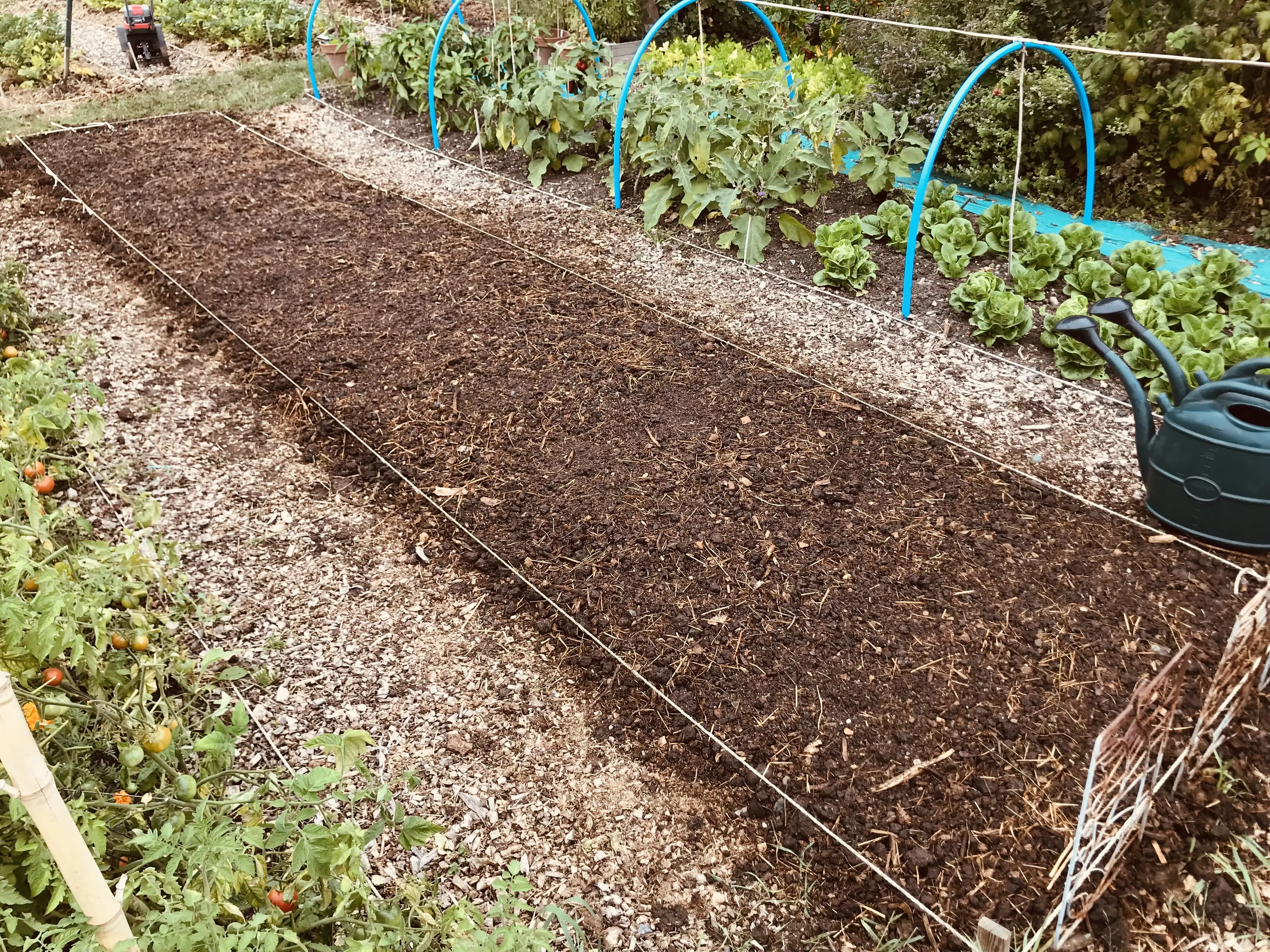
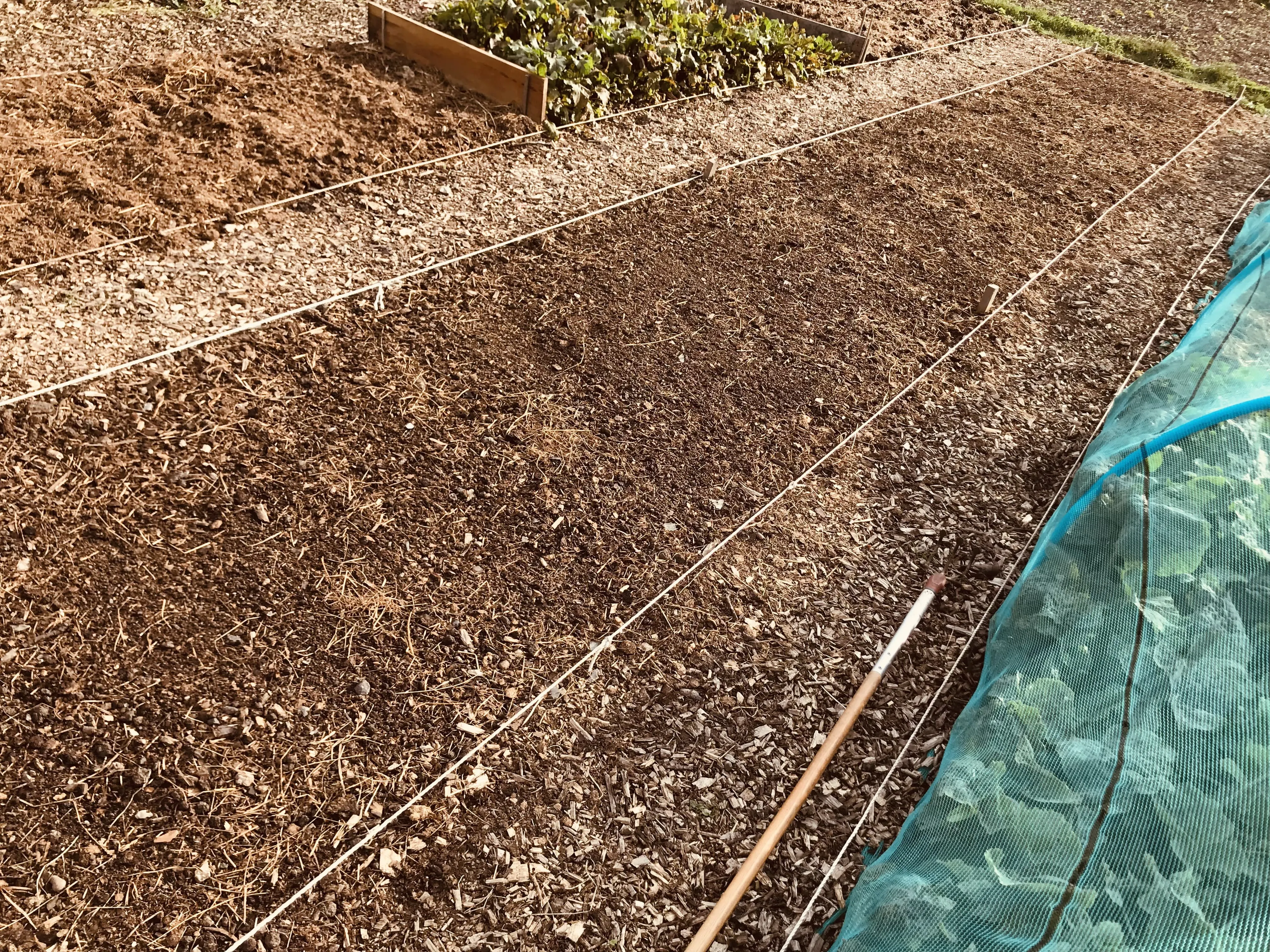
Almost every bed had had manure on before the cover crops too, and we try and treat them as well as we would our “cash crops”. The beds are roughly dug, rotovated and raked level before planting.
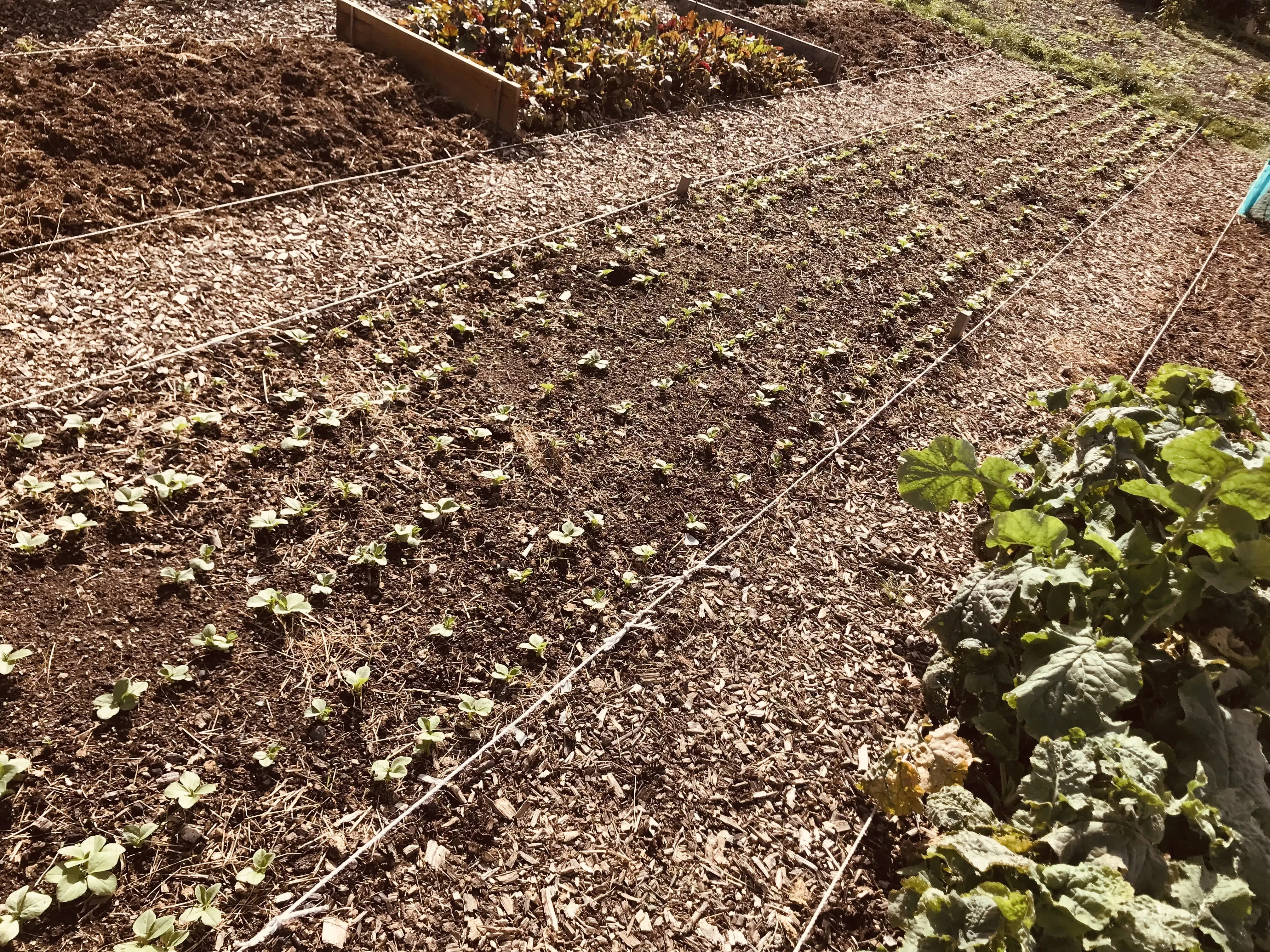
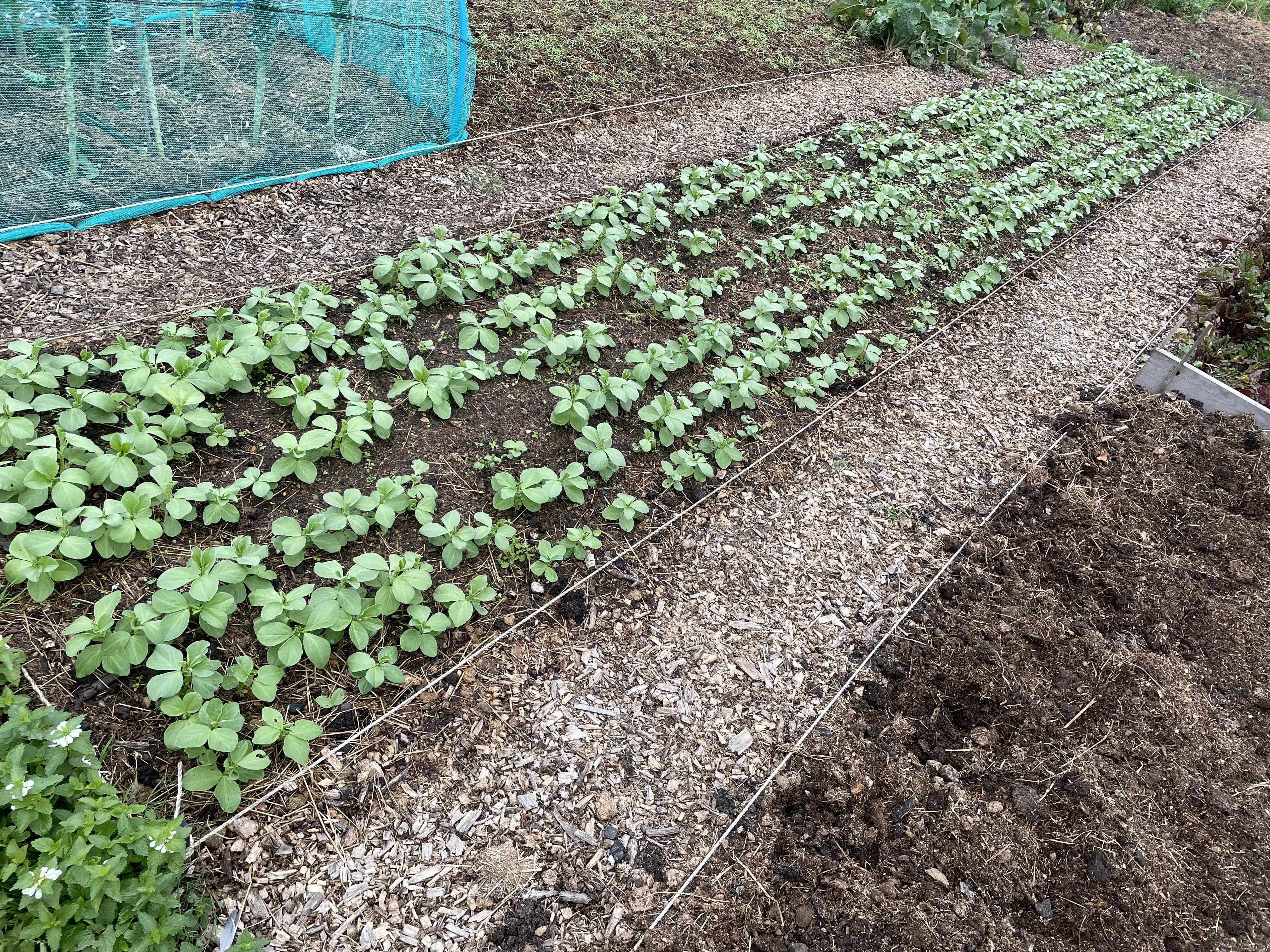
We put in lots of field beans, winter tares, italian ryegrass and mustard at varying times that we fit in with our rotation, especially on our two plots, not the one we’re baby-sitting.
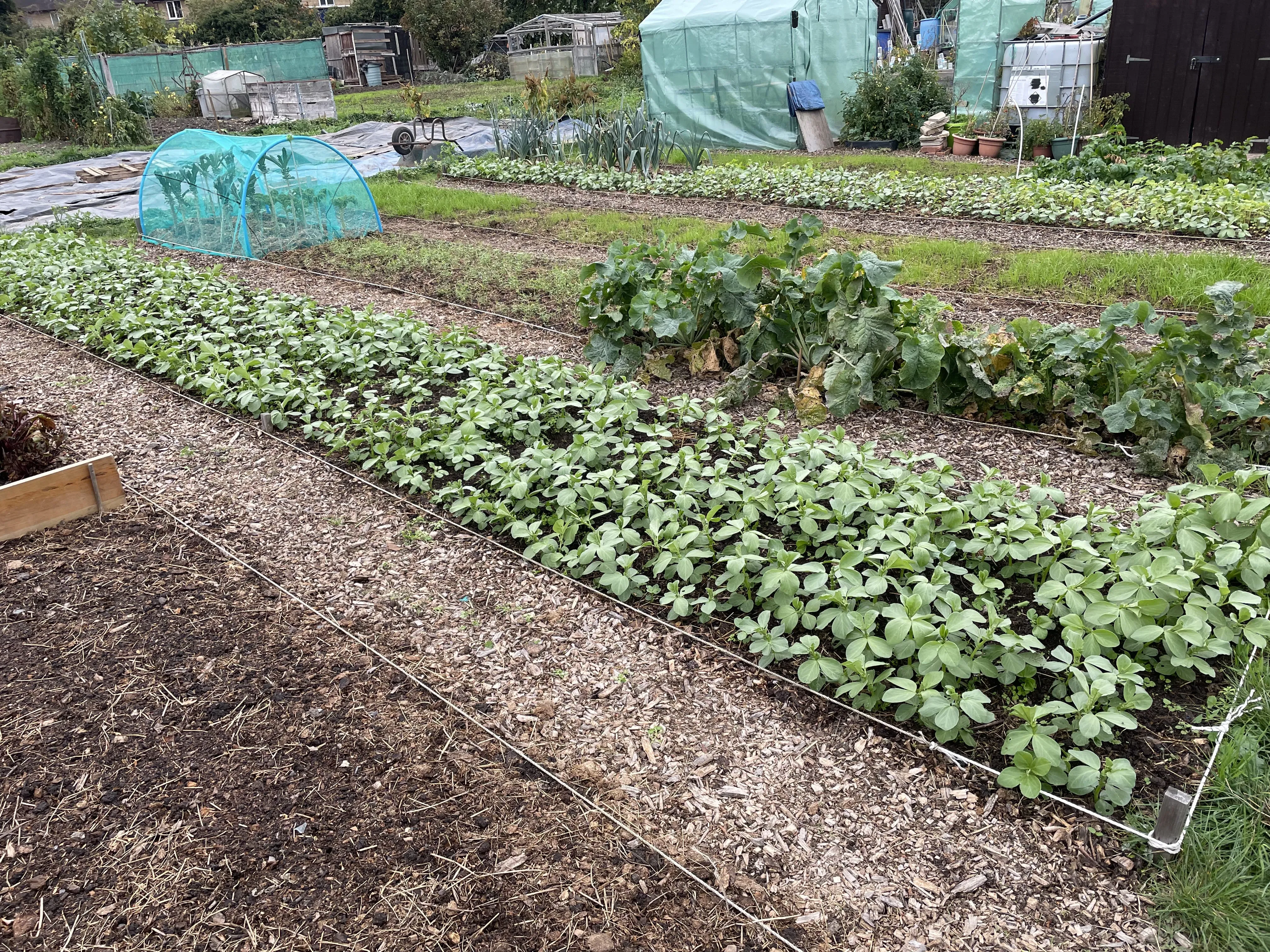
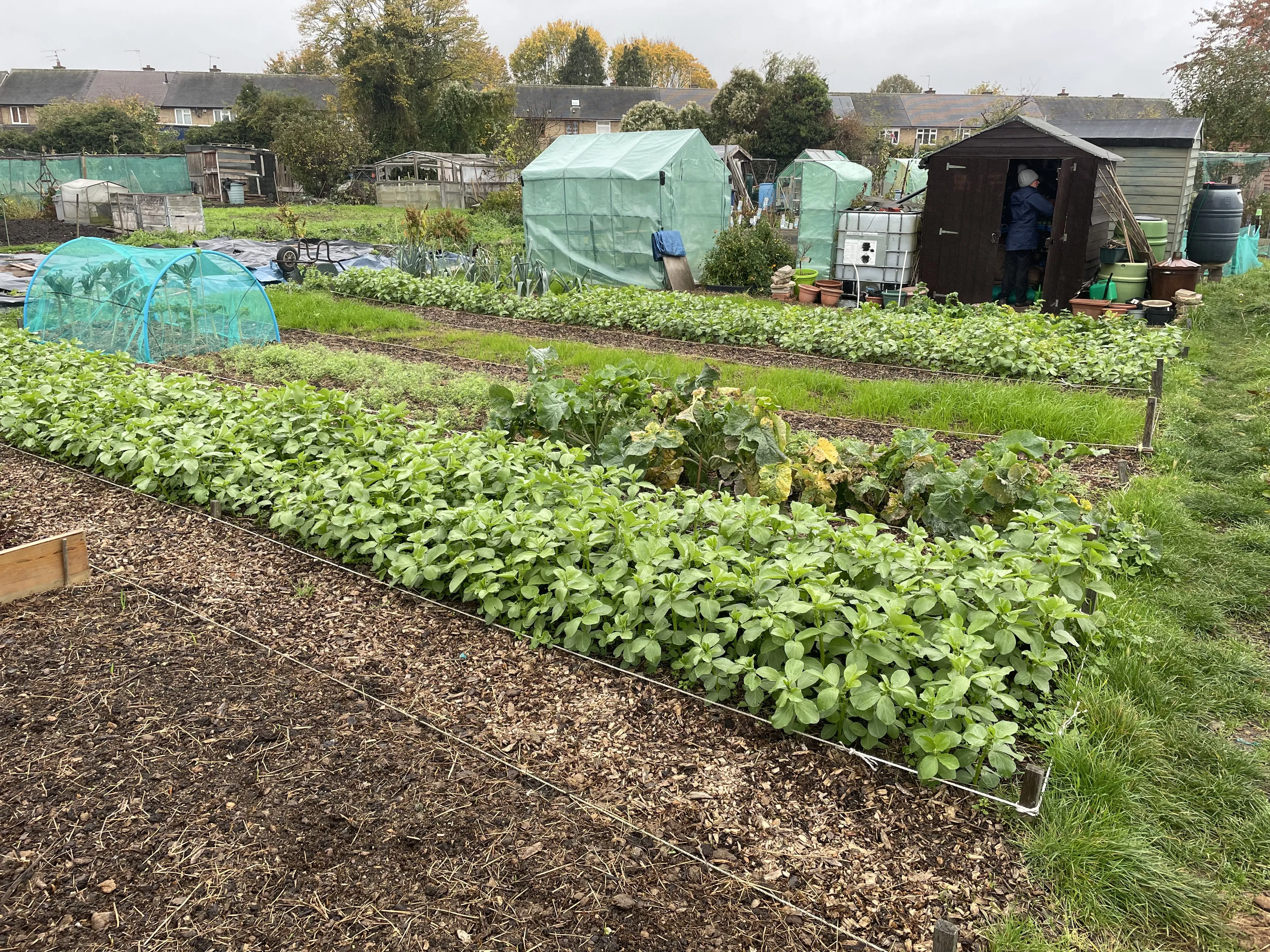
The field beans really took well, and germinated early as it was still quite warm when we planted some of them. Beans can tolerate frost when they’re small but if they’re too big and you get a frost you can lose them. Read on…
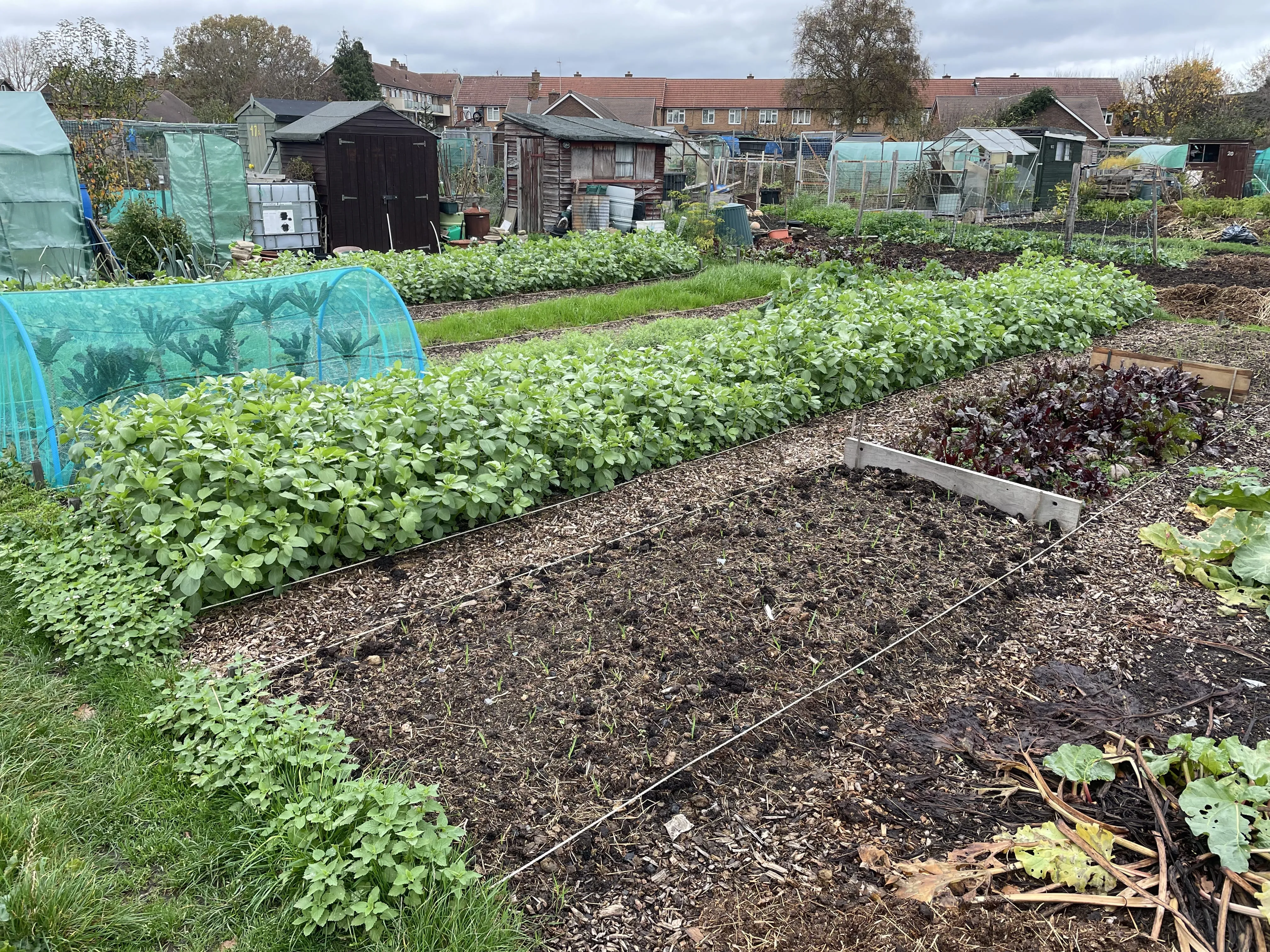
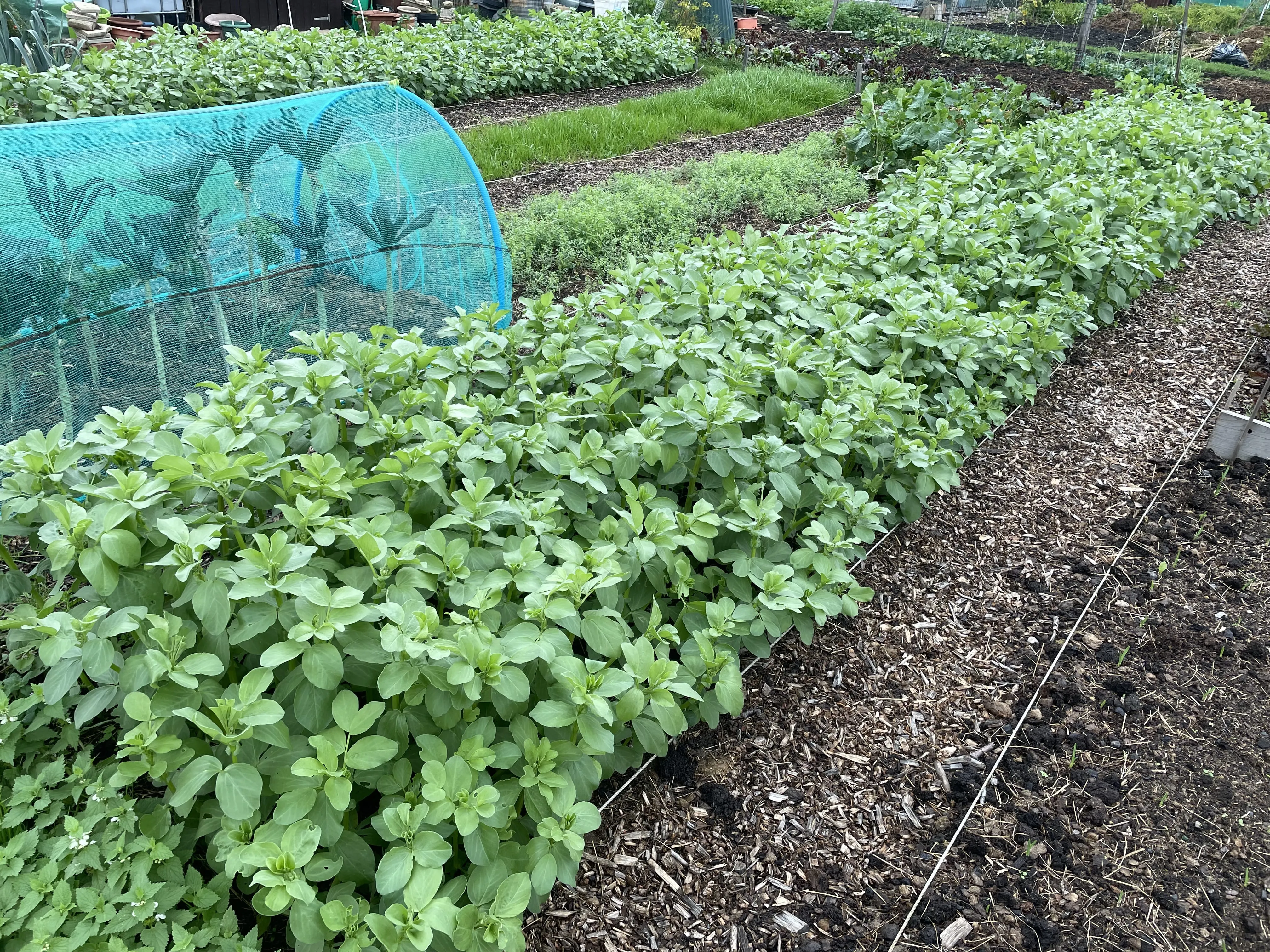
You can see by the photos how well they were doing, and we literally had a 100% germination rate with the field beans but we had the early frost in the middle of November which killed off half of them which turned out to be a real shame.
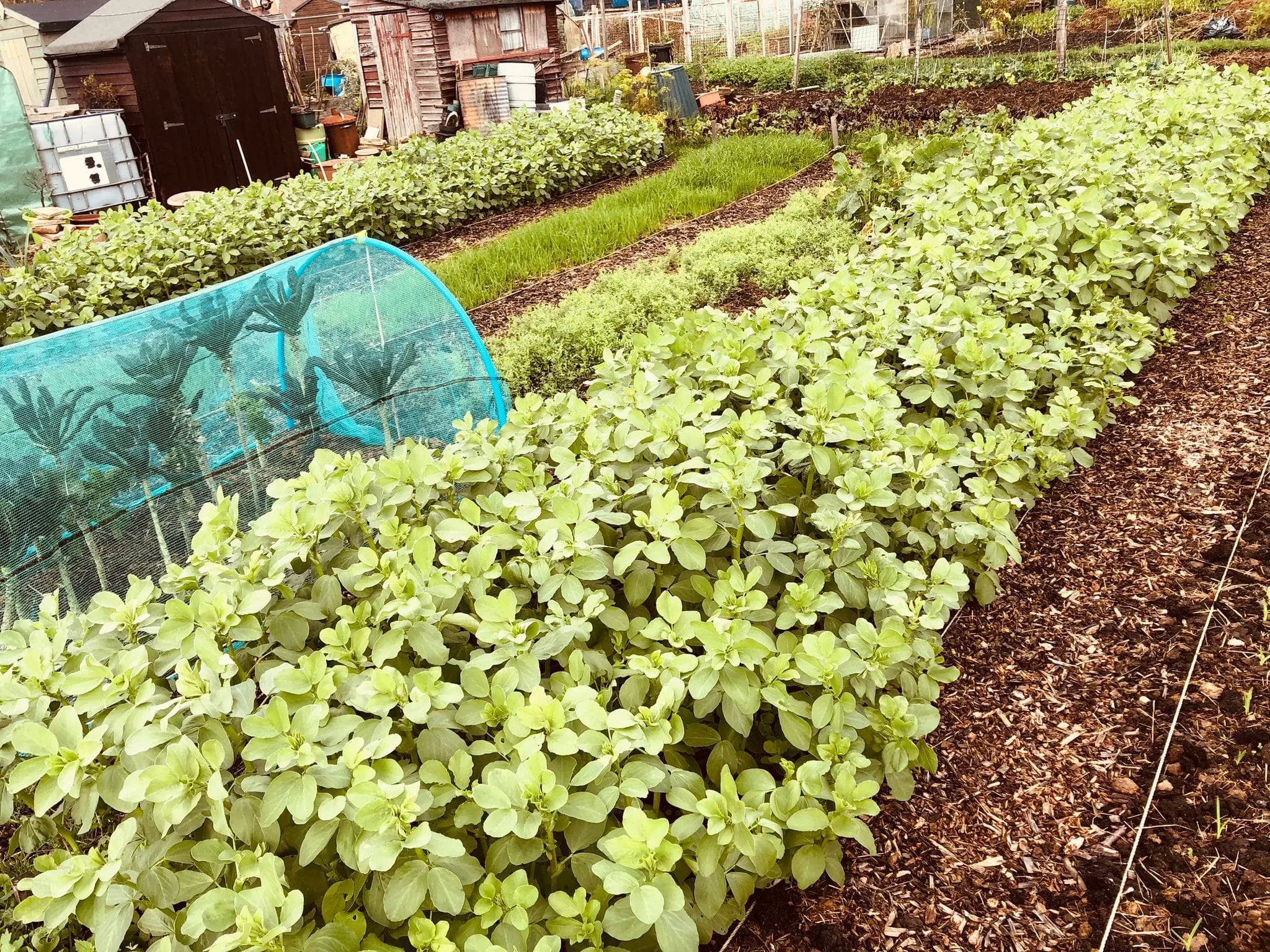
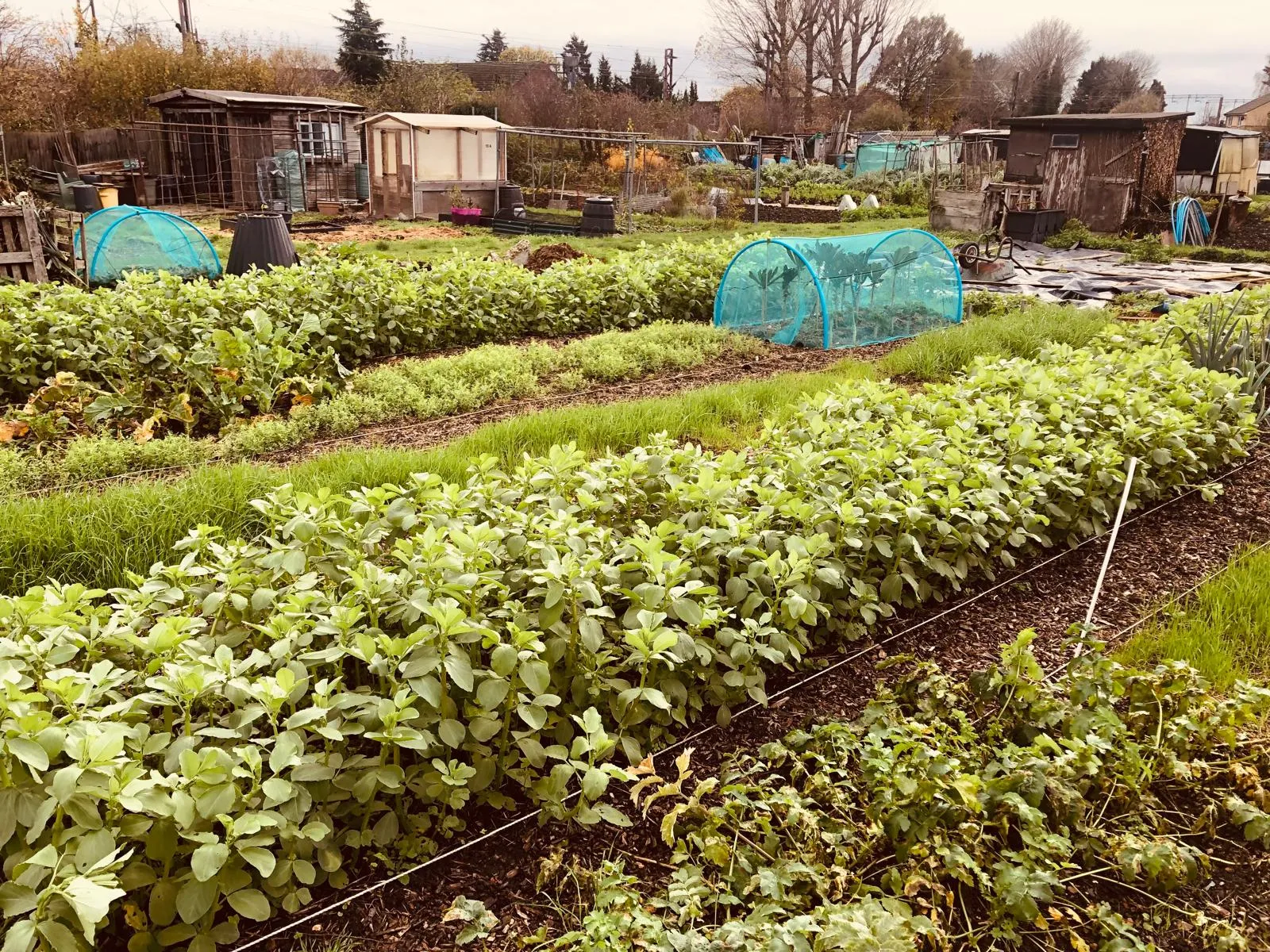
This plot was lush with greenery and in stark contrast to the other plots on the allotment either covered with plastic or barren. We still get people asking why were putting in new lawns over winter, and it’s too much work etc, it’s quite funny and done in good humour.
You can see by the photos below what the frost in the middle of November did to our field beans but growing is full of disappointment and you chalk it up to experience. We were hoping to get maybe five more weeks before a frost, and fully expect most of the cover crops to be killed in the winter and left on top as a mulch anyway (which is their purpose) but this was a bit of a blow, and what feels like hours of work down the drain.
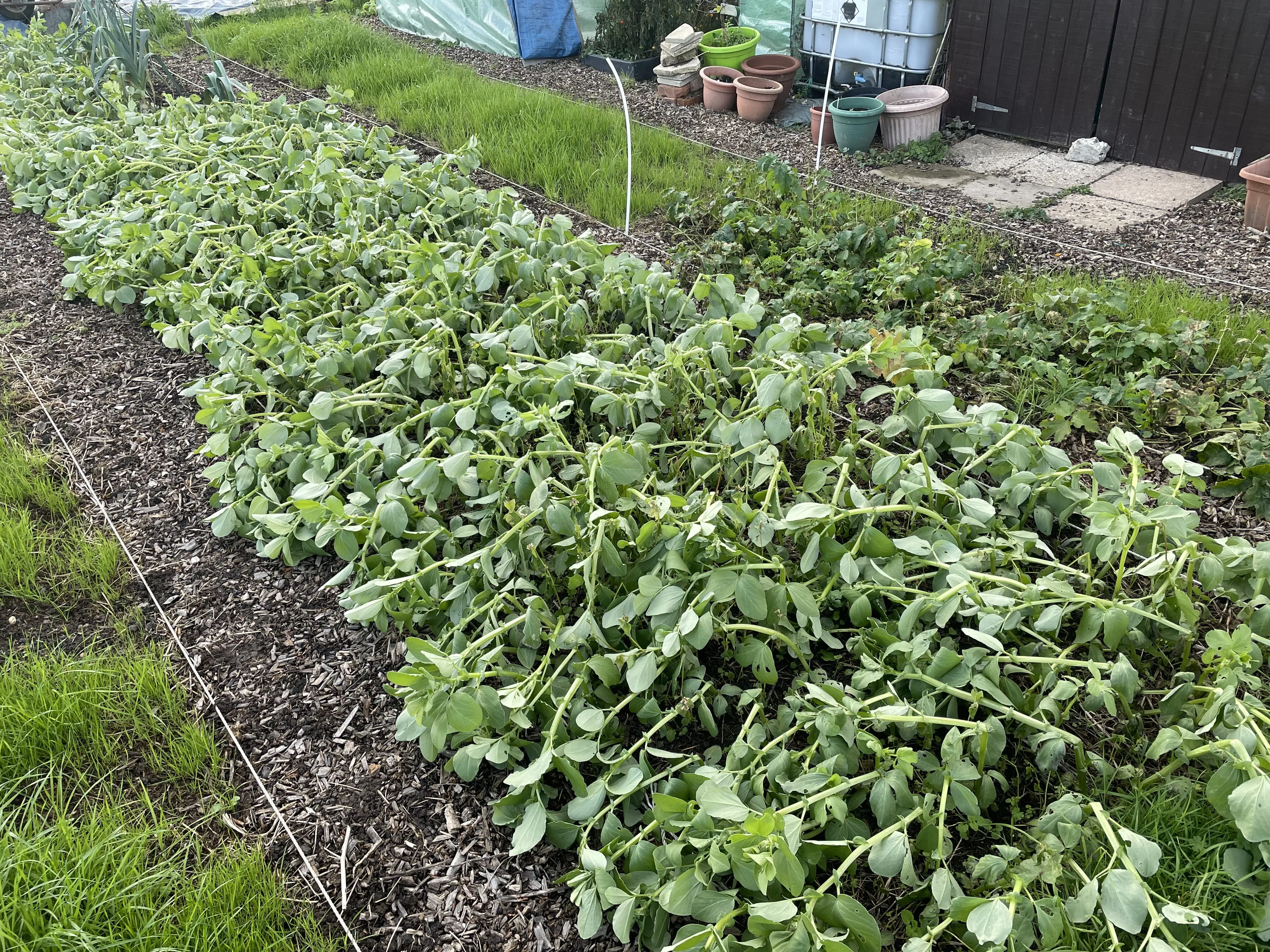
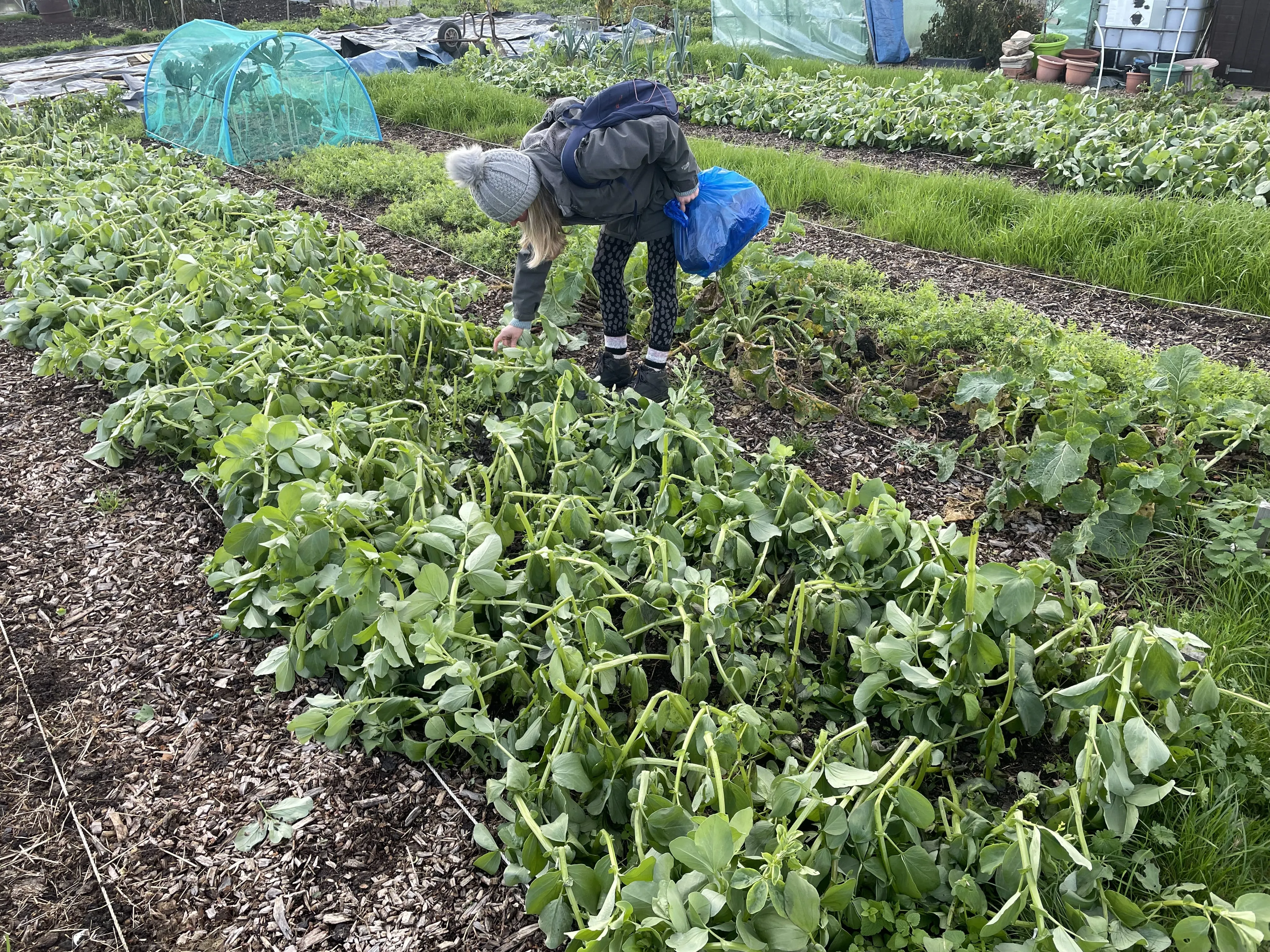
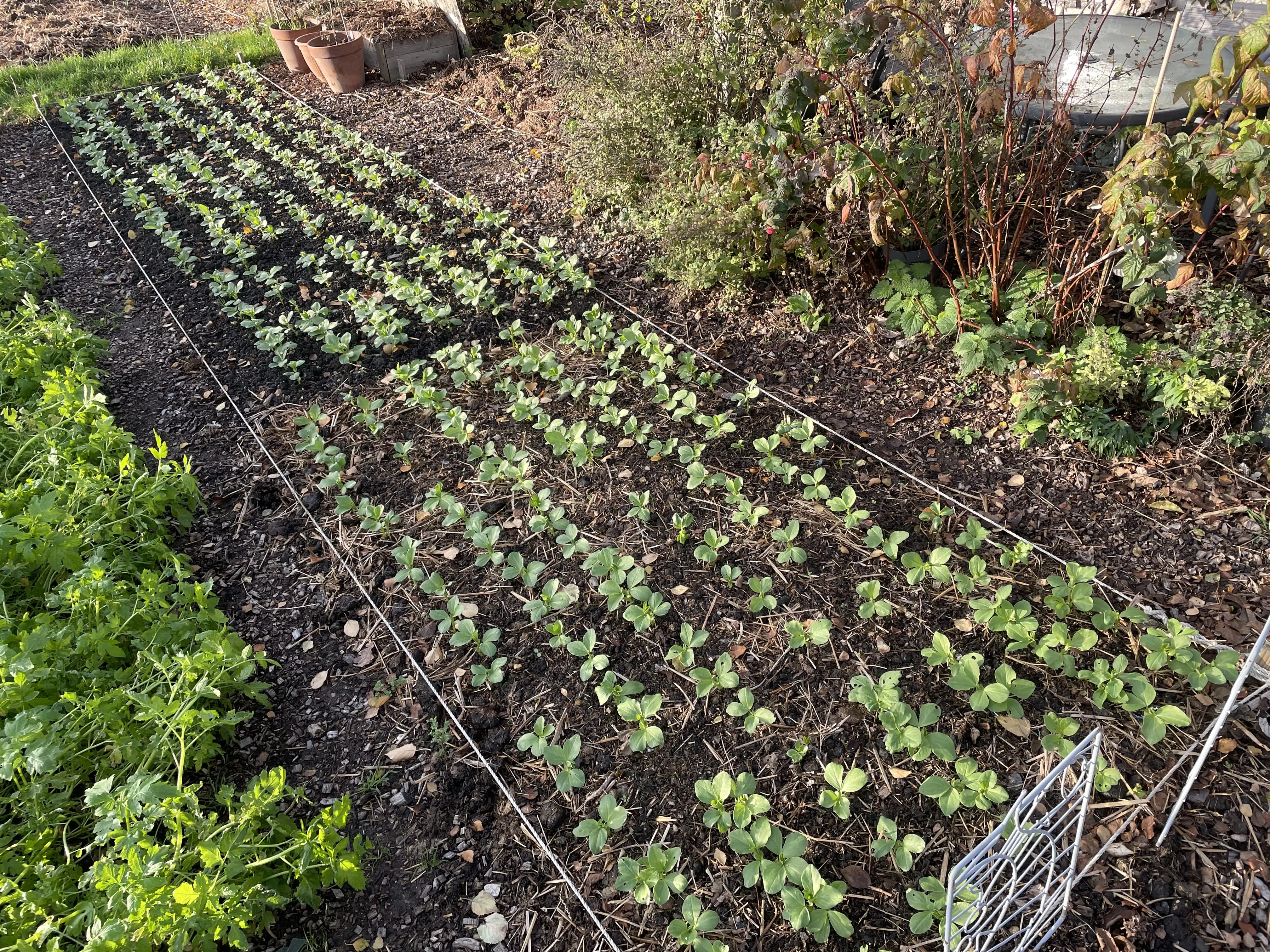
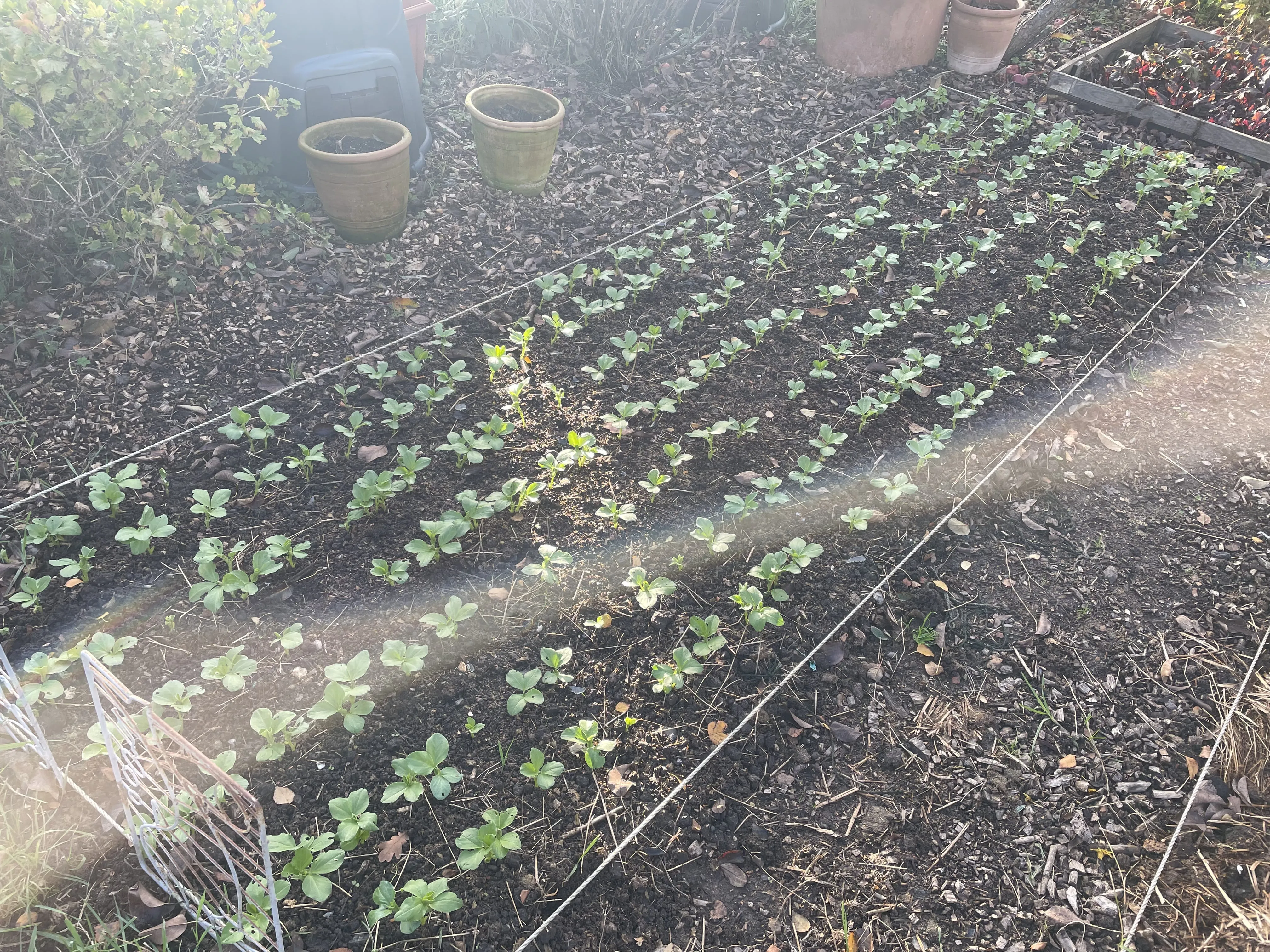
Many of you will know that small beans can avoid a frost, and you can see that the ones we planted later were completely unaffected. Next year we’ll hold off on planting out field beans until probably end of November.
All the grasses are completely fine, and also the winter tares. The mustard looks like it might not have survived either. It had grown to a good size, so it will lie on top as a mulch for the remainder of the winter which is the main point anyway. It will save me digging them in later.
The Year In General
It’s taken five years but we really are into a good routine now on the plots. The way we do things likely won’t change that much. We’ve got a nice rotation going, and if we want to grow something new, it will just go in the right bed depending on what it is.
We’re going to try a few new vegetables next year to replace some that we’ve never have luck with, Spinach in place of Broccoli, Swedes are a funny one that we’ll pass on next year. Also Celery, we have no luck with it all all.
Is It All Worth the Effort
I think this year was slightly better than last year - it’s hard to tell but overall I think we had more food from the plot, especially tomatoes, beetroots and cabbages and there are still vegetables in that need harvesting; parsnips, swedes, kale, leeks but we really noticed not having as many courgettes and squashes after messing up putting them out.
There’s no doubt about it, keeping on top of three plots during the Summer can take away some of the enjoyment and makes it hard to step back, take in all of your work, and appreciate it but you can’t put a price on knowing with more confidence where a big chunk of your food for the year has come from.
People often ask does it save money. The truthful answer is no, especially early on when you’re buying new tools, pots etc, and certain seed aren’t cheap either - the effort required is a big commitment.
At the very dawn of history, the care of the sick was actually superior to what the great majority of mankind receive today when ill.
It’s easy for people to think we’re growing masses of food too. While we do grow a lot on the face of it, plenty goes to family and some to friends and we have to be careful what we give away or we’d end up putting in all the effort and giving away months worth of food. Some vegetables are easy to give away but some take an awful lot of effort and can look more than there is.
We have a really good routine now though, especially with who does what on the plots. The planning for next year is already well underway with cover crops growing and winter vegetables already in but we are looking forward to having a rest from it all over December and some of January (we start sowing indoors in February). It’s not really about “is it worth the effort” to us, it’s more about having a better idea about the food we eat, eating as fresh as we can, and demonstrating, no gimmicks, no shortcuts, how important real food is to your health.
We really hope some of you have enjoyed reading these over the course of the year, and that maybe you’ll try and grow a few more things in the garden if you’ve got one next year.
Allotment Diary Archives
Suggested Reading
- Crop Rotation and Cover Cropping: Soil Resiliency and Health on the Organic Farm
- Natural Hygiene: Man’s Pristine Way of Life
- What Really Makes You Ill? Why Everything You Thought You Knew About Disease Is Wrong